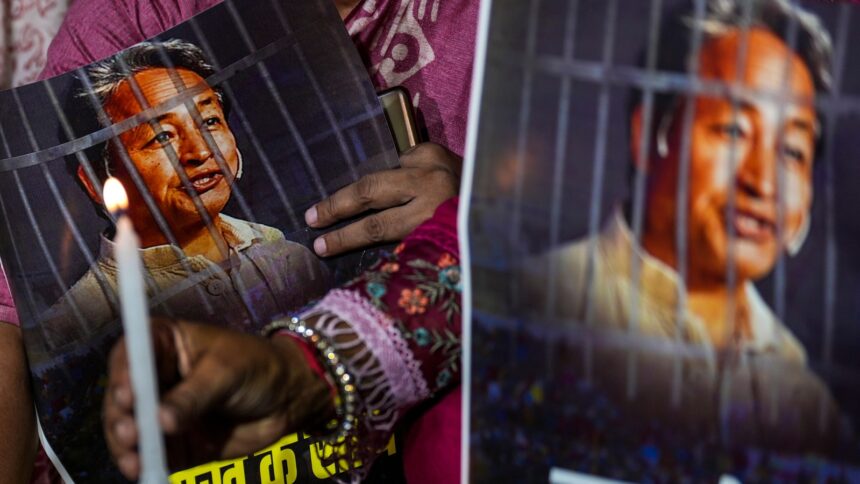
The Home Ministry said on Saturday that the government has decided to cancel the detention of climate activist Sonam Wangchuk in connection with the violence that took place in Leh last September. This development comes months after Wangchuk was arrested and later sent to Jodhpur jail in Rajasthan under the National Security Act (NSA).

Read also: How important is Kharg Island to the Iranian oil network? Inside the ‘crown jewel’ struck by the US as the war escalated
The government said Wangchuk was arrested “to maintain public order” following the violent protests.
“The government remains committed to promoting an environment of peace, stability and mutual trust in Ladakh to facilitate constructive and meaningful dialogue with all stakeholders. In furtherance of this objective, and after due consideration, the government has decided to revoke the detention of Shri Sonam Wangchuk with immediate effect by exercising the powers available under the National Security Act,” the government said in its statement.
The government also said it has collaborated with stakeholders and community leaders in Ladakh to address the “aspirations and concerns of the people of the region”.
Read also: “I spent months bullying, and now I am begging”: Iran regarding the US concession to India to buy Russian oil
“However, the prevailing atmosphere of protests and protests has damaged the peace-loving character of the society and has adversely affected various sections of society, including students, job aspirants, corporates, tour operators, tourists and the general economy,” he added.
The Center had earlier said that Wangchuk tried to incite Generation Z to protests similar to what happened in Nepal and Bangladesh. His wife, Gitanjali J Angmo, had filed a petition in the Supreme Court challenging Wangchuk’s detention under the NSA, describing Wangchuk’s detention as illegal and an arbitrary practice that violated his fundamental rights. She also asserted that Wangchuk condemned the violence on his social media accounts and categorically said that the violence would lead to failure of Ladakh’s ‘tapasya’ and peaceful prosecution for five years.
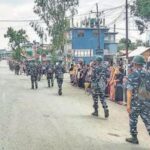
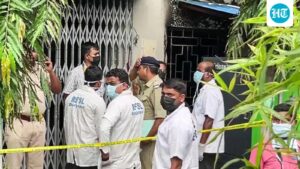
Wangchuk’s arrest came after two days of violent protests demanding statehood and Sixth Schedule for Ladakh, killing four people and injuring 90 others in the Union Territory. The government accused him of inciting violence.