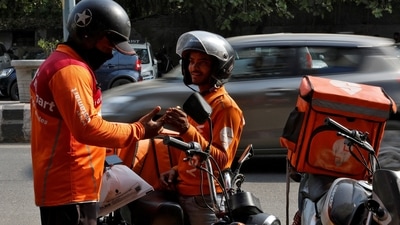
App-based ride hailing services will face disruption on February 7 as gig worker unions representing drivers working for Ola, Uber and Rapido have called for a nationwide strike, calling it an ‘all India breakdown’.
The union highlighted the absence of a government-regulated fare structure for riders working for Ola, Uber, Rapido and Porter. (Reuters)Called a strike Telangana Gig and Platform Workers Union (TGPWU), along with other national labor organizations.
Announcing the strike on Saturday, the TGPWU said in a post on X, “App-based transport workers across India will observe an all-India breakdown on 7 February 26. No minimum fare, no rules. Endless exploitation.”
The union called on the government to “act now”, saying millions of app-based drivers have been pushed into poverty while aggregators benefit.
Why are app-based riders on strike?In a letter to the Union Minister of Road Transport and Highways Nitin Gadkarithe TGPWU highlighted what it called “long-standing and unresolved issues” facing app-based transport workers across India.
More Read

The union said that in the absence of a government-regulated fare structure for riders working for Ola, Uber, Rapido, Porter and other aggregator platforms operating auto, cab and bike-taxis, the companies set these fares unilaterally.
This leads to “severe income insecurity, exploitation and unsustainable working conditions for millions of transport workers”, the union said in the letter.
What are the demands of transport workers?The letter to Union Minister Gadkari referred to the Motor Vehicle Aggregator Directive, 2025, which it says mandates regulatory oversight, fare transparency and driver livelihood protection.
More Read

Hence, the Union demanded implementation of these measures, and asked for immediate notification of minimum base fare by the Central and State Governments for app-based transport services. The TGPWU said these fares must be finalized in consultation with recognized drivers and workers unions, in line with the above guidelines.
The union called for a “strict ban on the use of private (non-commercial) vehicles for commercial passenger and goods transport, or alternatively, compulsory conversion of such vehicles into commercial category vehicles”.