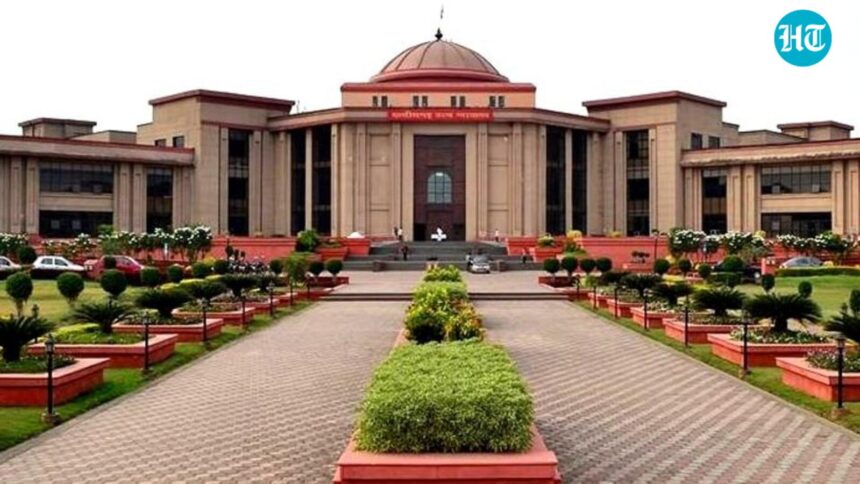
The Chhattisgarh High Court has ruled that individuals do not need prior permission from authorities to organize religious prayer meetings in their homes, provided the law is not violated.

A bench of Justice Naresh Kumar Chandravanshi made this observation while quashing notices issued by the police to two petitioners and directing the authorities not to interfere with their civil rights.
According to the order issued on March 24, the case concerns two relatives from Godna village in Janjgir-Chamba district. The petitioners had been organizing prayer meetings in a hall on the first floor of their residence since 2016.
They stated that though there was no disturbance or illegal activity during these gatherings, the local police had issued notices under Section 94 of the Bharatiya Nagarik Suraksha Sanhita (BNSS) Act, 2023, preventing them from holding such meetings. Notifications dated October 18, 2025, November 22, 2025, and February 1, 2026, were cited in the petition.
Read also: Vishal Dadlani slams Chhattisgarh HC ruling that ‘ejaculation without penetration is not rape’: ‘Rapist Bachao Abhiyan’
The petitioners further stated that the Gram Panchayat in Godna had initially granted a no-objection certificate for the gatherings, but later withdrew it allegedly under pressure. They demanded the cancellation of notices and protection from police interference in holding prayer meetings at their place of residence.
Opposing this petition, Deputy Government Advocate Shobhit Mishra said that criminal cases had been registered against the petitioners in the past and they had been jailed. He also confirmed that they did not obtain prior permission from the relevant authorities, which prompted the police to take action.
However, the Supreme Court held that there is no legal requirement to obtain prior permission to conduct prayer meetings in a private residence if the law is not violated.
“The petitioners are registered owners of the land where they have been organizing prayer meetings since 2016. There is no law prohibiting anyone from holding prayer meetings in his residence,” the court noted.
She added that the authorities are free to act under relevant laws in case of noise pollution or any law and order issue, but cannot interfere otherwise.
“The respondents/police authorities are directed not to interfere with the civil rights of the petitioners and not to harass them under the guise of investigation,” the court said while quashing the notices.