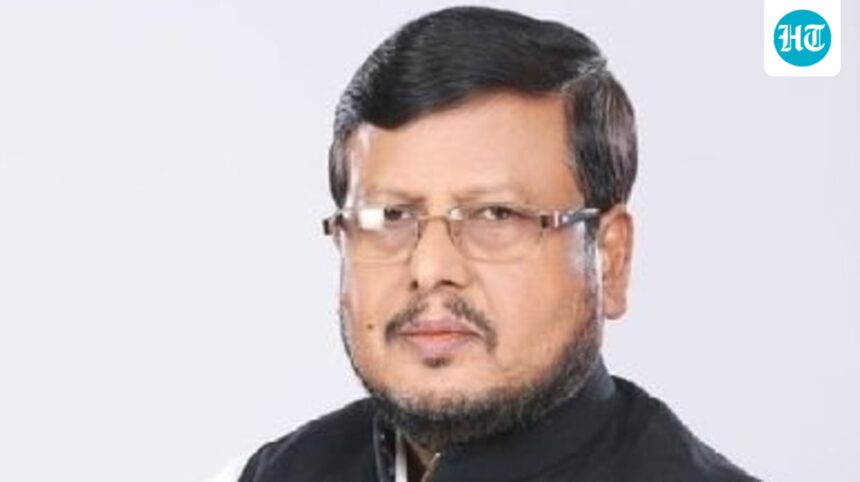
One key constituency to watch out for in Assam is Persingh Garua, where the Congress Party has nominated Wajid Ali Chaudhry, a prominent leader who has built a long-standing political base in the region.

A businessman by background, he has represented the Salmara South constituency across multiple terms and remains closely associated with local government issues, especially those affecting the minority and riparian areas (char) of lower Assam.
Electorally, his career witnessed setbacks and returns to the same seat. He lost the Salmara South seat in 2011 to Abdul Rehman Ajmal of the All India United Democratic Front, but made a comeback in the 2016 assembly elections, defeating Ajmal by 25,954 votes to regain the constituency. The continued contestation of the same seat, coupled with direct electoral battles against powerful regional opponents, has made South Salmara a key and closely watched constituency in Assam politics.
5 essential facts about Wajid Ali Chaudhry
- Chaudhary began his political journey in the mid-1990s with the Congress Party, entering the Assam Legislative Assembly from South Salmara in 1996.
- During his tenure in the Tarun Gogoi-led government, he held independent charge as minister, overseeing portfolios like minority affairs and char development, which are critical in the flood-prone areas of lower Assam.
- Wajid Ali Chaudhry has had a long and continuous legislative career as a representative of the Salmara South constituency in Assam, where he served four terms as a Member of the Legislative Assembly. He was first elected in 1996 and served two consecutive terms until 2006, before returning again from 2009 to 2011. After a short hiatus, he returned again in 2016 and has remained in office ever since.
- He made a strong comeback in 2016, winning back Salmara South by defeating Abdul Rahman Ajmal by 25,954 votes, and re-establishing his position as the main Congress leader in the constituency.
- Taken together, his tenure amounts to over two decades (nearly 22 years) in the Assembly, reflecting electoral resilience and continued relevance in one of Assam’s competitive constituencies.