On Tuesday, the Indian Consulate General in Houston and Seattle extended greetings to Baisakhi.

In a post on X, the Consulate in Houston said, “Greetings on the auspicious occasions of Baisakhi, Vishu, Vishu, Bhog Bihu, Puella Boishak, Mechadi, Vaishakhadi and Puthandu. The Consulate General of India in Houston extends its warm wishes for happiness, peace, good health and prosperity to all. May these vibrant festivals bring renewed hope, harmony and joy to every home.”
The French Embassy in India noted that these celebrations reflect the rich cultural diversity of India.
In a post on
Meanwhile, President Draupadi Murmu extended his heartfelt greetings and best wishes to Indians on the eve of Baisakhi, Vishu, Vishuv, Bohag Bihu, Poila Boishak, Mechadi, Vaishakhadi and Puthandu, which are celebrated on April 14 and 15.
“On the auspicious occasion of Baisakhi, Vishu, Vishu, Buhag Bihu, Poila Boishak, Mechadi, Vaishakhadi and Puthandu, I extend my heartfelt greetings and best wishes to all Indians living in India and abroad,” President Murmu said in her message, according to a statement issued by the President’s Secretariat.
“These festivals are celebrated in various forms across the country on the occasion of the harvest season. Through these festivals, we express our gratitude to Mother Earth and the farmers of Annadatta. Our country’s rich cultural heritage, agricultural traditions and unity are also expressed by celebrating these festivals,” the statement said.
“I hope that these festivals bring happiness and prosperity to everyone’s lives, and inspire us to make significant contributions to the development of our nation and society.”
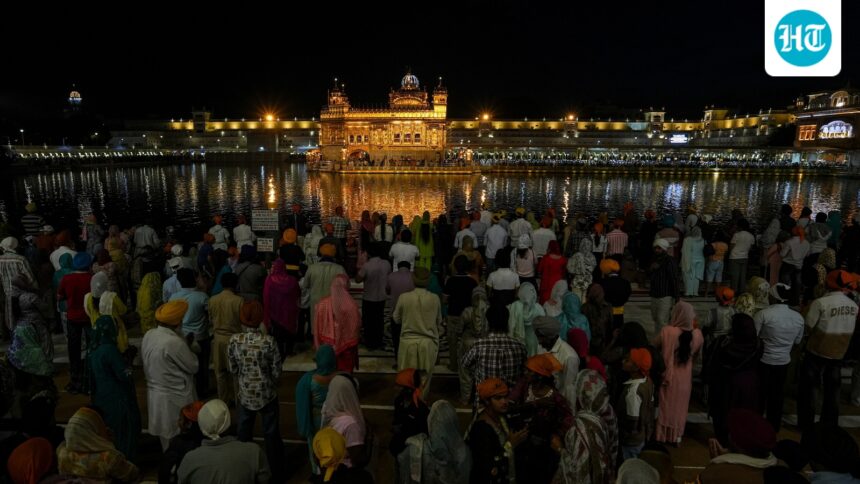
Baisakhi, also known as Vaisakhi, marks the beginning of the Punjabi and Sikh New Year and is celebrated mainly in northern India, especially in Punjab. It also indicates the beginning of the harvest season.
This day marks the anniversary of the foundation of the Khalsa Panth by Guru Gobind Singh in 1699. On this day, Guru Gobind Singh abolished the distinction between upper and lower caste communities.
The festival is widely celebrated with traditional music, dance and community gatherings, where devotees visit the gurudwara to offer prayers and express gratitude for the abundant harvest.