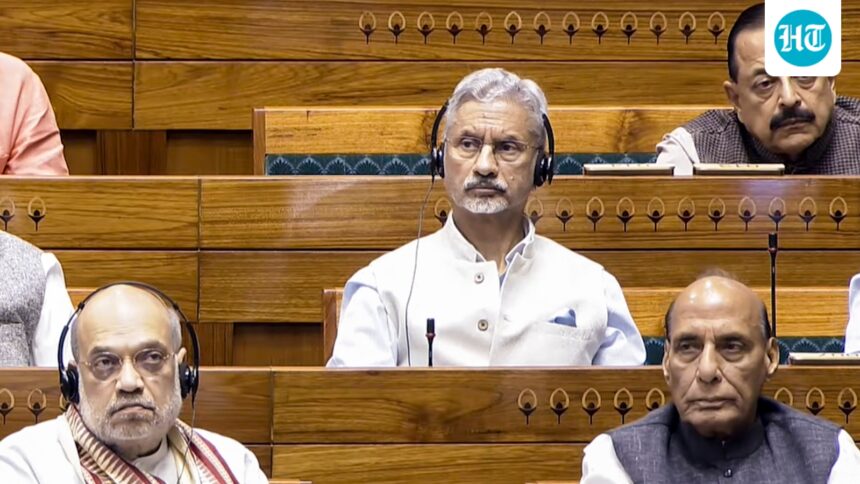
NEW DELHI: External Affairs Minister S Jaishankar reminded lawmakers at an all-party meeting on Wednesday that unlike Pakistan, India is not involved in ‘dalali’ (mediation) as he downplayed Islamabad’s role as a negotiator in the ongoing conflict between the US and Iran, lawmakers present at the meeting said.

They added that Jaishankar also told lawmakers that Prime Minister Narendra Modi had asked President Donald Trump to “end the war as soon as possible” as it is hurting the global economy.
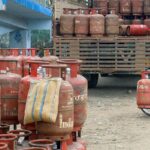
During an all-party meeting on the West Asia crisis, the government tried to reassure cross-party lawmakers that India has sufficient fuel stocks and five more tankers are expected to arrive in the country in the coming days. The government also denied its silence about the killing of Ayatollah Khamenei, and stressed that New Delhi enjoys a good relationship with Tehran.
In the all-party meeting chaired by Defense Minister Rajnath Singh, questions were raised about the role of Pakistan and Field Marshal Asim Munir as the main negotiator between Iran and the United States. However, Jaishankar responded strongly to Pakistan, saying, “India does not practice dali like Pakistan.”
He also added that Pakistan has been trying to play the role of negotiator since 1981, according to the lawmakers.
The Foreign Affairs Minister, who spoke most often at the meeting, also told lawmakers that the prime minister asked Trump to end the war as soon as possible during their phone conversation on Tuesday.
In the first conversation between the two leaders since the start of the war on Iran, Modi also supported efforts to restore peace in West Asia and stressed keeping the Strait of Hormuz open and safe for the international community.
As many as eight ministers attended the meeting, including Singh, Jaishankar, Home Minister Amit Shah, Finance Minister Nirmala Sitharaman, Health Minister JP Nadda, Parliamentary Affairs Minister Kiren Rijiju, Petroleum Minister Hardeep Singh and Fisheries Minister Rajiv Ranjan Singh.
Later, Rijiju told the media: “We listened in detail to all the suggestions made by the opposition, and all the queries and all the confusion – whatever there was – were clearly explained by the government. It is important to note that at the end of the meeting, the opposition parties thanked the government for calling this all-party meeting. They also emphasized that in such a difficult and difficult situation, we will all have to stand together.”
Congress Mukul Wasnik, Communist Party of India (Marxist) leader John Prithas, NCP (Sharadchandra Pawar) Supriya Sule and All India Majlis-e-Ittehadul Muslimeen leader Asaduddin Owaisi asked a number of questions. Dharmendra Yadav of the Samajwadi Party, Owaisi and Sanjay Singh of the Aam Aadmi Party asked the government about Pakistan’s role, according to the lawmakers.
Owaisi sought to recognize India’s energy independence. He said: “The United States said earlier, do not buy oil from Russia. We stopped buying Russian oil. Then it said, you can buy Russian oil, and we resumed buying Russian oil.”
Owaisi also proposed establishing an Asian security axis between India, Japan, China and South Korea. Jaishankar said that a total of 18 Indian ships or ships operated by Indian crew are stuck in the Strait of Hormuz, according to the representatives.
The opposition suggested that a delegation of representatives go to the Iranian embassy. The lawmakers said some leaders, including Owaisi and Dharmendra Yadav, had questioned the Prime Minister’s trip to Israel just before the war began and demanded a condolence proposal for the death of 1,500 people in Lebanon, after Foreign Minister Vikram Masri made the presentation on the current situation.
Opposition leaders, including Owaisi and Pritas, questioned the delay in offering condolences for Khamenei’s death; Jaishankar responded by saying that the Iranian embassy opened its gate after five days. The opposition also questioned India’s over-reliance on Qatar for gas supplies and said India, a member of the Quad and BRICS, should have played a bigger role than Pakistan.
When he accused Prithas of using silence as a governance tool, Jaishankar said: “We were never silent. We were talking to everyone, commenting, posting, responding.”
Shah intervened twice to explain the current situation on LPG and how to boost supplies. The government stressed that it is difficult to predict what will happen in the future in terms of the war and its impact.