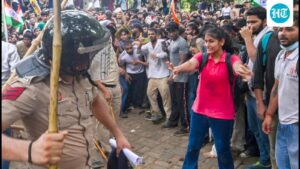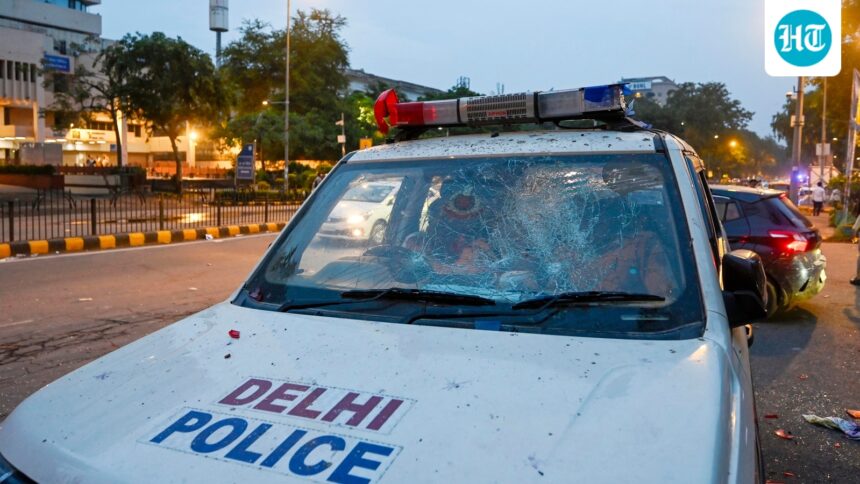
Chaos erupted in central Delhi when ‘Cockroach Janta Party’ protesters clashed with police during a planned march to Parliament on Monday.

Chaos, clashes, confusion and screams echoed through the streets of central Delhi on Monday, as thousands turned out to join a protest march planned by the Cockroach Janta Party (CJP) to Parliament on Monday, July 20, as the monsoon session got underway after Prime Minister Narendra Modi said facts and logic leave no room for “disorder”.
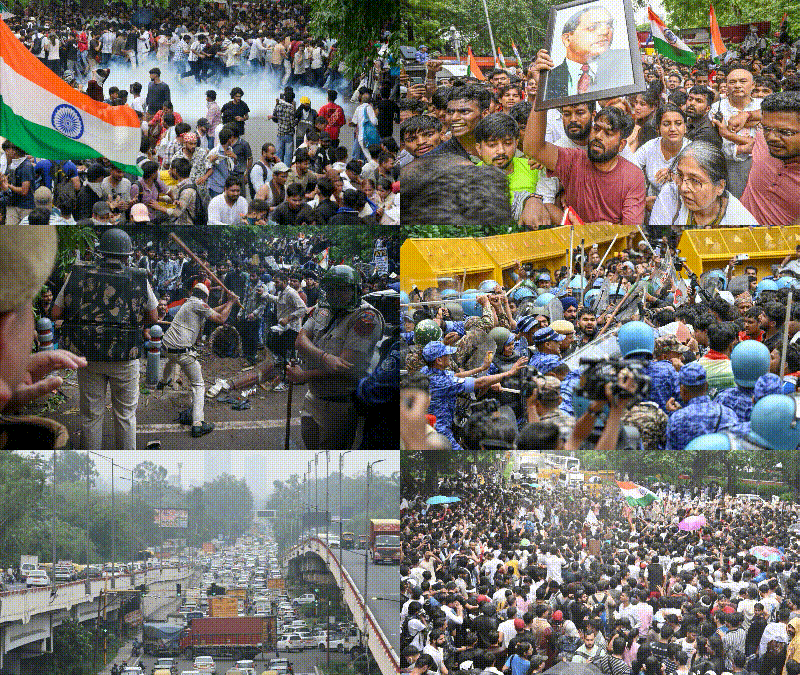
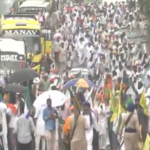
What started as a planned march to Parliament by Abhijit Debaki’s CJP party, evolved into a massive mobilization on Monday, with central Delhi turning into a sprawling protest zone. The protesters spread out from Jantar Mantar to Parliament, Raisina Road, Janpath, Connaught Place and India Gate where repeated clashes broke out between protesters and police trying to reach Sansad. Track updates on the CJP’s Parliament rally on July 21 here
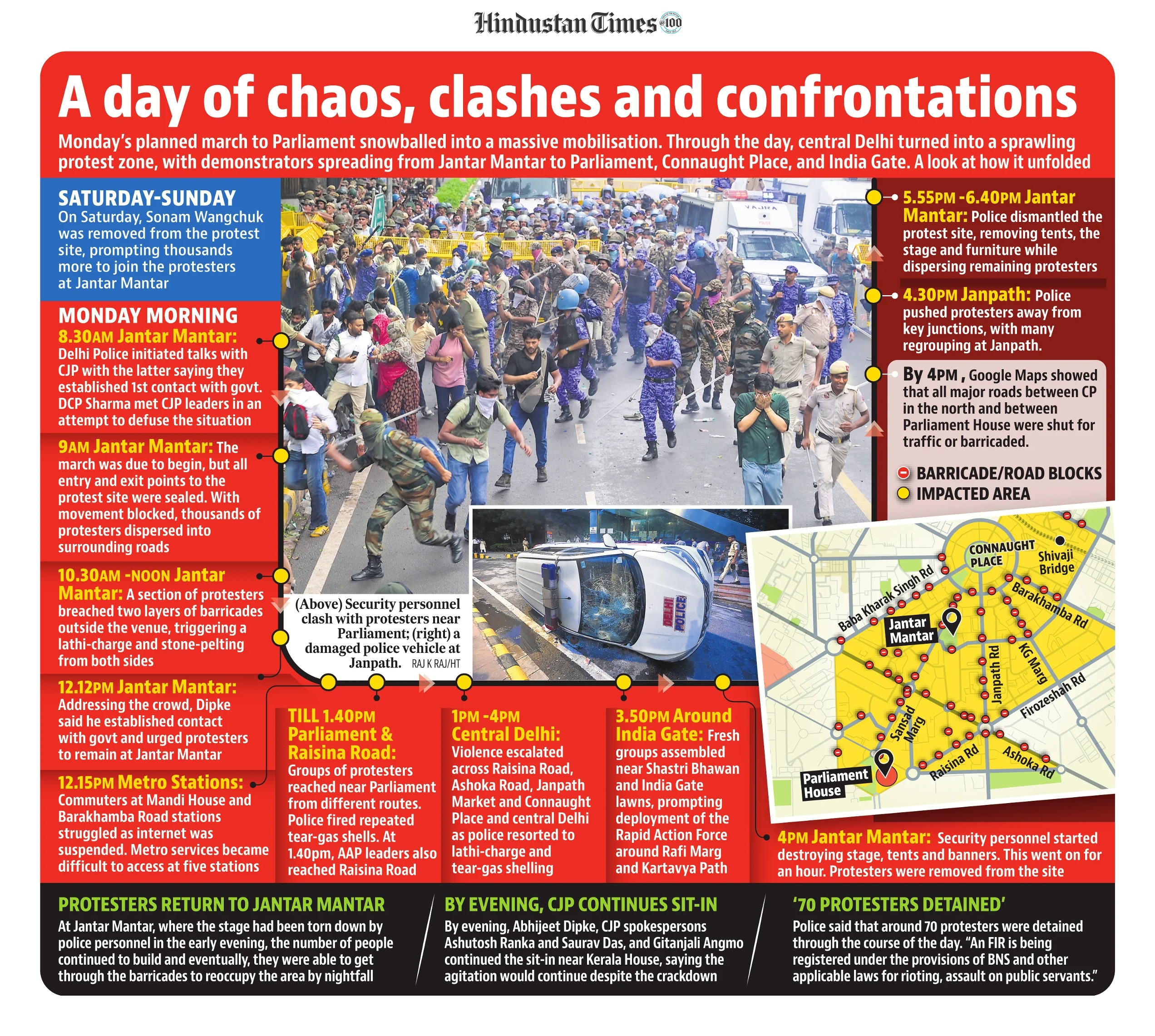
Here’s how the day unfolded
Before Monday
Saturday-Sunday: Sonam Wangchuk, a climate activist who has been on hunger strike since June 28 at the CJP Jantar Mantar protest, was removed from the protest site, prompting thousands more to join protesters at Jantar Mantar.
Monday morning: 8.30 am | Jantar Mantar
Delhi Police has started talks with CJP. The platform said that it had made its first contact with the government. Delhi Police Deputy Commissioner DCP (New Delhi) Sachin Sharma met CJP leaders in a bid to defuse the situation.
9 AM | Jantar Mantar
The march to Parliament was scheduled to begin, but all entry and exit points to the protest site were closed. With movement banned, thousands of demonstrators poured into the surrounding roads.
10.30 AM – Noon | Jantar Mantar
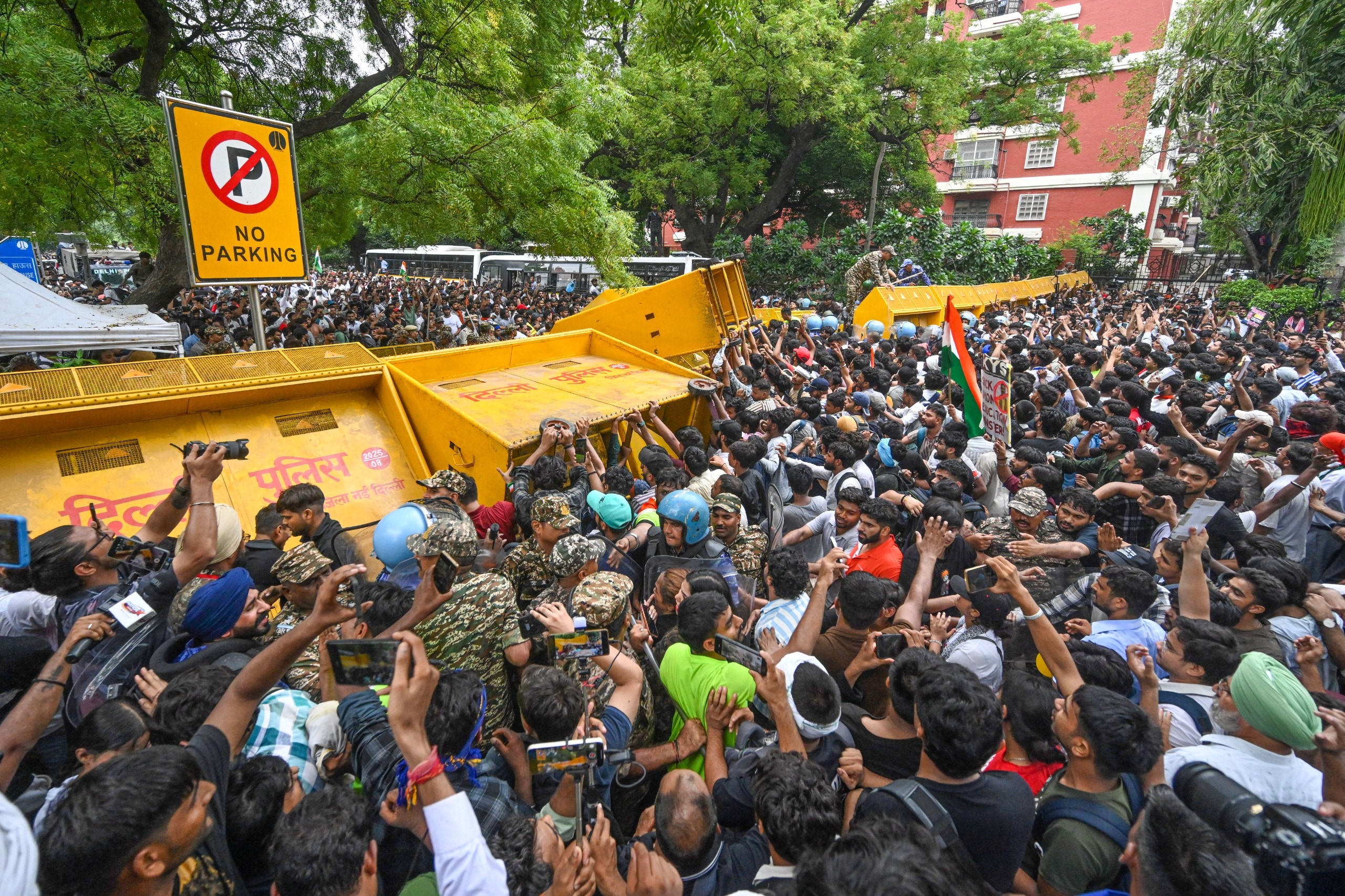
A section of the demonstrators broke through two layers of barricades outside the venue, leading to gunfire and stone-throwing from both sides.
12.12 pm | Jantar Mantar
Addressing the rally, CJP’s Abhijit Debke said the platform had established contacts with the government and urged the protesters to remain at Jantar Mantar.
12.15 pm | Metro stations
Commuters at Mandi House and Barakhamba Road stations faced difficulties due to suspension of internet services. Access to the metro became difficult at five stations.
Until 1.40 pm | Parliament and Raisina Road
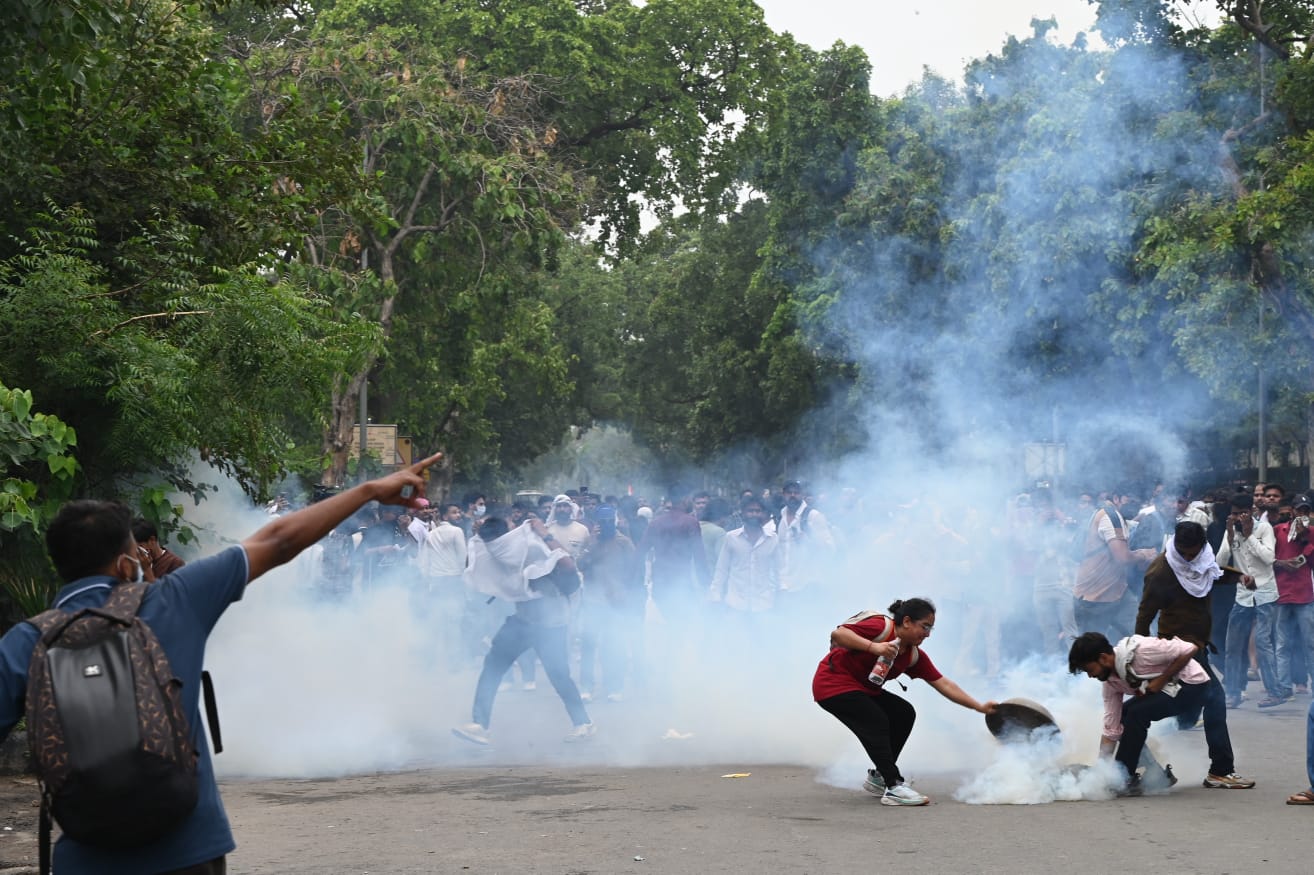
Groups of demonstrators reached the Parliament area through different routes. The police repeatedly fired tear gas canisters. By 1.40 pm, AAP leaders also reached Raisina Road.
1 PM – 4 PM | Central Delhi
Violence escalated across Raisina Road, Ashoka Road, Janpath, Market Road, Connaught Place and other parts of central Delhi as police resorted to tear gas shelling.
3.50 pm | About India Gate
Fresh groups gathered near Shastri Bhawan lawns and India Gate, leading to rapid action force deployment around Ravi Marg and Kartavya track.
4 pm | Jantar Mantar
Security forces began dismantling the protest site, demolishing the stage, tents and banners. The operation continued for about an hour, while the demonstrators were removed from the place.
By 4pm | Traffic disturbances
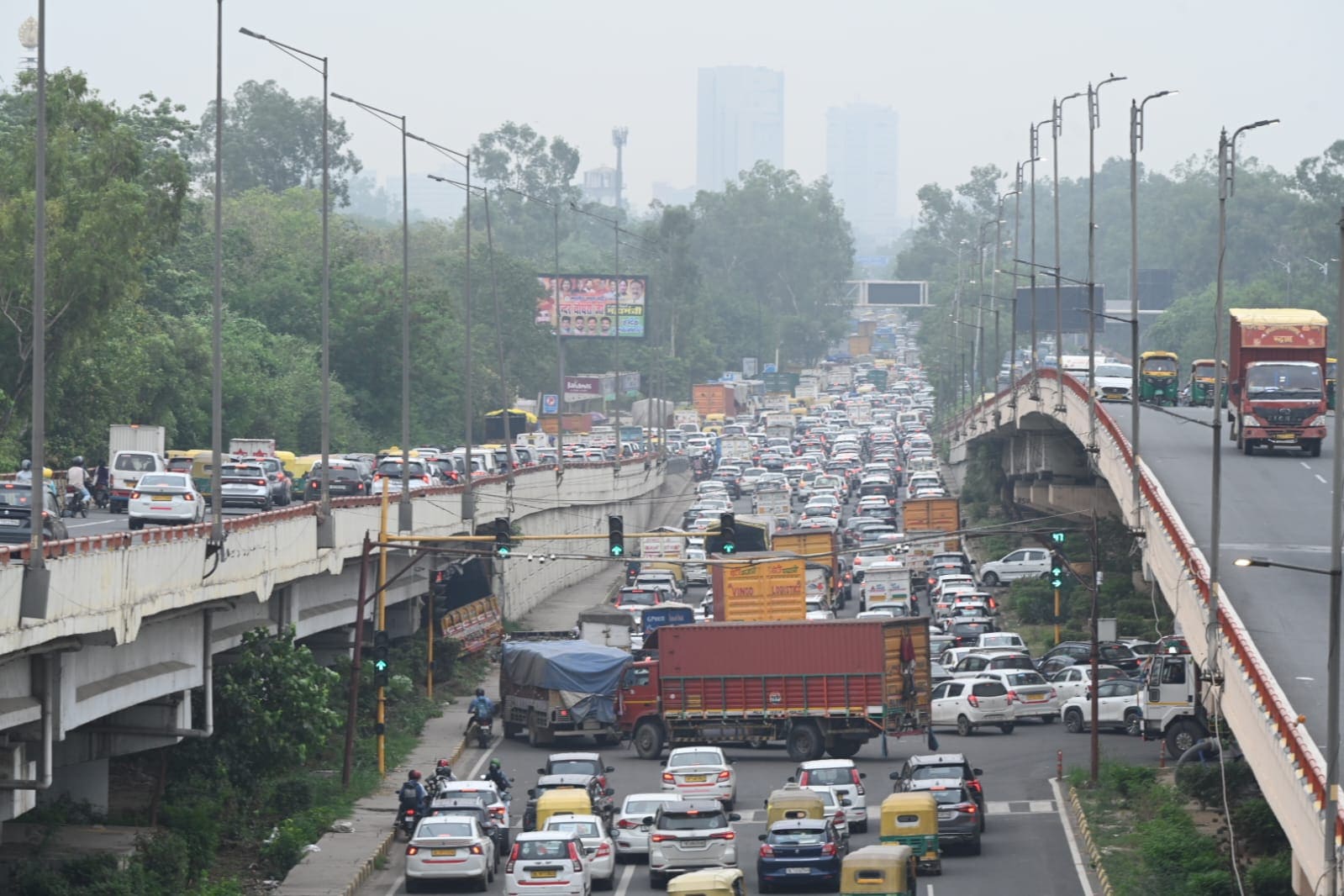
Google Maps showed that main roads between Connaught Place and Parliament House were either closed to traffic or barricaded.
4.30 pm | Janpath
Police moved protesters away from major road intersections, forcing many to regroup in Janpath.
5.55pm – 6.40pm | Jantar Mantar
Police dismantled the remaining protest infrastructure, removing tents, a stage and furniture while dispersing those still at the site.
By evening
Despite the crackdown, Abhijit Debaki, along with RJD spokespersons Ashutosh Ranka, Sourav Das and Sonam Wangchuk’s wife Gitanjali Angmo, continued to sit-in near Kerala House, saying the agitation would continue.
Protesters return to Jantar Mantar
Although police cleared the site and demolished the theater, crowds continued to gather during the evening. By nightfall, the demonstrators were able to overcome the barriers and reoccupy the area.
Arrests
Police said about 70 demonstrators were arrested during the day. Officials said that an FIR has been registered under the provisions of the Bharatiya Nyaya Sanhita (BNS) Act and other applicable laws relating to riots and assault on public servants.
(With inputs from Himani Bhandari, Jignasa Sinha, Paras Singh, Gargi Shukla and Sanoli Bhatia)