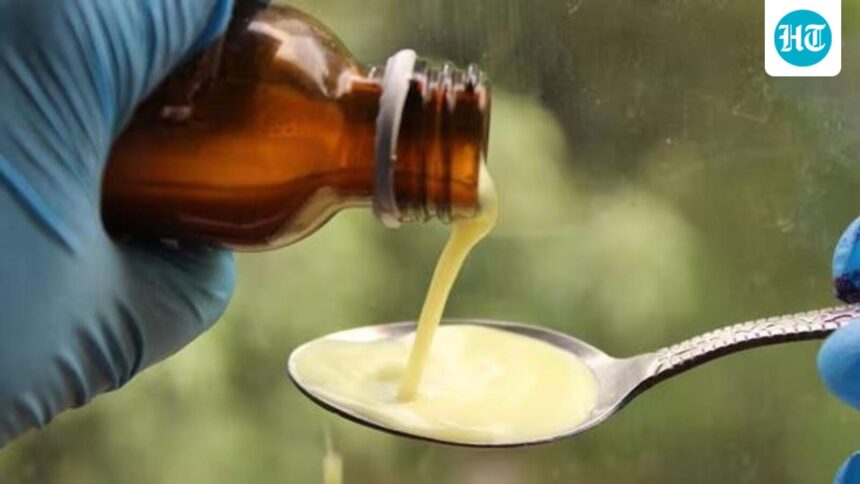
The Union Ministry of Health and Family Welfare has brought medicinal products containing ethyl alcohol under stricter regulatory control by removing their license exemption under Schedule K and bringing them under Schedule H1 to check misuse and addiction.

“In an important step towards strengthening regulatory oversight and preventing misuse of medicinal products with high alcohol content, the Ministry of Health and Family Welfare has abolished the current exemption (under Schedule K) from licensing requirements for formulations containing ethyl alcohol,” the Ministry of Health said in a statement.
Certain medicinal products, including tinctures of cardamom, ginger and other aromatic preparations, have been exempted from licensing requirements under Schedule K of the Drugs Rules, 1945. Some of these formulations contain high concentrations of ethyl alcohol, in some cases up to 80-90% v/v, making them vulnerable to misuse and poisoning.
According to people in the health department, complaints have also been received from some state governments in this regard. “These medicinal products are largely tinctures used to make digestive aids, etc., which were earlier exempted from the standard licensing requirements for allopathic medicines. We learned that a section of manufacturers in villages and small towns, were taking advantage of this loophole and making tinctures with a very high alcohol content with a little ginger or cardamom. They were selling them in bulk bottles. Therefore, the government felt the need to regulate this category as well,” a senior official said, requesting. Anonymity.
The official clarified that these products are not Ayurvedic, Unani, Siddha or Homeopathic products, as they are already regulated under AYUSH rules. “As per their rules, there is a maximum of 16% on Ayurvedic, Unani and Siddha medicines, and up to 12% on homeopathic medicines. The medicines we are talking about are tinctures meant to aid in digestion, etc.”
To address this concern, the government has determined that all formulations containing more than 12% v/v ethyl alcohol, in amounts exceeding 30 mL, will no longer be covered under the Schedule K exemption. Therefore, these products will be required to obtain the required licenses under the Drugs and Cosmetics Act 1940.
The decision to amend the rules was taken after detailed consultations with the Medicines Technical Advisory Board.
The amendment also moves these products to Schedule H1 of the Drugs Rules, 1945, which mandates their sale on prescription from a registered medical practitioner and stricter record keeping. A record of all sales made under Schedule H1 must be duly maintained and maintained for at least three years.
The Ministry of Health said in a statement: “The amendment is expected to strengthen regulatory oversight of those medicinal products that contain alcohol, ensuring their supply only through the regulated pharmaceutical supply chain. It will significantly reduce the possibility of their diversion and misuse while ensuring their continued availability for legitimate therapeutic use.”
She added that this initiative is in line with the government’s ongoing efforts to strengthen the regulatory framework for medicines, promote the rational and responsible use of medical products and protect public health.