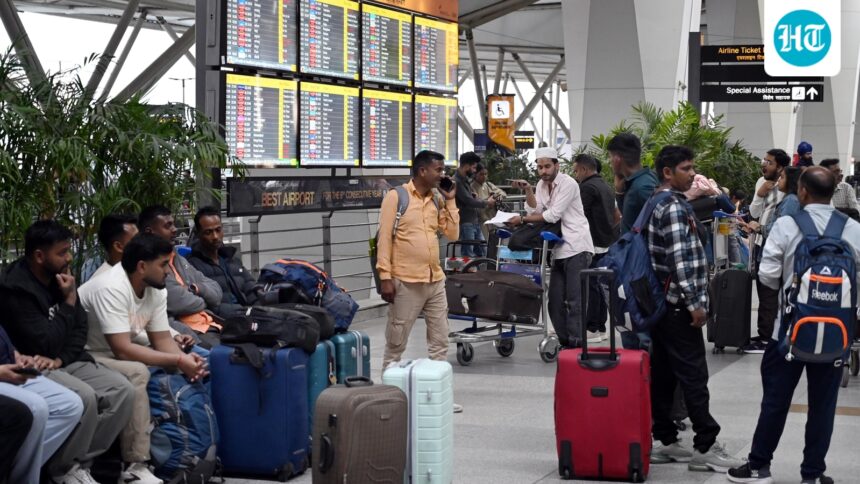
Leading Indian airlines have started raising fuel surcharges on domestic and international flights in light of the ongoing conflict between Iran and the US-Israeli bloc. Aviation turbine fuel (ATF) prices are climbing. IndiGo made the latest such move on Friday.

Global ATF prices, which typically account for 40% of an airline’s operating expenses, have seen a “sharp rise” since early March 2026 due to regional supply disruptions.
How are prices increased? List and details
Indigo: India’s largest airline said it will start charging sector-based fuel surcharges on all domestic and international tickets from March 14, 2026. The airline noted that while fully compensating for the ATF increase would require a “significant adjustment” to base fares, it has opted to charge less for the benefit of travellers. Fees by sector are:
- Indian subcontinent and local: $425
- The Middle East: $900
- Southeast Asia and China: $1800
- Africa and West Asia: $1800
- Europe: $2300
Air India Group: Air India and AI Express It announced a gradual implementation of the surcharge starting on March 12, 2026. The group warned that without these adjustments some flights would become economically unviable.
- Phase 1 (from March 12): Additional fee of $399 applies to local and SAARC routes. West Asia/Middle East routes attract an additional fee of $10, while Southeast Asia charges have risen from $40 to $60.
- Phase 2 (from March 18): Surcharges on long-haul flights will rise significantly: Europe will rise to $125, while North America and Australia will jump to $200.
- Phase 3: Future modifications are planned for Far Eastern markets, including Japan and South Korea.
Others: Budget airline SpiceJet has warned that airlines have no choice but to impose additional fees if the price of oil remains high. Founder Ajay Singh urged the government to reduce customs duties and value-added tax on aviation fuel, noting that prices even at $90 per barrel had become unsustainable. AirAsia, another low-cost airline, confirmed it had raised prices and adjusted fuel surcharges, although it has yet to specify the exact increases in the sector.
Why are airline ticket prices rising globally?
This jump in domestic prices reflects A Volatile global market. Jet fuel prices have nearly doubled since the conflict began on February 28.
Beyond fuel costs, the industry faces significant flight disruptions.
Many airlines avoid West Asian and neighboring airspace due to security concerns, resulting in longer and more expensive alternative routes. Aviation analytics firm Cirium reported that more than 43,000 flights to and from the Middle East were canceled between February 28 and March 10.
Among international airlines, Cathay Pacific plans to double its passenger fuel surcharge on long-haul flights to HK$1,164 from March 18; Hong Kong Airlines raises surcharge by up to 35.2%; Finnair has canceled all flights to Doha and Dubai until the end of March, and has included fuel costs directly in basic ticket prices; Air New Zealand has suspended its earnings forecast and warned of further adjustments to fares and routes; While Qantas, Scandinavian Airlines SAS and Thai Airways have also confirmed price increases or imposed temporary surcharges to mitigate the impact.