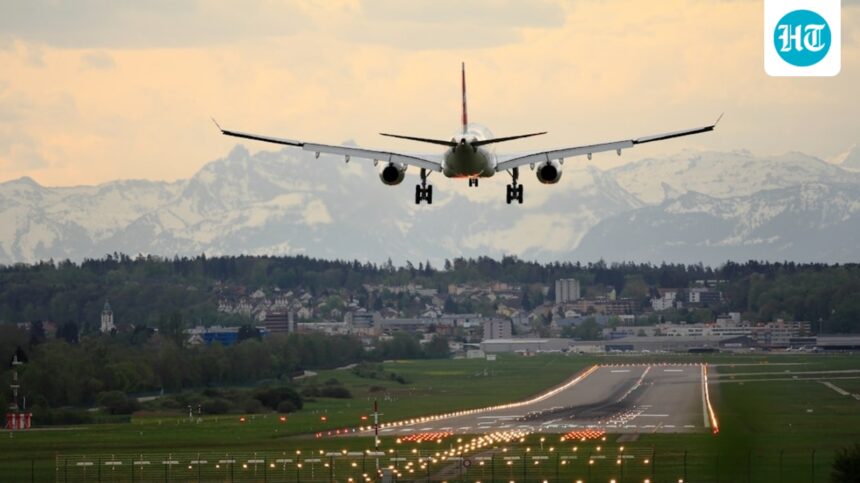
India’s airlines will operate fewer flights this summer, senior officials said on Sunday, after aviation authorities scaled back their schedule expansion plans and tied flight approvals to their current ground capacity, compared to expected capacity.

The Directorate General of Civil Aviation (DGCA) is expected to approve about 22,600 flights per week during the summer schedule — from March 29 to October 31, a decline from 25,610 flights last year and 24,275 flights in 2024, people familiar with the plan said.
“The government has asked airlines not to overschedule flights based on aircraft yet to be delivered, a move that has largely led to at least a 12% drop in flights in the upcoming summer schedule compared to last year,” a senior aviation ministry official said.
A combination of factors are expected to play a role in the deep cuts – the chaos caused by IndiGo’s mismanagement in December when 5,500 flights were cancelled, revamped flight time limit (FTDL) rules that cut crew hours and flight disruptions caused by the Iran war that not only raised jet fuel costs but also forced airlines to take longer routes to impact the conflict-torn region.
A ministry official said airlines usually prepare flight schedules in advance and include planned flights on aircraft expected to be delivered in the coming months. “But this time, the government has asked airlines to include only those flights that can be operated with already available aircraft,” added the official, who requested anonymity.
Carriers typically request flight times based on forecasts of the new aircraft they expect to receive each month. However, instead of considering schedules with these expectations in mind, authorities said airlines could seek permission to operate more flights after delivering new planes.
A second ministry official said: “When you get the plane, you can request more flights and we will allow it.”
“The decrease in the number of flights in the summer schedule is intentional and honorable by the government, and not necessarily due to lower demand,” said the above-mentioned official, who also requested to remain anonymous.