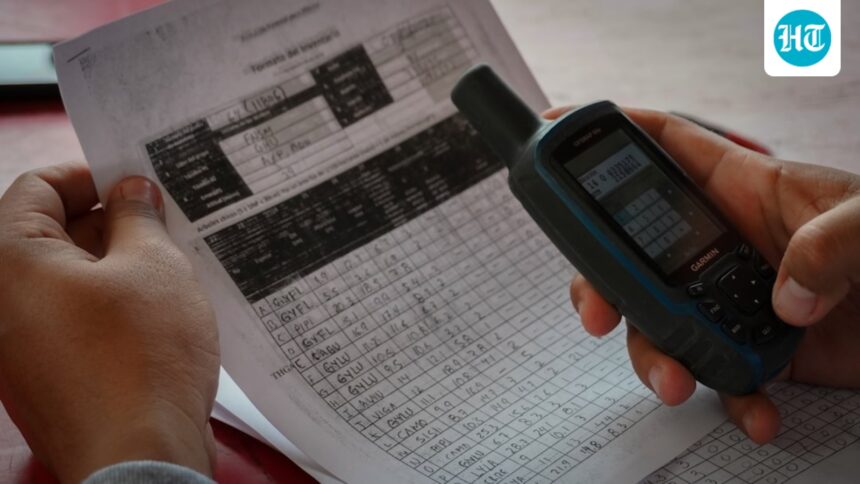
Bharat Sanchar Nigam Limited (BSNL) has launched a new satellite phone for “challenging environments”, adding another segment to the PSU portfolio.

Taking to social media platform X on Thursday, BSNL said the new satellite phone is designed to be an “ideal solution” for defence, maritime navigation, disaster response and other challenging areas.
“When traditional mobile networks are not accessible, the BSNL satellite phone keeps you connected. It is designed for challenging environments, making it an ideal solution for defence, maritime, disaster response, mining, remote operations and adventure travel,” the government company said in the statement.
The statement added that the price of the phone is: $1,34,166 including all relevant taxes.
Features in the new BSNL satellite phone
BSNL also gave several reasons why it believes consumers should choose its satellite phone service.
According to the company, the satellite phone it offers has many features. Some of them:
- Satellite communication
- Voice calls anywhere
- Emergency support
- Long battery life
Who exactly can buy it?
Defense and security, such as military personnel and border personnel.
People working in specialist sectors such as marine operations, mining and disaster response.
Employees who work in off-grid locations for authorized field operations, where cell towers cannot reach them.
To purchase the device legally or find out about the basic licensing requirements, you should contact the nearest BSNL office or call the dedicated BSNL representative line.
Rules relating to satellite phones in India
Satellite phone use is severely restricted in India due to national security concerns. According to the Telecommunications Act 2023, a satellite phone cannot be legally operated in the country without obtaining a prior license or No Objection Certificate (NOC) from the Department of Telecommunications (DoT).
Such devices pose significant challenges to law enforcement and intelligence agencies, because they bypass local communications infrastructure. Authorities in sensitive areas such as Jammu and Kashmir have a “zero tolerance” policy regarding such devices to prevent insurgents from using unmonitored communications lines.
Security protocols surrounding satellite phones were significantly tightened in the wake of the 2008 Mumbai terrorist attacks. During the horrific siege, terrorists used Thuraya satellite phones to communicate with their handlers in Pakistan, making it difficult for Indian authorities to track and intercept real-time coordination.
For foreign nationals, any satellite phone brought into the country must be declared to the Customs Department. Failure to do so may result in heavy fines and even arrest. Countries such as the United States and the United Kingdom have issued advice to their citizens in this regard.