A new report from YouTube reveals how traditional US studio animation is disintegrating and the digital-first audience is aging Opportunities for independent digital animation may be expanded.
The latest research from the company’s Culture and Trends team, titled “The New Wave of Anime,” highlights the artists, stories, styles, funding models and international reach behind the current growth of animation on the platform. The findings came from interviews with creators, an analysis of viewing data among users ages 16 to 49 worldwide on the platform’s main app (not YouTube Kids), and thousands of responses from U.S.-based anime viewers ages 14 to 49 as part of a survey conducted in conjunction with SmithGieger.
According to the report, interest in anime is global, with 50 percent of online anime fans between the ages of 14 and 49 reporting that they watch anime series in languages other than their own. In the case of Korean series such as strange stage, 90 percent of the viewers of the anime survival test program came from outside Korea. “A lot of these big series originate outside the US,” says Maddy Buxton, YouTube’s director of culture and trends. “The strange stage Started in Korea, Glitch is based out of Australia. “These have made huge inroads here, as well as in all these other markets.”
Other key findings indicate that an oft-overlooked demographic within the animation studio – teens and young adults – are consuming animation on the platform at a high rate. According to the survey, 66 percent of anime fans aged 14 to 24 watch memes — brief, often original character animations set to audio that can serve as a template for further adaptation — weekly or more, while 57 percent watch animators — typically used in the pre-production process to create a rough draft of an animated sequence — also weekly or more. When it comes to narrative series distributed on YouTube, 63% of anime fans ages 14-24 watch those series weekly or more, while 60% agree that they like watching anime series created by independent animators on YouTube as much or more than series created by a major studio.
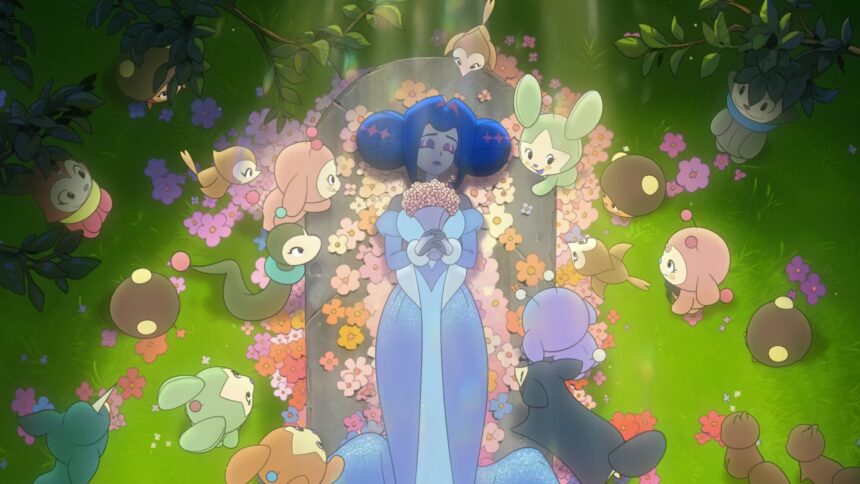
“Things like Storytime animation [animation or animatic stories from creators’ everyday lives] “Go back to the early days of YouTube, but I would say that in terms of seeing narrative series flourish, the real turning point for us was in 2024,” Buxton explains. [Studios] put out Amazing digital circuswhich landed on [eight out of 12 countries’] Lists of popular topics. We’ve never seen an anime series get this kind of exposure, especially so close to its run. They had only released four episodes at the time.
Creators of series like Glitch (Spectacular digital circus, killing drones), Vivian Medrano (Helluva Boss, Hazbin Hotel), Ian SBF and Tobias Daniloz (Virtue society) in the report, highlighting how a community of global creators and largely adult animated series are finding success on the platform. A number of these creators have been producing for years (Virtue society Launched in 2017), it has amassed a huge following (Medrano’s Vivziepop channel has over 11 million subscribers), with good viewership (videos tagged with The strange stage Collectively they had 330 million views in 2025) regardless of which part of the world they are from – be it Argentina, Japan or the UK
Many of these series that debuted on YouTube have also found a second home with Hollywood streaming players like Netflix, Prime Video, and Adult Swim/HBO Max Brasil. In case of malfunction Amazing digital circuscreated by Gooseworx and released in October 2023, multiple licensing deals, including Hot Topic and Good Smile Company, an Annie nomination, and more than 600 million lifetime views of its first four episodes, led to its release on Netflix. However, despite this mainstream crossover, Buxton says creators’ relationships with their content on YouTube aren’t changing dramatically. “For most of the animators I talked to, the way they thought about it was that YouTube was their home base where they had already created their own fan communities. Getting these other licensing deals was a great way to expand their audience, but for most of them, YouTube was the core.”
However, the streaming deals point to a path to production outside the studio pipeline amid the industry’s diminishing commitment to in-house animation production — the result of outsourcing, artificial intelligence, the death of kids’ brands in the streaming era, and a lack of green light for adult animation, among other challenges. According to Buxton, the creatives featured in the report are a mix of artists with studio backgrounds (e.g Knights of Guinevere Dana Terrace, looking for more freedom, for artists who were never in the studio system. Regardless of where they develop their skills, many develop cost-effective proofs of concept—animations or entire pilots—and build a core audience to support further content creation with their titles.
The report focuses specifically on the fan element, noting how these products use fan communities to strengthen their brands. Many of them are funded through crowdfunding, where subscribers get exclusive perks, embrace translations and alternative audio (such as the Japanese Cyberpunk series). Milky subway is Dubbed in 10 different languages). Both of which help them penetrate globally among culturally distinct and multilingual societies and regions. Creators also regularly interact with fans via YouTube’s Community tab, short videos, and, to a slightly lesser extent, through live streams, which can serve as their own fan-based word-of-mouth marketing.
Without studio support, productions face funding constraints, but as a result, they can embrace innovative artistic methods and a production model that Buxton agrees can function as a version of Hollywood’s own media ecosystem, right down to the pilot season. “We’re seeing some anime channels testing the waters first with anime, to see if there’s audience interest before they invest more in it,” Buxton explains. “Glitch will release merch as soon as a new episode is released. They’re not even waiting to see how the series performs.” “The biggest difference is the fan engagement element. These channels are from creators who grew up online, typically. They really understand how fan dynamics work, and how to leverage that to make fans part of the process of what they’re building from the beginning, which is very different from the studio model.”
The New Wave of Animation report also depicts the less traditional, familiar or definitive works that fuel the medium on YouTube. This includes virtual creators (or YouTubers who use a virtual avatar for entertainment) like Japanese VTuber Juufuutei Raden and his 1 million subscribers. There’s also animation in the back Epic: the musicaladapted by Jorge Rivera Herrán Odyssey which turned fan art into official visuals for an original concept album, garnering over 1.3 billion views in the process. Buxton points to Canadian musician BBNO$, who followed a similar model by commissioning artists for small music videos, as evidence of the growing trend.
Although they are outside the bounds of traditional understanding for many People for Animation, 57 percent of participants ages 14 to 24 reported watching anime weekly or more, and 61 percent of those who watched a virtual creator online agreed that it was possible to feel connected to a virtual creator or artist just as much as a real creator or artist.
“Some of it comes from what we see in places like Korea and Japan, where some creators don’t want to show their faces, and feel more comfortable having some kind of animated avatar. But VTubers are incredibly popular in the US, even though a lot of people may not be aware of them,” Buxton explains. “Ironmouse recently hit No. 1 on our Shorts video charts. These creators are definitely spreading the word, and a lot of that has to do with the fact that they inspire an element of fan engagement and creativity, which is a more open, participatory model.”
This is especially true for animated memes, which spark choreography and vocal trends (OFF SCRIPT’s UK short featuring Lily Allen’s “Smile”, or DJ TAK’s “Lemon Melon Cookie” soundtrack outside of Japan), or generate their own fan songs and communities with up to 95 million views in just eight months like LE Poisson Steve in France. “Memes are a language that anyone who grew up on the internet knows, is familiar with, and has probably participated in in some way,” says the culture and trends director. “It’s just a much easier entry point for fans because it gives them this template to use and create and become part of that community.”
Buxton points out that while the report captures new and platform-specific trends, it points to larger historical trends — see Rooster Teeth — and emerging animation trends. “Even 10 years ago, if you looked at anime viewership on YouTube, the majority was coming from Japan. Now, the majority of viewing for anime content on YouTube is coming from outside of Japan. So I think some of this audience interest is just a product of some of these anime trends from here and elsewhere that are becoming more widespread. The content is becoming more global.”