Two respected documentary filmmakers have sounded the alarm about the possibility of Paramount Skydance merging with Warner Bros. Discovery, a corporate marriage that would bring CBS, CNN and HBO under one roof.
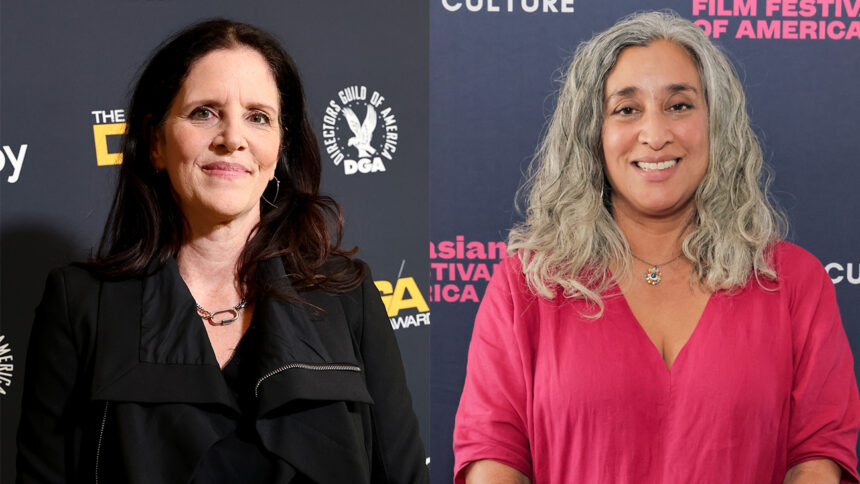
Academy Award-winning director Laura Poitras and Academy Award-nominated director Geeta Gandhipierre raised concerns about the impact of the merger on the vulnerable documentary ecosystem, editorial independence and access to archival materials during a press call organized by the Freedom of the Press Foundation on Wednesday.
The event, also hosted by the Defenders of Democracy Fund, the International Documentary Association, the Future Film Coalition, and Free Press, focused on the threat the merger could pose to freedom of the press and documentary production. It’s part of a larger effort to voice opposition to the $110 billion deal as it faces final regulatory hurdles. Democratic lawmakers raised concerns that Paramount Skydance CEO David Ellison offered positive press coverage in exchange for approving the deal.
But in her statements, Poitras – the director who was behind it citizenfor And last year Cover up -Focus on influencing filmmakers in Hollywood. She said such a merger would be “devastating for the documentary community,” explaining: “We’ve already seen consolidation, we’ve already seen broadcasters and streamers moving away from political content, and it just means fewer voices, less diversity, less content. It’s terrible for communities, it’s terrible for filmmakers and creators, and it’s terrible for audiences.”
The director said that her criticism was not a partisan issue. “I think if it had been Netflix trying to get this deal done, we would be sitting here too, raising questions about this merger,” she said.
“Media consolidation is bad for the public, bad for creators, and bad for the public’s right to know.”
Gandbhir which he directed last year The perfect neighborContinuing consolidation in Hollywood has already led to “less competition, fewer venues, more downward pressure and control over budgets, much less risk-taking, and results in broad, homogeneous content reaching audiences,” he said. In documentaries specifically, “Now, what sells broadly is celebrities or true crime or sports, and that’s about it. So difficult films or experimental films or films that don’t appeal to the broadest possible base are being forced out of the market.”
Jandpierre and Poitras had previously announced their opposition to the merger, having signed a star-studded letter from more than 1,000 Hollywood figures opposing the deal. But with Wednesday’s statements, they detailed the harmful impact they believe the merger will have on their industry.
Jandber expressed concerns that HBO, which is owned by Warner Bros. Discovery, which it described as “the essential backbone of American documentary,” will change course as a result of the merger. Referring to how the Trump administration has cut funding for public media, she said: “Now they are setting their sights on HBO and CNN, as we know, which are two of the few remaining outlets that fund or commission independent documentaries in the United States.”
She noted that there is already a chilling effect with major corporations when it comes to distributing films on topics that may be considered political or controversial. While shopping for her short Satan is busyabout an abortion clinic in Atlanta, Gandpierre said some executives told her they wouldn’t run a story on the topic of abortion. HBO released the film in 2025.
Access to archival materials may also be at stake during the merger, Jandbeer said. She added that many documentary filmmakers rely heavily on archival material to tell their stories, and access to this work may be denied or priced out of reach. She said that merging the CNN and CBS archives into a single entity “has shown that it is active in editorial suppression and represents a significant threat to documentary filmmakers.”
In a statement, a Paramount Skydance spokesperson said they “respectfully disagree” with allegations that the merger is anti-journalistic or anti-competitive. The spokesman said: “The proposed deal is fundamentally pro-competitive and reflects a commitment to investing in, not diminishing, the future of journalism.” “Far from reducing competition or freedom of the press, the combined company will have greater scale and resources to compete in an increasingly consolidated media landscape dominated by global broadcast and technology platforms – enhancing consumer choice, supporting creative talent and enhancing the long-term sustainability of trusted news organizations.”
Over the course of the press call, other critics of the deal — journalists Kara Swisher, Jim Acosta and Katie Fang — expressed their reservations. The call follows the release of a letter signed by more than 200 journalists, documentary filmmakers and academics opposing the merger of Paramount and WBD.
“We urge state and federal regulators and legislators, as well as Paramount shareholders and news consumers, to treat this merger not as an independent, public business transaction, but as it clearly is: a political arrangement to circumvent constitutional safeguards, with serious consequences for American democracy,” the letter said.
May 27, 1:24 p.m Updated with a statement from a Paramount Skydance spokesperson.