It’s Sora again.
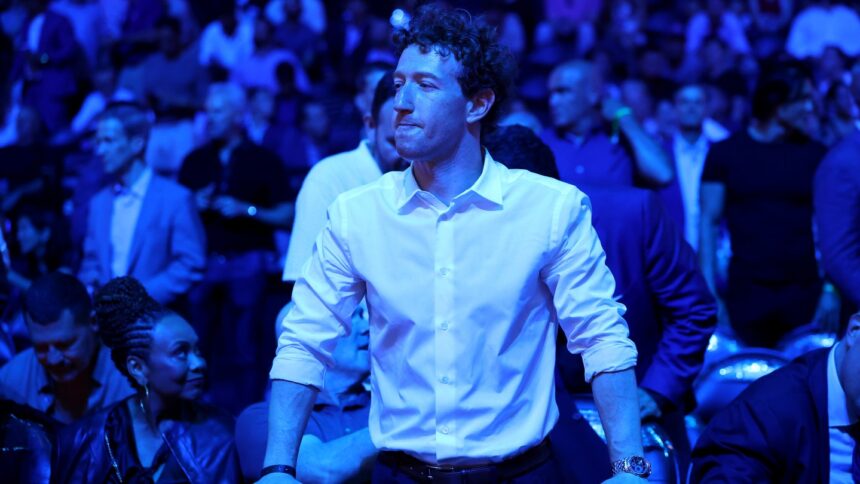
Meta, led by CEO and AI enthusiast Mark Zuckerberg, this week launched the first photo and video tools to come out of Superintelligence Labs: Muse Photo and Muse Video.
The tool makes Meta compatible with the latest advances in AI media creation, along with Google’s Gemini and Seedance 2.0, but alongside the tools, Meta also said that all public Instagram profiles will be opted out, not opted in, and other users can pull in those other accounts that don’t opt out and create new content with their profiles.
For celebrities and other high-profile figures, this can be a big problem, even if most of them end up withdrawing. Now Creative Artists Agency is calling on Meta for the move, asking the tech giant to make it opt-in, not opt-out.
“No third party’s name, image, likeness, voice, or creative work should be used by any third party, including AI models, without clear, documented consent. True innovation puts creators first: respecting their rights, protecting their livelihoods, and giving them real control, not handing it over to the platforms,” CAA said in a statement Wednesday evening. “We have raised our concerns with Meta on behalf of our customers, expressing our disapproval and our perspective on the need for a more responsible approach. We call on Meta to make protection the default at Muse Image, not the exception, and to enable individuals to opt-in if they want to allow their image or likeness to be used to create AI content.”
The statement continues: “Artists deserve to decide if and how their images and work will be used, with consent and the ability to set their own terms.” “This means allowing creators to impose limits, monitor use, and prevent unauthorized endorsement or exploitation. Responsible AI requires clear disclosures and rapid removal of unauthorized content. There must be easy ways to detect, track, and remove abuse, and it must be clear when something is created by AI. CAA believes in the power of new technology, but not at the expense of people’s rights or livelihoods. The future of creativity depends on respecting the ownership and autonomy of those who make it possible.”
Naturally, CAA is well aware of the opportunities and threats that generative AI poses to its clients. The agency maintains what it calls a “CAA Vault,” where digital likenesses of its clients reside for potential future monetization and protection, and the agency was the first test user of YouTube’s deepfake detection tool, which it rolled out across Hollywood earlier this year.
Muse’s situation is reminiscent of the failed launch of OpenAI’s Sora, which was overridden by well-known intellectual property and the likes of several high-profile figures, forcing the AI giant to focus on a subscription model, before it scrapped the video model altogether earlier this year.
Following the launch of Sora, WME said it had decided to cancel the subscription on behalf of all its customers, the first domino to fall in the model’s short life.
“There is a strong need to provide meaningful protections for artists and creators when they encounter AI models using their intellectual property, as well as their name, image and likeness,” Chris Jacquemin, WME’s chief digital officer, wrote in a memo at the time. “Our position is that artists should have a choice in how they appear in the world and how their likeness is used, and we have informed OpenAI that all WME customers will be opted out of the latest Sora AI update, regardless of whether intellectual property rights holders have opted out of the intellectual property to which our customers are associated.”
With so many celebrities, artists, creatives, and other notable figures on Instagram, an opt-out form may not be good enough, especially when their likeness is their livelihood.