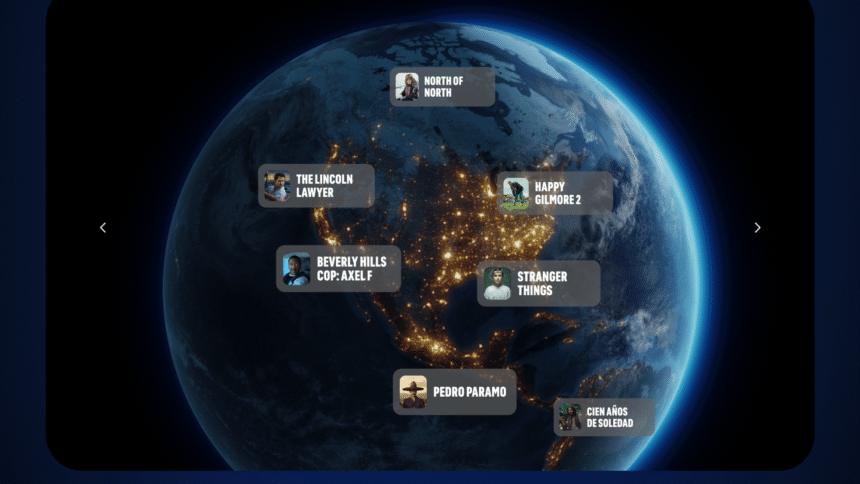
Netflix wants to be a little more public with the impact it’s having on the global economy and popular culture in a big way. So on Tuesday, it will release what it calls “The Netflix Impact,” a report outlining the economic and cultural impact the streaming giant says it has had on the entertainment economy.
In a post, Netflix co-CEO Ted Sarandos spoke about the company’s ability to influence culture and create jobs around the world, in contrast to the company’s investments with other entertainment giants.
“Over the past decade, Netflix shows and movies have consistently shaped what people read, buy, listen to, eat, wear, and play. We’ve propelled oldies to the top of the music charts, helped niche sports go mainstream, and boosted sales of everything from chess sets, to Halloween costumes, to home storage.” “Now we have a responsibility to keep the flywheel going,” Sarandos wrote. “That’s why, while other entertainment companies pull back, we tend to spend tens of billions of dollars on content each year, investing in production facilities from Spain to New Jersey, and growing the entertainment industry through training programs that have reached over 90,000 people in over 75 countries.”
Netflix has now spent as much as $135 billion on film and TV production, contributing what the company estimates is $325 billion to the global economy, Sarandos writes. Netflix has created about 425,000 jobs through its productions, with another 700,000 or so working as day laborers or extras on its projects.
The company also took note of all the cities and communities in which it films its TV shows and films, and its ability to make a cultural impact through those programs.
The report comes as Netflix, the world’s largest subscription streaming platform by far, charts a path forward on its own after abandoning its pursuit of Warner Bros. The deal generated significant regulatory pressure, with some even pushing for an antitrust review of the company.
But even abandoning the deal generated pressure on the company, with Wall Street and investors questioning its strategy after issuing disappointing guidance in its latest earnings report.
Sarandos, for his part, seems focused on portraying Netflix as the powerful global player in entertainment, with some economic and cultural muscle to back it up.
“These days, the entertainment industry is changing faster than when we started — which is why, as we look to the next decade, we will continue to invest in the relationships we’ve built with the creators we work with, the communities we rely on and the fans who love to watch,” he wrote. “For me, this is what the Netflix Effect is all about. While I’m proud of everything we’ve done together, I’m even more excited for what comes next.”