Reuters reported, citing sources, that OPEC+ may agree to increase oil production at its meeting on Sunday, although the move is expected to remain largely symbolic as major producers are unable to increase supplies due to disruptions caused by the US-Israel war with Iran.Eight OPEC+ members are scheduled to meet at 1300 GMT to discuss production quotas for May, with sources indicating that any increase would have little immediate impact on global supplies.
He watches
‘Strait of Hormuz still closed’: Iran challenges Trump to ‘forever war’ and laughs at 48-hour Hormuz deadline
The ongoing conflict has closed the Strait of Hormuz – the world’s most important oil transit route – since the end of February, sharply curtailing exports from major producers such as Saudi Arabia, the United Arab Emirates, Kuwait and Iraq.
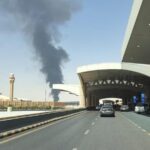
These countries were among the few in the group that had the capacity to increase production before the conflict.Other members, including Russia, are also unable to increase production due to Western sanctions and damage to infrastructure related to the war in Ukraine.In the Gulf region, missile and drone attacks caused severe damage to energy infrastructure. Officials say it could take months to restore normal operations and meet production targets, even if the conflict ends and shipping through Hormuz resumes immediately.
At its previous meeting on March 1, OPEC+ agreed to a modest increase in production of 206,000 barrels per day for April. However, the ongoing crisis has since sparked what is being described as the largest oil supply disruption on record, removing an estimated 12 to 15 million barrels per day – or up to 15% of global supply.Crude oil prices rose to their highest levels in four years, approaching $120 per barrel. JPMorgan warned that prices could rise above $150 – an all-time high – if unrest in the Strait of Hormuz continues until mid-May.While the new production increase may signal an intention to boost supply once conditions stabilize, analysts say it remains largely theoretical under current constraints. Consultancy Energy Aspects described the proposed increase as “academic” as long as unrest in the strait continues.