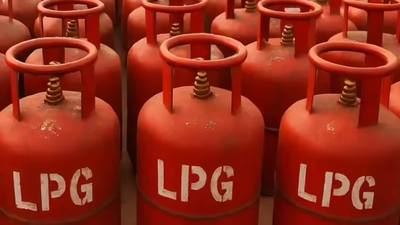
Household budgets are expected to see a further increase as domestic cooking gas prices were hiked by Rs 29 per cylinder, marking the second review in three months as global energy costs continue to rise.As of Sunday, June 7, the price of a 14.2 kg LPG cylinder in Delhi has increased to Rs 942 from Rs 913 earlier. The latest increase comes on the heels of an increase of Rs 60 per cylinder announced on March 7, after conflict in the Middle East disrupted global energy supplies and pushed up global fuel prices.Industry sources said the previous increase only partially offset losses incurred from the sale of domestic LPG.
Before the current review, it was estimated that state-run oil marketing companies were losing about Rs 703 on every LPG cylinder sold.Read also: LPG sales decline 19% year-on-year in May
LPG is getting more expensive: Here’s how much a cylinder costs now in your city
| city | Today’s price |
| New Delhi | Rs 942.00 |
| Kolkata | Rs 968.00 |
| Mumbai | Rs 941.50 |
| Chennai | Rs 957.50 |
| Gurgaon | Rs 950.50 |
| Noida | Rs 939.50 |
| Bhubaneswar | Rs 968.00 |
| Chandigarh | Rs 951.50 |
| Hyderabad | Rs 994.00 |
| Jaipur | Rs 945.50 |
| Lucknow | Rs 979.50 |
| Patna | Rs 1,031.50 |
| Thiruvananthapuram | Rs 951.00 |
The rise in LPG prices is part of a broader trend of fuel price increases seen in recent weeks.Since mid-May, petrol and diesel prices have risen by a cumulative rate of Rs 7.50 per litre, while CNG prices have risen by about Rs 6 per kg.But industry sources said that oil marketing companies continue to sell petrol and diesel below cost.
Losses are estimated at around Rs 11 per liter of petrol and Rs 33.6 per liter of diesel.The government has so far refrained from passing on the full impact of rising global energy prices to consumers, instead absorbing part of the burden through state-owned fuel retailers, as global crude oil and fuel markets remain volatile.Meanwhile, the Middle East crisis has continued for more than three months, and shows no signs of slowing down despite peace efforts. The conflict began on February 28 after the United States and Israel launched joint strikes on Iran. After the strikes, Iran responded by pressuring the vital Strait of Hormuz, an oil pipeline that transports 20% of the world’s energy supplies. This disruption led to higher fuel prices, causing the global price of crude oil to rise to more than $100 per barrel from the pre-war level of $70.
Sending ripples through economies.