What most American films about the Middle East wars have in common is their strict focus on American soldiers – see last year’s astonishingly immersive film War – From the hell of active combat to years of psychological repercussions associated with PTSD, generally reducing the enemy to nameless, inhuman, faceless “others.” First-time feature director Reed Van Dyke proved that from the start Atonement It will deviate from this path, beginning on three generations of a close-knit Iraqi family, the Khachaturians, temporarily residing in the same chaotic house, ostensibly outside the conflict zone.
As television news coverage of air strikes on Baghdad announces that “the great invader has arrived,” a young mother advises her children not to talk to American soldiers or accept anything from them they might encounter. Despite this underlying tension, the children play in the street outside while the extended family has a dynamic like any other – quarreling noisily, joking, or, in the case of the maternal grandmother, Maryam (Hiam Abbas), preparing a meal in a kitchen plagued by constant utility outages.
Atonement
Bottom line Clear, balanced and lifted eyes with great performance.
place: Cannes Film Festival (Directors’ Fortnight)
He slanders: Kenneth Branagh, Boyd Holbrook, Hiyam Abbas, Ghad, Majd Eid, Tahseen Dahis, Gratella Brancusi, Amanda Warren, Yara Bakri, Khris Davis
Director and screenwriter: Red Van Dyke, quoted from The New Yorker Article by Dexter Filkins
1 hour and 58 minutes
It’s 2003, the early days of the Iraq War, and in a direct jab that would rile up anyone unwilling to think objectively about American intervention, someone notes that Washington has been sounding the alarm about weapons of mass destruction for years: “They’re bombing the whole world so they can feel safe.” But although this is unfortunately timely given what is happening in Iran, this is not a provocation intended to shift blame, but merely to show the reality of weary civilians trying to live a normal life in a city under attack.
Maryam engages in relatively little dialogue in this opening section, yet her natural charm and intelligence suggest that she will be the moral center of the drama, which Abbas embodies with quiet command. The Palestinian actress has done exceptional work for decades – she was fantastic as Logan Roy’s third wife Marcia, the wonderfully sophisticated Shadow Queen. succession – But her charming performance here ranks among the best ever.
She plays a woman who is hollowed out by the events that are happening but never numb. Even years later, her eyes reveal a kindness and a torn pain that will stay with her forever. It begins when a sudden explosion tears apart the side of a house. Miraculously, no one was hurt, but Maryam wasted no time in packing them into cars to head to her home on the other side of the city, far from the explosion area.
Van Dyke and his cinematographer John Peter handle the panic and confusion of this journey with great aplomb. A contingent of US Marines took position at an intersection to participate in a “show of force.” Second Lieutenant Lou D’Alessandro (Boyd Holbrook) is ordered to take a group of soldiers to the roof to fire on hostile Iraqis.
As the Khachaturians’ vehicles approached, they heard gunfire and rocket explosions but were unable to pinpoint the source of the sound until they found themselves in the middle of it.
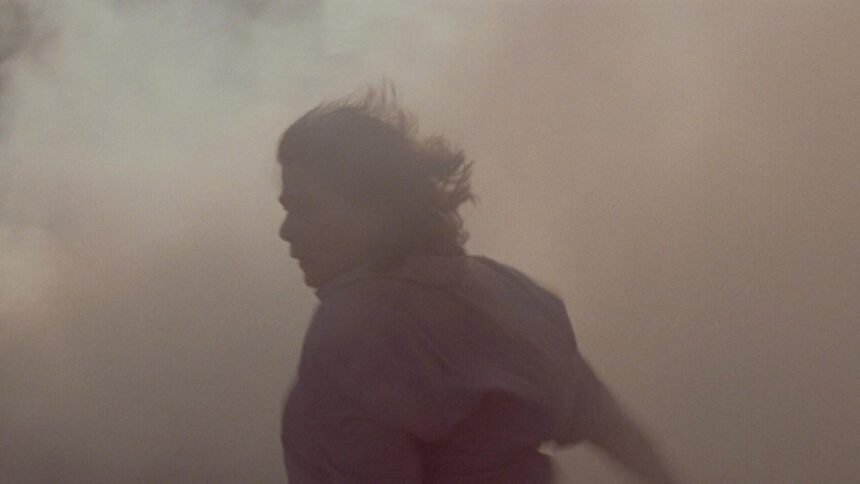
Bullets shatter the windshield and soldiers shout orders, but amid the clouds of dust created by the explosions, everything happens so quickly that the Marines are unable to recognize the family as civilians. Maryam waves her grandson’s white clothes out the window to signal peaceful compliance, but before she can stop them, her husband and two adult sons emerge from the vehicles with their arms raised, shouting “Don’t shoot.”
This unnerving scene that leaves three Khachaturians dead is a haunting depiction of the innocent victims caused by split-second combat decisions. When the men in Lou’s squad see Maryam’s wounded daughter Nora (Gade) among the surviving passengers, carrying a bloodied infant, they realize their mistake – in one case with delirious agony – and quickly get the family to safety. The shock and disbelief on their faces in the following hospital scene is extremely painful.
At this point New York Times Reporter Michael Reid (Kenneth Branagh) – replaces famous combat journalist Dexter Filkins, who was in 2012 The New Yorker An article of the same name that inspired the film — enters the picture. He listens sympathetically to the Khachaturians’ version of what happened, particularly that of Maryam, a former teacher.
Michael then tries to talk to the soldiers. Before the team’s lieutenant (Chris Davis) can get rid of him, on the grounds that he’s not authorized to be there, he gets a few words from Lou, who seems sulky and unrepentant. He seemed to be telling himself that it was their fault when he asked why civilians would choose to drive through that intersection: “Did they have a death wish?”
The action then moves forward ten years. After eight deployments and a dishonorable discharge, Lou returns stateside, where he lives in San Diego and works multiple jobs—nightclub bouncer, event security, construction—while trying to overcome bureaucratic hurdles to enroll in law school. His on-and-off girlfriend Anna (Yara Bakri) knows enough to keep her distance from his volatile panic attacks. The meltdowns and suicides of his fellow teammates erode his stability as much as the trauma he experienced. “We killed these people,” a Marine sobs into the phone.
Eighteen months later, he is now Michael The New Yorker Staff Writer; His article on the surviving Khachaturian family, which has since moved to Glendale, California, caught Law’s attention. It was only after he was discharged from hospital that he considered the family’s perspective that Lou became convinced that talking to them would help him move forward. He may also naively believe that it will help them heal. He calls Michael to broker a meeting, a request that reporter partner Olivia (Amanda Warren) finds selfish. She is skeptical of his desire even for forgiveness or reconciliation.
While the Iraq scenes (filmed in Jordan) are very moving, it is in the emotional finale that Van Dyck’s text acquires its richest psychological layers. Michael approaches the Khachaturians with tact and sensitivity. (With usual fairness, Branagh plays an upstanding journalist, a man of importance at a time when the Fourth Estate could use some positive acting.) The family’s reactions range from Noura’s husband Asaad (Majd Eid), whom she met in a Baghdad hospital, snarling, “I’d rather kill him than let him into my house,” to Maryam, feeling conflicted but deciding they must give Lou what he needs to move on.
Despite this compassionate conviction, on the morning of Lou’s visit, Mary was unsure whether she could go through with it. But when he was sitting right in front of her, stuttering, crying, and shaking as he tried to say what he came to say, Maryam looked at him with a cold, emotionless look: “We forgive you, this is what you need from us, isn’t it?” Her words indicate that they do not need anything from him. They have no more tears to shed.
Abbas delivers a masterclass in “less is more” self-control in these scenes, her character’s fortitude severely challenged but not broken by her years of suffering. This is behavior of the highest order. Holbrooke also touches on a set of exposed nerves in his character as he reckons with his guilt and the enormous weight of grief and anger on the Iraqi family.
Van Dyck occasionally shows his hand as the text reveals the Khachaturians’ gradual softening toward their guest. Maryam’s remark that Lou reminds her of one of her dead sons seems like an inappropriate touch, as Anna says during a veterans support group meeting: “I think when you pick up a gun and you shoot, the bullet goes both ways.” The director is most measured in his effective use of Zach Engel’s wistful score.
regardless about his faults, Atonement It’s admirable in the way it humanizes the people on the other side of the conflict, dealing with their devastating losses as a source of collective pain while watching a US Marine – trained to aim and shoot without consequence – reflect on his actions and take responsibility for them. Maybe it could use a new title, to stop people expecting Baby Saoirse and Keira to show up in an emerald green dress, but it’s a movie that might make Pete Hegseth’s head explode, which has to be considered a plus.