

Rivers create landforms, enhance biodiversity, and provide sustenance for humanity; However, little attention is paid to its depth. The world’s deepest rivers show the other side of these mighty bodies of water.
Beneath the calm waters lie several rivers hundreds of meters deep underground, formed through geological processes, erosion and massive water flows. Determining the depth of rivers may not be accurate as water levels may fluctuate due to seasonal changes and rainfall. However, scientists have come up with accurate measurements of the maximum depth of large rivers. Here are the 10 deepest rivers in the world according to global geography.
Rivers are classified not by size or volume but by their depths.
List of deepest rivers In the world
the world The deepest rivers : From Congo to Mississippi River
Congo River (~250 m)
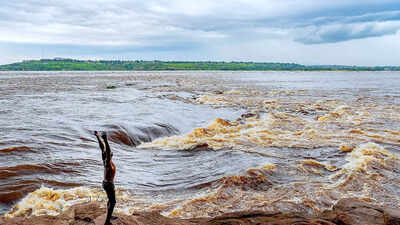
The Congo River is generally known to be the deepest river on Earth, with depths of up to 250 meters recorded. The Congo River is a major river that flows through central Africa and empties into the Atlantic Ocean carrying a huge amount of water. The depth of the river can be attributed to the presence of sharp channels under the river and strong currents that have carved out very deep parts of the river.
Yangtze River (~200 m)
The Yangtze River is the largest river in Asia and is about 200 meters deep in some areas. It is deeper where the Three Gorges are located. In these locations, the Yangtze River passes through steep valleys bordered by high mountains. Naturally, this increases depth significantly. This river is of great importance in terms of transportation, energy generation, and water provision.
Danube River (~178 m)
The Danube River is one of the major rivers in Europe with a maximum depth of 178 metres.
The Danube River passes through many countries and serves as an important waterway. The deeper areas are usually located in valleys and valleys formed by long-term geological changes. The depths of the river facilitate transportation and trade activities between many European cities.
Zambezi River (~116 m)
The maximum depth of the Zambezi River is about 116 metres. The river is located in the South African region and features some of the most striking natural formations, such as Victoria Falls.
The depth of the river is due to the presence of canyons and waterfalls that were formed due to erosion and the rapid flow of water through the river.
Mekong River (~100 m)
The Mekong River flows through some Southeast Asian countries and is about 100 meters deep. It has been noted that this river has a wonderful ecosystem. The monsoon winds have a significant impact on the depth of the river, as its depth changes from time to time due to these rains.
The river serves an important purpose in agriculture and fishing.
Amazon River (~91 m)
The Amazon River is about 91 meters deep and holds more water than any other river in the world. It drains the largest river basin in the world. The depth varies depending on rainfall and seasonal flooding, especially during the rainy season. Its enormous water volume contributes to its depth, making it one of the most important river systems on Earth.
Yellow River (~80 m)
The depth of the Yellow River, nicknamed “Huang He”, reaches 80 meters. It transports some of the largest amounts of sediment of all rivers, affecting their composition and depth. The accumulation of sediment increases the elevation of the riverbed, making the river deeper. Human activities, such as irrigation, also affect the depth of rivers.
Hudson River (~66 m)
The Hudson River is at most 66 meters deep. The river passes through New York, and has a fjord-like appearance at some points.
The geological feature of the Hudson River makes deep water possible, especially at West Point.
St. Lawrence River (~65 m)
The St. Lawrence River connects the Great Lakes to the Atlantic Ocean, and its deepest point is 65 metres. Fresh water is transported in large quantities through the St. Lawrence River, keeping the river deep at all times. The St. Lawrence River was formed as a result of glaciers drilling into the earth.
Mississippi River (~61 m)
The Mississippi River reaches a depth of 61 meters in its lower course. This river passes through the United States and carries large watersheds. The deepest points occur after the confluence with the Ohio River. All the time, sediment transport is shaping new river bed shapes.