An exhibition titled ‘Dastavez 2 – Yesterday’s Perfume’ was held this month in Lucknow. It displayed the private collection of bureaucrat Saboor Usmani’s news magazines, such as Time, Newsweek, Life, India Today, Outlook, and Frontline, which chronicle crucial moments in India and abroad since 1925. Magazine cover stories on display included those on Iran, the assassinated Ayatollah Khomeini, and cow protection in India.

Some issues remain with the US-Israeli war on Iran and the regional war it sparked, dominating headlines and overshadowing Assembly elections in five Indian states. In Uttar Pradesh, the cow has once again become the focus of discussion ahead of assembly elections scheduled for next year.
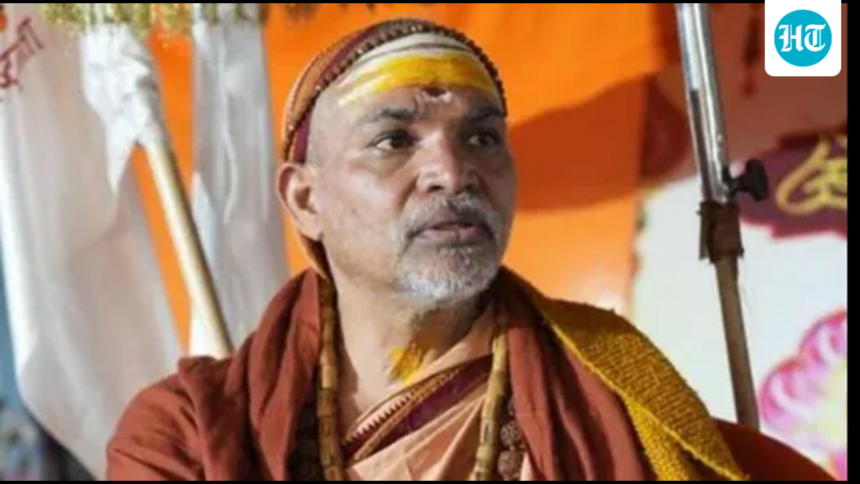
Swami Avimukteshwaranand Saraswati, the Shankaracharya of Jyotish Peth, demanded that the ‘mother cow’ be declared a national animal and a nationwide ban on cow slaughter be imposed. After staging a protest in Lucknow, Shankaracharya, who was booked last month on charges of sexually assaulting two boys, plans to organize an 81-day statewide yatra, starting on May 3 from Chief Minister Yogi Adityanath’s constituency in Gorakhpur, to press for his demands. That’s easier said than done. Adityanath, who is regularly photographed feeding cows, is known for his strict Hindutva policies.
In 2023, the government told Parliament it had no plan to declare the cow the national animal after BJP lawmakers raised the issue, calling the animal an integral part of Indian culture and requesting legislation.
Vigilance has increased, even as 20 of 28 states have laws banning the slaughter or sale of beef. States like Rajasthan and Madhya Pradesh have cattle ministries and cow ministers. There are no restrictions on cow slaughter in states including Arunachal Pradesh and Goa, which are ruled by the BJP.
With elections in Uttar Pradesh less than a year away, will Shankaracharya’s cow yatra make the cow a major issue? Cows are respected. In states like Maharashtra, it is decorated on special days. But so far it has not been used successfully as an election issue.
However, there has been stricter enforcement of the anti-cow slaughter law since the BJP returned to power in Uttar Pradesh in 2017. Until now, this has been a religious and spiritual issue. But it didn’t really bring in the votes. Otherwise, the issue would have figured prominently on the BJP’s poll agenda.
Issues of cow and cow protection have emerged in elections since the 1966 agitation against cow slaughter turned into violence in Delhi. Demands for the protection of the cow and its status as a national animal were raised during the elections, especially in the eastern state of Uttar Pradesh. Baba Jai Guru Dev’s Doordarshi Party was founded in the 1980s and contested elections on the same lines, but failed to attract voters. The party ended in 1997.
The Constituent Assembly discussed the inclusion of a clause in the Constitution for the protection and preservation of the cow before including the matter in the Directive Principles of State Policy, calling for the preservation and improvement of cattle breeds and the prohibition of the slaughter of cows and other useful livestock, especially milking and draft cows and their young. States have passed separate laws to ban cow slaughter.
The courts also considered this issue. In September 2021, the Allahabad High Court said the cow should be considered a national animal while denying bail to a man accused of cow slaughter. He stressed the importance of the cow and noted that Muslims also consider the cow an important part of India’s culture. The Mughal rulers Babur, Humayun, and Akbar banned the sacrifice of cows during religious holidays.