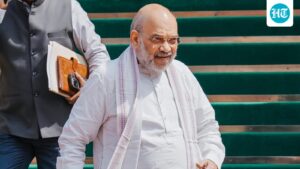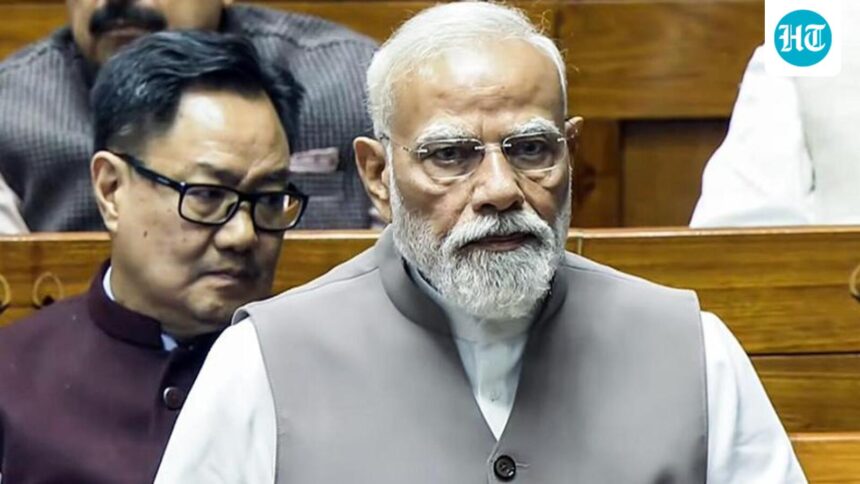
India has more than 53 lakh metric tons of strategic oil reserves, Prime Minister Narendra Modi said on Monday, adding that the country is also working on arrangements for more than 65 million metric tons of additional storage.

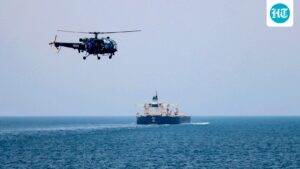
“India has more than 53,000 metric tons of oil in its strategic reserve. We have increased our refining capabilities. We are in touch with other countries to ensure supplies from wherever possible. We are monitoring shipping routes near the Gulf region. Our goal is to ensure that ships carrying oil, gas, fertilizers and other important commodities reach India safely,” he said.
In a statement in Lok Sabha, Prime Minister Modi asserted that the government was “relentlessly trying to minimize the impact of the war on India” and that farmers would not be allowed to bear “the burden of the global crisis”.
Prime Minister Modi said that the negative impact of this situation due to this war “is likely to continue for a long time” while calling on the nation to remain prepared and united, as it was during the Covid pandemic.
Read also: Why PM Modi praised his government’s focus on gasoline in E20 amid the oil crisis caused by the West Asia war
“In terms of diplomacy, India’s position has been very clear. From the beginning, we have expressed our deep concern about this conflict. I have spoken to all West Asian leaders and urged everyone to reduce tension and end this conflict. We have opposed attacks on people, transport and energy. Attacks on commercial ships and erection of obstructions in the Strait of Hormuz are unacceptable.”
In his first parliamentary statement on the Iran war, the Prime Minister said: “In the midst of this war, India is trying to secure the movement of its ships through diplomacy. We have always raised our voice for humanity and peace. I repeat that talks and diplomacy are the only way to end the problem. All our efforts are aimed at reducing tension and ending this war. In this war, threat to any life is not in the interest of humanity. India wants a peaceful solution as soon as possible.”
Prime Minister Modi stressed that the war has led to “unexpected challenges for India in terms of economic situation, national security and humanity.”
He added: “The difficult situation that has arisen due to this war. Its negative impact is likely to continue for a long time. We have to be prepared and united. During the epidemic, we remained united.”
The Prime Minister said: “India has a significant trade relationship with the countries involved in the war and with those affected by the war. A major part of our demand for oil and gas comes from this region. Nearly a million Indians live and work in the Gulf region. There are also a number of Indian seafarers on merchant ships sailing in that region. The situation is alarming. It has been more than three weeks now. It is having an adverse impact on the global economy and people’s lives.”
The Prime Minister said that after the war began, the movement of crude oil, gas and fertilizers through the Strait of Hormuz became very difficult.
“We have made every effort to ensure that petrol and cooking gas supplies are not affected significantly. We all know that we import 60% of the required LPG. Given the uncertainty in supply, the government has prioritized domestic supplies of LPG. We are also working to increase LPG production in the country. We have worked to ensure smooth supply of diesel,” he said.
Modi also noted that efforts for energy security have become more important in the past 10 years.
The Prime Minister mentioned how blending of 20% ethanol led to the import of 4.5 crore barrels of oil annually.
The Prime Minister reiterated that the government is relentlessly trying to minimize the impact of the war on India.
He added: “We know that energy is the backbone of the economy. One of the largest sources of global energy comes from West Asia. Naturally, global economies have been affected by the current situation. We are relentlessly trying to minimize the impact on India. The government is working on short-, medium- and long-term strategies. Today the fundamentals of the Indian economy are strong – which is a big help for the country. We are consulting stakeholders from all sectors, and extending support wherever we read.”
The House of Representatives was also informed of the formation of a joint ministerial group, a daily meeting, and around-the-clock procedures.
He also informed that he had spoken to all the leaders of West Asia and obtained assurances for the welfare of the Indians.
“All our missions are working relentlessly for the sake of Indians living there or tourists. Control rooms and 24×7 emergency helplines have been set up. In times of crisis, our top priority has always been the security of Indians. So far, 3.75 lakh Indians have returned. From Iran alone, more than 1,000 people, including 700 medical students, have returned safely. CBSE has suspended examinations in schools for students abroad,” Modi said.