At least 63.66 lakh names, nearly 8.3% of voters, have been deleted in West Bengal since the start of the Special Intensive Review (SIR) in November last year, bringing the total number of voters in the state down to over 7.04 lakh crore ahead of the Assembly elections scheduled in April, EC officials said on Saturday.

The post-SIR lists, which were released on Saturday after a 116-day exercise and are in the review phase now, show that more than 60,000 voters have been placed in the “under judicial segregation” category. Their fate will be decided by judicial officials in the coming weeks, a process that could further realign equations at the constituency level, news agency PTI reported.
Earlier, the draft lists published on December 16 had already reduced the number of voters from 7.66 lakh crore to 7.08 lakh crore, deleting over 58 lakh names on the grounds of death, migration, duplication and untraceability.
After hearings, scrutiny and disposal of some claims and objections, another 5,46,053 deletions were registered, which now takes the total SIR-related deletions to around 63.66 lakh.
Over 1.82 lakh new voters were added, partially offsetting the deletions.
Officials said that the numbers may witness marginal changes as new listings and objections continue to be processed.
The number is still not final
Earlier in the day, a senior official in the Office of the Chief Electoral Officer told PTI that the EC is likely to delete nearly 8 lakh names in addition to the 58 lakh names removed in the draft lists, taking the total SIR-related deletions in the state to around 66 lakh.
He also said the numbers following the post-SIR publication may not be final, as further inclusions through Form 6 applications and new deletions based on Form 7 objections could change the overall numbers.
A large number of voters, 60.06 lakh, sit in the “under segregation” category, largely due to what officials described as “logical inconsistencies” in their census forms. These names were kept on the lists until they were decided upon.
Of the 7.08 crore names that appeared in the draft lists, around 6.4 crore have been classified as finally ‘approved’ so far.
The Elections Commission maintained that the SIR — the first intensive statewide review since 2002-03 — was a legal “cleaning” exercise aimed at ensuring a “pure and error-free” vote before the major election.
Effect at the granular level
Beyond the overall numbers, data at the provincial and electoral district levels confirmed the scale of the change.
In Bhabanipur constituency, represented by Chief Minister Mamata Banerjee, 47,094 names were crossed out – 44,786 at the draft stage and 2,324 more in final publication – while over 14,000 names remained under adjudication.
The total deletions in the constituency are about 11,000 less than Banerjee’s margin of victory of over 58,000 votes in the 2021 bypoll, the agency noted in its report.
Nadia district, which borders Bangladesh and is often the focus of debates on immigration and Muslim citizenship, saw around 2.73 lakh deletions. The number of voters decreased from 44.18 lakh at the beginning of the SIR to 41.45 lakh in the final lists.
Bankura saw a net decline of about 1.18 lakh names, or about 3%.
A political flashpoint
The scale of the expungements and the large pool of voters subject to adjudication have turned SIR into a political flashpoint in a state headed toward another polarizing contest.
The TMC claimed that “harassment in the name of SIR” had reached extreme levels and warned of political and legal unrest.
The party accused the ruling BJP at the Center of trying to secure electoral gains through deletions, a charge rejected by the saffron camp.
The BJP stressed that parties should compete in elections on the basis of final lists, and political groups should not question the legal review process.
Why mathematics is important
However, beyond the rhetoric lies the calculations of the hotly contested rivalries in Bengal.
In the 2021 House of Representatives elections, several seats were decided by a margin of a few thousand votes.
In border areas such as Nadia and North 24 Parganas, and in tribal and urban belts, demographic shifts and migration patterns have historically influenced outcomes at the booth level.
A swing of 2,000 to 3,000 voters in a close precinct could change the outcome.
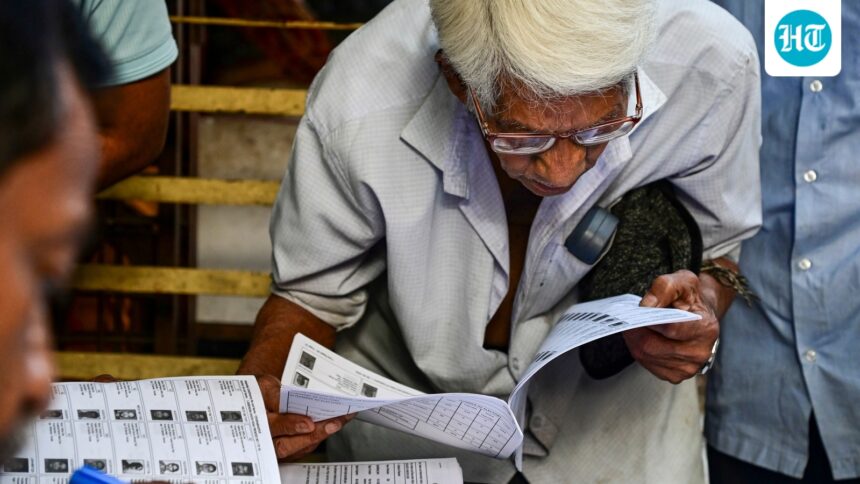
Political parties have intensified checks at the booth level, with cadres studying printed lists, verifying names, and preparing appeals.
The Supreme Court had to intervene and ask convicts, workers and pensioners to help in the process.
(Inputs by PTI, ANI)