

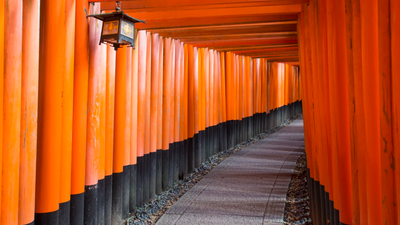
Photo: Japan National Tourism Organization
There are few places in the world as instantly recognizable as the seemingly endless tunnel of magnificent red gates that winds through a forested hillside in Kyoto, Japan. To first-time visitors, it may seem as if an ordinary street has been transformed into a glowing crimson corridor extending into the distance.
In fact, these stunning structures are torii gates, sacred doorways that mark the transition from the everyday world into a space reserved for the Shinto faith. Much more than just a beautiful tourist attraction, each gate represents an act of gratitude, dedication and a cultural tradition that has lasted for centuries. Their vivid colors, impressive numbers, and spiritual symbolism combine to create one of the most photographed and meaningful landscapes in Japan.
What is Japan? Red torii gates Why are there thousands of them?
According to the Japan National Tourism Organization, the famous Red Gates “tunnel” is located at Fushimi Inari Taisha in Kyoto, and is the main shrine dedicated to Inari, the Shinto deity traditionally associated with rice, agriculture, prosperity, business and success.The torii marks the entrance to the Holy Land. Passing under one symbolizes leaving the ordinary world behind and entering a place where the divine is believed to reside.Unlike the single torii found at many shrines across Japan, Fushimi Inari Taisha has about 10,000 gates lined up along several kilometers of mountain trails.
Rather than being built all at once, they were accumulated over many generations through individual donations.According to the official shrine:“Torii gates are dedicated by devotees as a token of gratitude for their wishes being granted or in the hope that their prayers will be answered.”Each donated gate bears the name of the individual, family or company that sponsored it, as well as the date it was donated.
Today, companies from all over Japan continue this centuries-old tradition, believing that honoring Inari will bring prosperity and business success.
Why are torii gates painted bright red and who donates them?
The first thing visitors notice is the striking crimson color of the gates, which is often confused with plain red. In Japanese culture, vermilion has long been associated with protection, vitality, and the ability to ward off misfortune.Historically, the pigment was made using cinnabar, a natural mineral that contains mercury sulfide.
Besides its gorgeous appearance, it was thought to possess preservative qualities that helped protect wooden structures from weathering, insects, and rot.The Japanese Public Relations Office notes that vermilion has traditionally been used in shrines and temples because of its cultural symbolism and practical durability.Each torii in Fushimi Inari is funded through private donations rather than public funds. Individuals, families, and businesses create new portals after an answered prayer or as an expression of continued devotion.
Depending on its size, the cost of sponsoring a gate can range from hundreds of thousands to over a million yen.Because donations continue today, the famous tunnel is not a static monument but a growing trail that reflects centuries of faith and community support.
Why do millions of visitors walk through Japan’s famous Red Gate tunnels?
Although the Vermilion Gates have become one of the most photographed landmarks in Japan, they remain an active place of worship and not just a tourist destination.The mountain trail extends for about a few kilometres, leading visitors past thousands of torii, small shrines, stone fox statues and peaceful forests before reaching the summit of Mount Inari. Foxes, known as kitsune, are considered in the Shinto tradition as divine messengers of Inari and often carry symbolic objects such as the keys to rice granaries in their mouths.The Japan National Tourism Organization (JNTO) considers Fushimi Inari Taisha an important shrine in Japan where millions of people worship every year, especially during New Year celebrations.Passing through an endless number of portals generates the rhythm of a certain visual style. Because of the sunlight shining through the gaps between each torii, the path looks like a lighted tunnel, which is why the shrine has become one of the most famous travel spots in the whole world. However, for some visitors, it’s more than just taking photos; It is a way to meditate through every portal.This seemingly stunning street covered in thousands of crimson gates is actually the embodiment of Japan’s spiritual legacy. Each torii is a symbol of a prayer, a wish fulfillment, or simply a gesture of thanks given to Inari over the centuries. The combination of its vivid colors, symbolic meaning and astonishing size makes the humble mountain road one of the most important cultural landscapes in the world.
Remember, the next time you see photos of this famous “Red Tunnel,” each portal has its own story to tell.