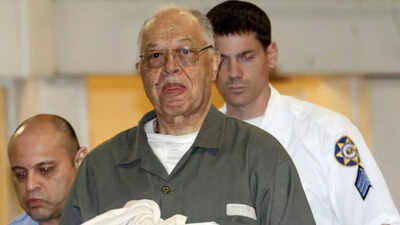
Kermit Gosnell, a former abortion doctor from West Philadelphia, has died at age 85 while serving multiple life sentences. He was recently housed at Smithfield State Correctional Institution, located about 60 miles south of Pittsburgh.Pennsylvania Department of Corrections spokeswoman Maria Bivins said Kermit Gosnell died March 1 at a hospital outside the prison system, according to a New York Post report. The cause of death was not revealed.His name became nationally known after he was convicted in 2013 of killing three babies born alive, along with the death of a patient during surgery.His case has attracted intense attention not only because of its brutality, but also because of how it has fueled a deeply divided debate about abortion in America.
Why did his case shock the nation?
Gosnell ran the Women’s Medical Society clinic, which investigators later described as a “house of horrors.” Authorities who raided the facility in 2010 revealed disturbing conditions, including improperly stored fetal remains, unsterile equipment, and unsafe medical practices.Former employees testified that he routinely performed abortions beyond Pennsylvania’s legal limit of 24 weeks.In some cases, children were allegedly born alive and then killed by cutting their spinal cords, a method he referred to as “sniping.”
A 2011 grand jury report painted a bleak picture, calling the clinic a “baby body house” and noting that many of the alleged crimes could not be prosecuted because of destroyed records.
Conviction and sentence
In 2013, Gosnell was convicted of:
- Three counts of first-degree murder (children born alive)
- Manslaughter (the death of a patient as a result of a drug overdose)
- He was sentenced to life imprisonment without parole. He later also pleaded guilty to federal drug charges related to illegal distribution of prescription drugs, adding another 30-year prison sentence.
Organizational failure and repercussions
One of the most controversial aspects of the case was not only Gosnell’s actions, but also the systemic failures that allowed it to continue for years.The investigators found that:
- State authorities have not inspected abortion clinics for more than 15 years
- Complaints and warnings were largely ignored
- Oversight lapses are due in part to political concerns about restricting access to abortion
In the wake of the scandal, two state health officials were fired, and Pennsylvania tightened regulations and inspection protocols for clinics. Gosnell’s crimes quickly became a flashpoint in the broader debate over abortion, regulation and patient safety, years before the U.S. Supreme Court overturned Roe v. Wade. While abortion opponents cited the case as evidence of serious failures in oversight, abortion rights advocates said it highlighted the dangers of weak regulation rather than legal access itself.