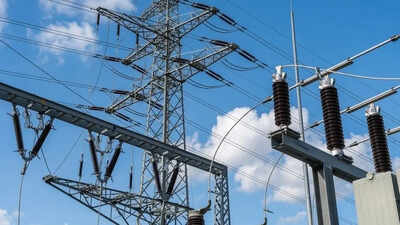
UK proposes major electricity pricing reforms to boost renewable energy sources / Image: File
The UK government is moving ahead with a comprehensive overhaul of the electricity pricing system, aiming to break the long-standing link between gas prices and household energy bills. At the heart of these efforts are the Department of Energy Security and Net Zero, which say the current system unfairly links electricity costs to volatile global gas markets, even when cheap renewable energy is widely available.Energy Secretary Ed Miliband has backed the reforms as a “once-in-a-generation opportunity” to reset how electricity is priced, arguing that the shift will help the UK deliver cleaner, safer and ultimately cheaper energy.Under the current model, gas-generated power often determines the price of all electricity. This means that even when wind or solar generates cheaper energy, consumers will end up having to pay more. The government wants to change that by giving renewable energy sources a greater role in setting prices.
Will electricity prices rise or fall?
This is a question that is generating debate across the UK, and the answer is not clear.In the short term, prices can remain volatile or even rise slightly as the regime shifts. Industry experts and regulators such as Ofgem have warned that redesigning the market, upgrading infrastructure and introducing new pricing models will take time and investment.But the government insists that the long-term picture looks very different.
Officials say that once the reforms are fully implemented:
- Cheap renewable energy will directly impact bills
- Dependence on expensive gas imports will decrease
- It is possible to reduce price shocks associated with global crises
One of the main proposals under discussion is “zonal pricing,” where electricity costs would vary by region depending on local supply and demand. While this may lead to lower prices in energy-rich areas (such as those with strong wind generation), it has raised concerns that some areas may end up paying more.The Department for Energy Security and Net Zero stresses that consumer protections will be included, but critics say the system could create regional disparities if not carefully managed.
How would the new system work?
Reforms are still under consultation, but the trend is becoming clearer. The government wants to expand long-term, fixed-price contracts for renewable energy projects so developers have greater certainty about returns. At the same time, it wants to reduce the role gas plays in setting electricity prices, allowing cheap wind and solar power to influence what consumers actually pay.Another idea now being explored is a regional or “rational” pricing system, where electricity costs reflect local supply and demand rather than a single national average.
Besides, ministers are trying to launch more private investments in clean energy, especially wind and solar, by creating a more stable and predictable market.Officials at the Department for Energy Security and Net Zero believe these changes could accelerate the UK’s transition to renewable energy sources. Analysts agree that there is potential to attract billions in investment, but only if the final system is simple, transparent and reliable enough for long-term planning.
What do experts warn about?
Despite the ambition behind the reforms, concerns are growing across the energy sector. Some experts warn that introducing more complex pricing systems could make it difficult for households to understand bills, especially if regional pricing is adopted.There are also concerns within the industry that investors may hesitate if policy details remain unclear or if returns become less predictable. Extensive infrastructure upgrades will be needed to support a renewable energy-intensive grid, and these changes may take years before consumers see real benefits.National Grid has already indicated the scale of the transformation required, stressing that major grid improvements will be necessary to make the system work efficiently. Meanwhile, economists warn that if reforms are not carefully designed, they could raise costs in the short term or shift financial risks to energy companies rather than reduce them.