
“Misleading and false”: The UAE denounces the Bloomberg report on air defense systems
Amid the ongoing conflict between the United States, Israel, and Iran and growing security concerns in the Gulf region, the UAE Foreign Ministry strongly rejected a recent report from Bloomberg, calling the article’s claims about the UAE’s defense capabilities false and misleading.
The ministry’s statement underscores the broader efforts made by the UAE authorities to control the national security narrative and enhance public confidence in official defense preparedness.The Bloomberg report had indicated that the UAE, along with some regional partners, may be struggling to sustain air defense and was pressing allies for support amid severe regional tensions. The UAE Ministry of Foreign Affairs categorically denied these allegations, stressing that the article misrepresented the country’s readiness, technological development, and operational preparedness.
What the UAE says it already has
In its official response, the UAE highlighted several key points about its military and defense stance. The country has diverse, integrated and multi-layered air defense systems capable of countering threats across a wide range of scenarios. These systems include long-, medium- and short-range systems designed to protect national airspace and major population centers.The UAE maintains a robust strategic stockpile of munitions and interception assets, ensuring its ability to sustain defensive operations over long periods without compromising national security.
The Ministry confirmed that operational preparedness is sound, with fully equipped systems to detect, intercept and respond to air threats. He added that the comprehensive framework of national security remains firm and non-negotiable.

Why did the UAE publicly rebuke Bloomberg over national security coverage?
By emphasizing these points, the UAE sought to reassure residents and international observers alike that its defense posture is not only sophisticated, but also resilient in the face of regional fluctuations.
The UAE mocks journalistic responsibility during crises, especially the American-Israeli-Iranian war
The Ministry did not stop at refuting the facts, but rather issued a broader call for responsible journalism. She stressed that news organizations must verify sensitive information from official sources before publishing, especially in the context of rapidly evolving security situations.With global audiences closely monitoring developments in the Middle East, the UAE’s response highlights the growing tension between government narratives and independent media reporting.
Allegations that official sources were not consulted before publication sparked particular outrage, leading the department to frame its rebuttal as a reminder of the ethical standards expected in reporting on defense and national security.The United Arab Emirates was not alone in its decline. Qatar’s International Media Office also rejected similar assertions about its defense capabilities, including comments claiming its stock of interceptor missiles was limited, describing them as “completely irresponsible” and stressing its full readiness to defend against air threats.
The two Gulf states’ response came amid escalating regional tensions involving frequent missile and drone launches by Iranian forces in response to US and Israeli military actions, raising the risks of obtaining accurate public information.The UAE’s strong response serves several strategic purposes. By challenging the narrative of a weak or tense defensive posture, authorities aim to boost public confidence and calm anxiety during a period of heightened alert.
Clarifying details of capabilities strengthens the UAE’s position as a safe and stable country with advanced defense technology and readiness.
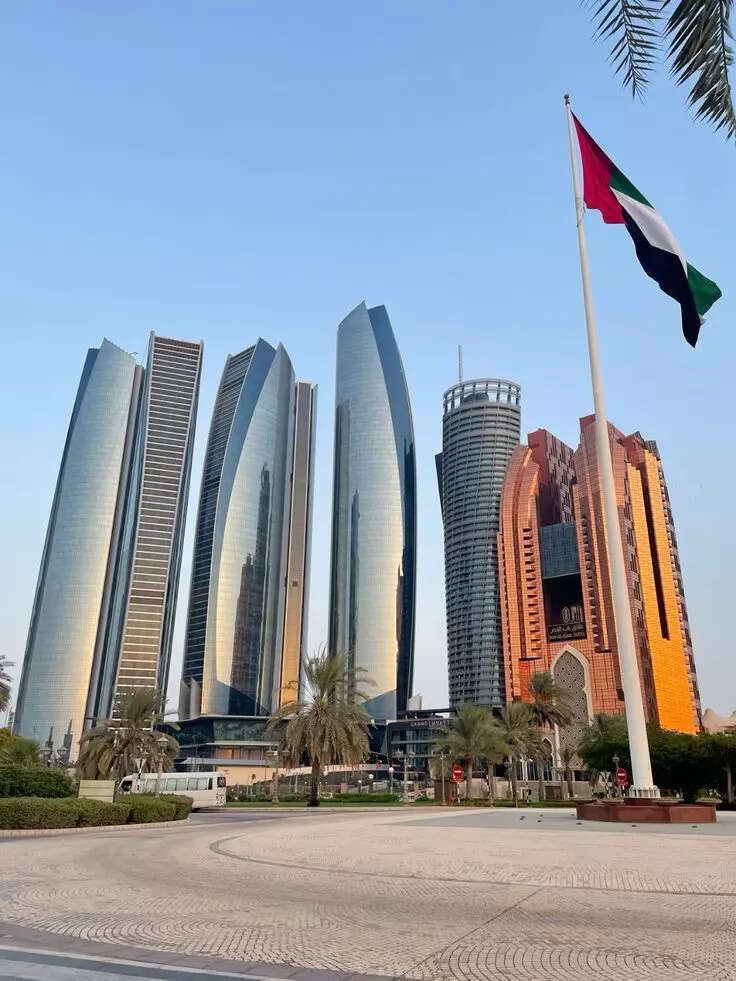
Amid tensions between Iran, the United States and Israel, the UAE responds to the Bloomberg article
The call for responsible journalism signals to the global media that the UAE will not tolerate unverified reporting that could influence opinion or policy. Amid military tensions that have affected geopolitical stability, travel, markets and public confidence across the Middle East, the UAE’s statement is as much about strategic messaging as it is about correcting the record.The UAE Foreign Ministry flatly rejected Bloomberg’s report on its defense capabilities, describing it as inaccurate, baseless and misleading. The country emphasized its advanced, multi-layered air defense systems and sustained interception capabilities. Officials stressed the need for responsible journalism, especially when reporting on sensitive national security matters.Qatar echoed parts of the UAE’s response, and also rejected allegations regarding depleted defense stocks. In a region where information can shape public sentiment and strategic positions, the UAE’s strong rebuke underscores the importance governments place on controlling narratives about national security.