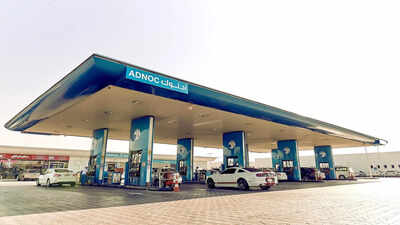
Fuel costs in the UAE have risen again with petrol rising almost 50% since February 2026 / Image: File
For thousands of motorists across Dubai, Abu Dhabi, Sharjah and the rest of the UAE, June began with a familiar routine: checking fuel prices before heading to the gas station.But this time, the numbers are much higher.The UAE Fuel Price Committee has announced another increase in petrol prices for June 2026, raising fuel costs to their highest levels in nearly four years and continuing a sharp upward trend that has been climbing for months.Under the new prices, effective June 1, the price of Super 98 gasoline is 3.95 dirhams per liter, compared to 3.66 dirhams in May. The price of Special 95 rose to 3.83 dirhams per liter from 3.55 dirhams, while the price of E-Plus 91 is now 3.76 dirhams per liter, compared to 3.48 dirhams last month.
However, the price of diesel fell to 4.33 dirhams per liter from 4.69 dirhams.The latest adjustment means that petrol prices have now risen for four consecutive months, putting additional pressure on the budgets of households, daily commuters, transport operators and businesses that rely heavily on road travel.
May vs June 2026
| Fuel grade | Price for May 2026 (AED) | Price June 2026 (AED) | change (fils) | Percentage change on a monthly basis |
| Super 98 | 3.66 | 3.95 | +29 | 7.92% |
| Special 95 | 3.55 | 3.83 | +28 | 7.89% |
| E-Plus 91 | 3.48 | 3.76 | +28 | 8.04% |
| diesel | 4.69 | 4.33 | -36 | -7.68% |
The increase in June pushed gasoline prices to levels close to levels last seen during the global energy crisis sparked by the Russia-Ukraine war in 2022.
The latest figures place petrol prices in the UAE at their highest levels since August 2022, when prices crossed the Dh4 per liter mark during the global oil shock caused by geopolitical tensions and supply disruptions.What is even more surprising is the pace of increase since the beginning of the year.In February 2026, the price of Super 98 gasoline was only 2.45 dirhams per liter. Four months later, the price of the same grade of fuel is now Dh3.95, representing an increase of more than 60 per cent in a relatively short period.
What’s driving fuel costs up?
The sharp rise in fuel prices in the UAE reflects the ongoing fluctuations in global energy markets.Oil prices have risen in recent months after conflict in the Middle East disrupted shipping activity through the strategically important Strait of Hormuz, one of the world’s busiest energy transit routes. Nearly a fifth of the world’s oil supply passes through the waterway, making any disruption a major concern for energy markets.Brent crude oil rose above $110 a barrel during periods of heightened regional tensions before retreating slightly as diplomatic efforts reduced some immediate fears of broader disruption. However, prices remained high throughout most of May, which directly impacted June fuel prices in the UAE.Khaleej Times quoted analysts as saying that concerns about supplies, shipping restrictions and geopolitical risks continue to put pressure on global oil markets.Physical oil markets remain tight due to ongoing restrictions around shipping activity and broader regional security concerns, said Vijay Valecha, chief investment officer at Century Financial.The fuel adjustment also comes shortly after the UAE’s historic decision to leave OPEC and OPEC+ in May 2026 after more than six decades of membership. While the direct impact on domestic fuel prices remains limited, energy analysts are closely monitoring how future production policies could impact oil markets.
Why do fuel prices change in the UAE every month?
The UAE has followed a market-linked fuel pricing system since 2015, when authorities ended government fuel subsidies and linked domestic gasoline prices more closely to global oil market movements.Under this system, the UAE Fuel Price Committee reviews prices every month based on global crude oil trends, refining costs, distribution expenses and broader market conditions.This means that UAE motorists often experience fuel price movements with little delay because the monthly adjustments reflect previous global market averages rather than direct daily fluctuations in oil prices.While diesel users will benefit from a notable decline this month, petrol drivers face another round of increases as summer travel activity begins to pick up across the Emirates.Right now, the main question facing motorists is whether June marks the peak of fuel price hikes or is just another step in a period of continued volatility. Much will depend on global crude oil prices, shipping activity through the Strait of Hormuz, and geopolitical developments across the broader Middle East in the coming weeks.