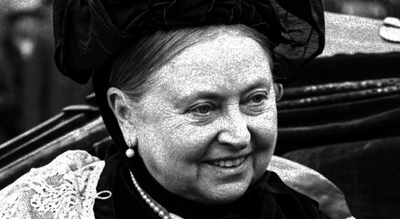
A new book claims Queen Victoria used cocaine, hashish and laudanum during Britain’s global opium trade.
Queen Victoria is often remembered as a symbol of an industrious, moral era in British history. However, the global economic machinery operating under her included one of the most controversial trades of the nineteenth century: the export of opium from British-controlled India to China. Historians have long studied how the opium trade in the British Empire reshaped global trade, sparked conflict with China and became deeply intertwined with imperial finances. In his book 2025 The Human History of Drugs: A completely scandalous but completely honest look at history under the influence of drugsauthor Sam Kelly reconsiders the scale of this system and the role the Victorian Empire played in maintaining it. Meanwhile, Kelly points out that Queen Victoria, the queen who presided over the empire during its expansion, also lived in a period when many drugs now considered illegal were widely used as medical treatments.
The young monarch and the drugs she used
Queen Victoria ascended the throne in 1837 when she was only eighteen years old, inheriting an empire that already stretched across Asia, Africa and the Americas. She also lived in an era when many strictly controlled substances were treated as ordinary medicine. As Sam Kelly notes in his book A Human History of Drugs, the young king regularly used many pharmaceutical preparations that Victorian doctors considered quite respectable.
One of the most popular remedies of the period was laudanum, a mixture of opium and alcohol prescribed to treat everything from pain and anxiety to general fatigue. The Queen began many mornings with it, Kelly writes, noting that “Queen Victoria drank a large dose of laudanum every morning.” At the time, laudanum was so widely accepted that it appeared in medicine cabinets all over Britain, and was recommended even for children suffering from teething pain.
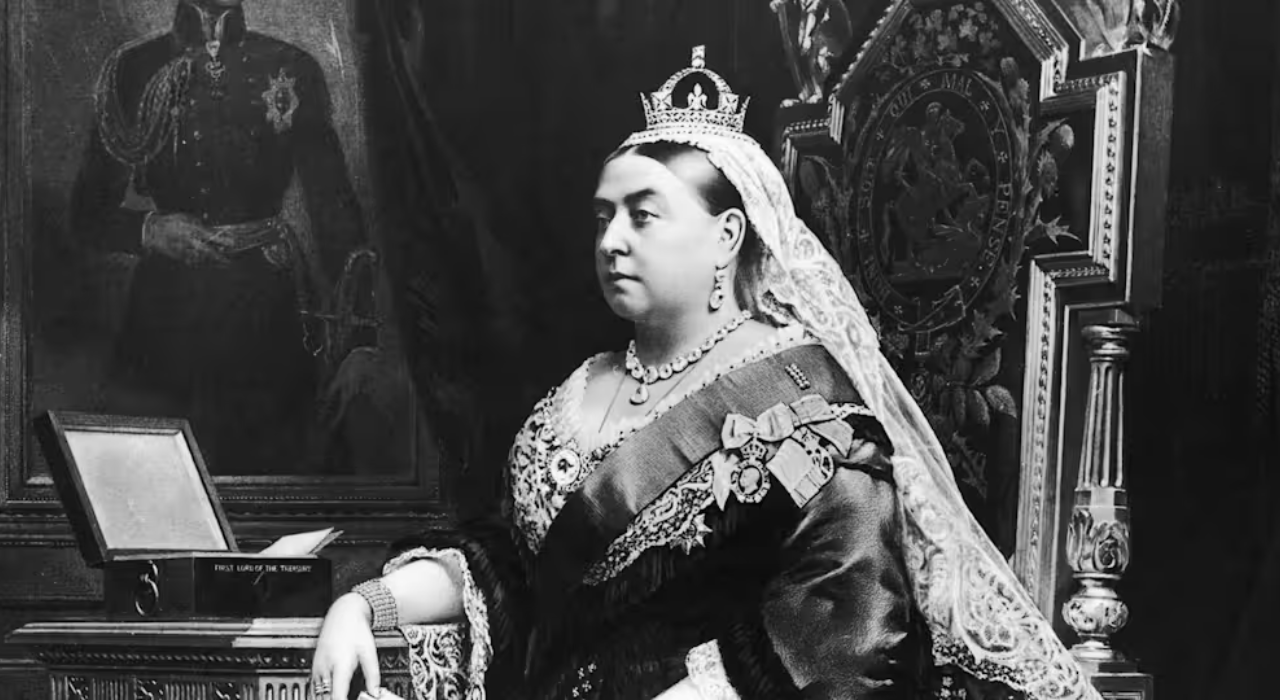
Queen Victoria Hulton Archive/Getty Images
Victoria also experimented with cocaine, which had only recently entered European medicine and not yet been criminalised. In the late 19th century, it was marketed as a stimulant tonic, and Kelly describes it as providing “a powerful boost of self-confidence.” The Queen reportedly consumed it in forms such as chewing gum or wine, which were fashionable drug preparations at the time.Other substances entered her life through medical advice.
Her doctor prescribed liquid cannabis to help relieve menstrual pain, while chloroform was used during childbirth after it was introduced as an anesthetic in the mid-19th century. Victoria accepted the treatment enthusiastically. After inhaling chloroform during labor, she described the sensation as “very pleasant.”Given these habits, historian Tony McMahon, writing in Smithsonian Magazine, summed up the king’s relationship with pharmaceuticals rather bluntly: “I think Queen Victoria, by all accounts, loved her drugs.”
Tea addiction in Britain and the search for a commercial solution
While Victoria’s personal drug use reflects the medical standards of the period, the much larger story concerns the economic relationship between Britain and China. During the early 19th century, Britain imported large quantities of Chinese tea, which became a staple in households across the country. According to Kelly, this demand has created a severe trade imbalance. He writes that the average family in London was spending about 5% of its income on Chinese tea, and sending large quantities of silver to China because Britain had little that the Chinese markets wanted in return.
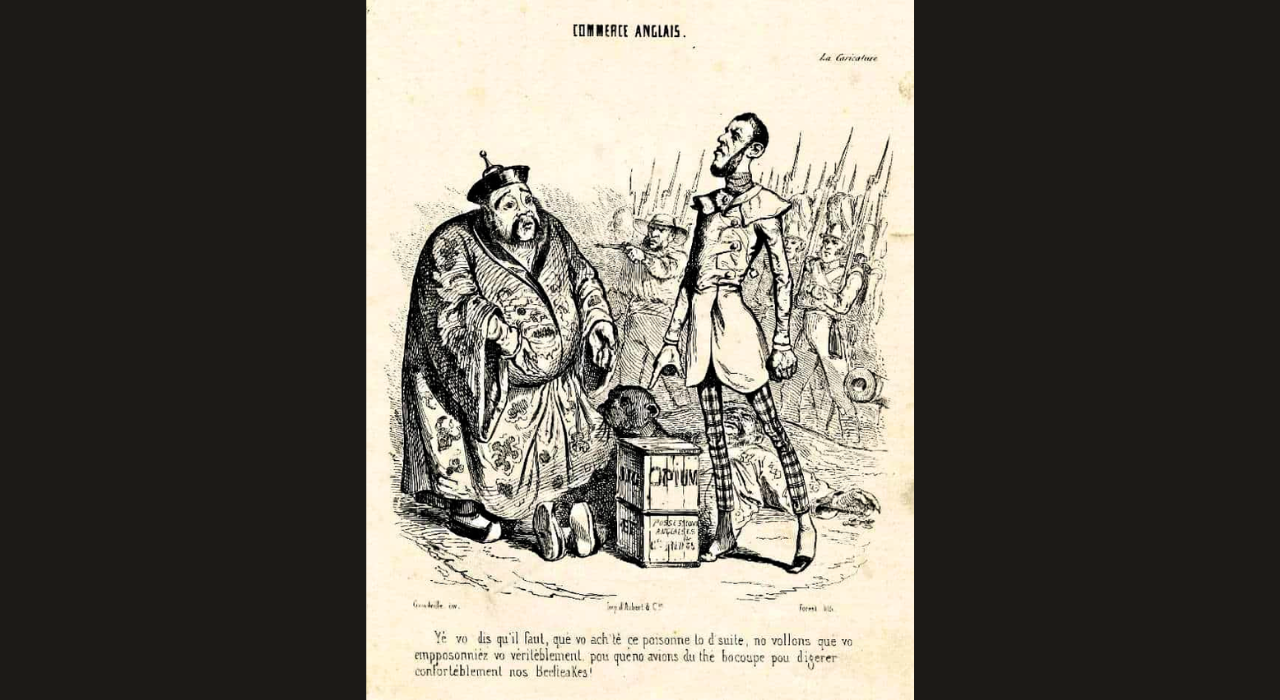
French satire featuring an Englishman ordering the Emperor of China to purchase opium. A Chinese man lies dead on the ground with soldiers in the background. The text says: “You should buy this poison immediately. We want you to completely poison yourself, because we need a lot of tea to be able to digest our beef steaks.”
The British merchants’ solution was opium. This medicine was grown in India under British control, particularly under the economic influence of the East India Company, which controlled much of the agricultural production in the region.
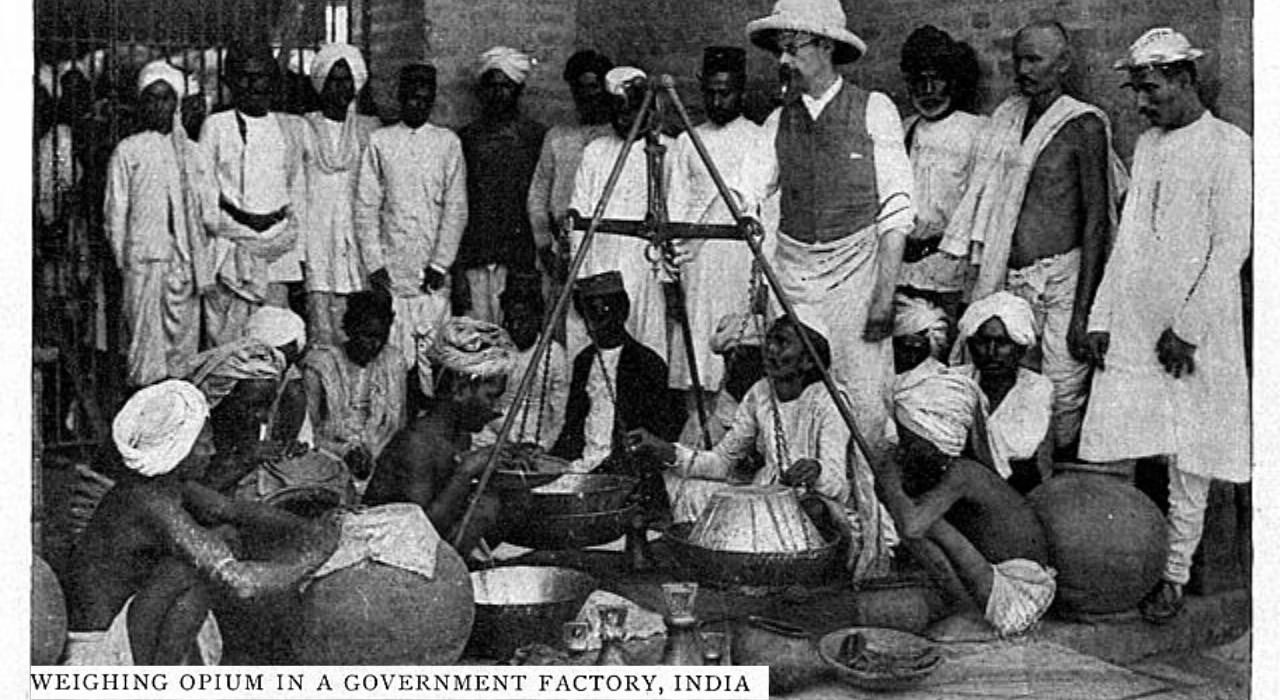
A class of opium growers weighing opium in an Indian factory Wikimedia Commons
Opium was highly addictive and widely used as a painkiller, making it highly valuable in Chinese markets. Kelly explains that Britain had been exporting opium to China for years, but the trade expanded dramatically during the Victorian era.
“China had to return all the silver the British had spent on tea, plus a much larger sum,” Kelly writes. Now it is China, not Britain, that suffers from a devastating trade deficit. At its peak, the opium trade generated between 15% and 20% of the British Empire’s annual revenue, making it one of the most profitable trading systems associated with the imperial economy.
China’s attempt to stop the opium trade
Chinese officials increasingly view the growing opioid addiction crisis as a national emergency. The Qing Emperor appointed a senior official Lin Zexu (Zi-hsu), a scholar and imperial commissioner, to suppress the drug trade. Lin tried to resolve the crisis diplomatically. He wrote a letter to Queen Victoria arguing that China was exporting useful goods, including tea, silk and porcelain, while Britain was sending addictive drugs that were harmful to Chinese citizens.
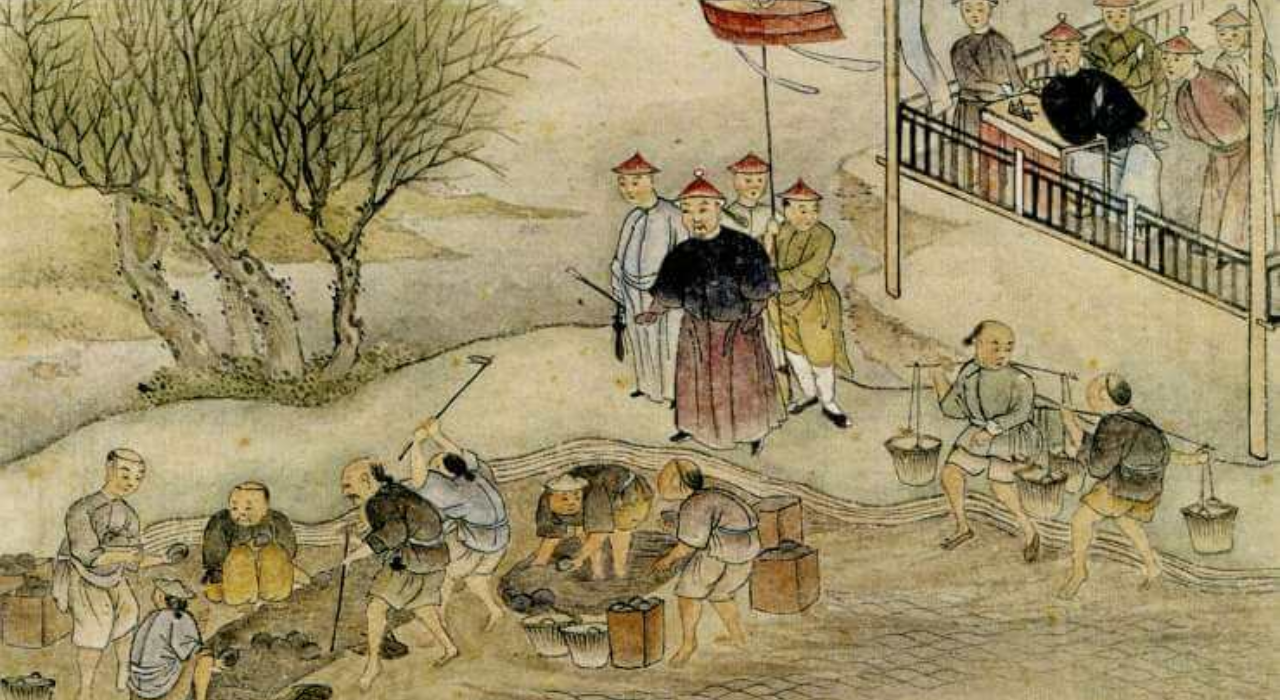
Confiscation and destruction of opium by order of Lin Tse Hsu/Photo: Historic UK
Lin wondered why Britain was exporting “toxic medicines” to China. An appeal failed to stop the trade.
Triggered seizure First Opium War
In 1839, Lin Zexu stepped up enforcement efforts against foreign merchants. He ordered the confiscation of large quantities of opium from British merchants working in Chinese ports.According to historical accounts cited by Kelly, the confrontation escalated dramatically in 1839 when Chinese authorities seized a huge shipment of British opium. Under the orders of Imperial Commissioner Lin Zexu, some 2.5 million pounds of drugs were confiscated, publicly destroyed, and dumped into the South China Sea in an attempt to stop the illicit trade that had flooded the country with addiction.This move provoked a rapid response from Britain and soon led to the outbreak of the First Opium War (1839-1842). British naval and military forces eventually defeated Qing China, forcing the imperial government to accept Treaty of Nanking (Nanjing). Under its terms, China was forced to hand over Hong Kong to British control, open several additional ports to foreign trade and grant British citizens working in the country special legal protection under extraterritorial arrangements.
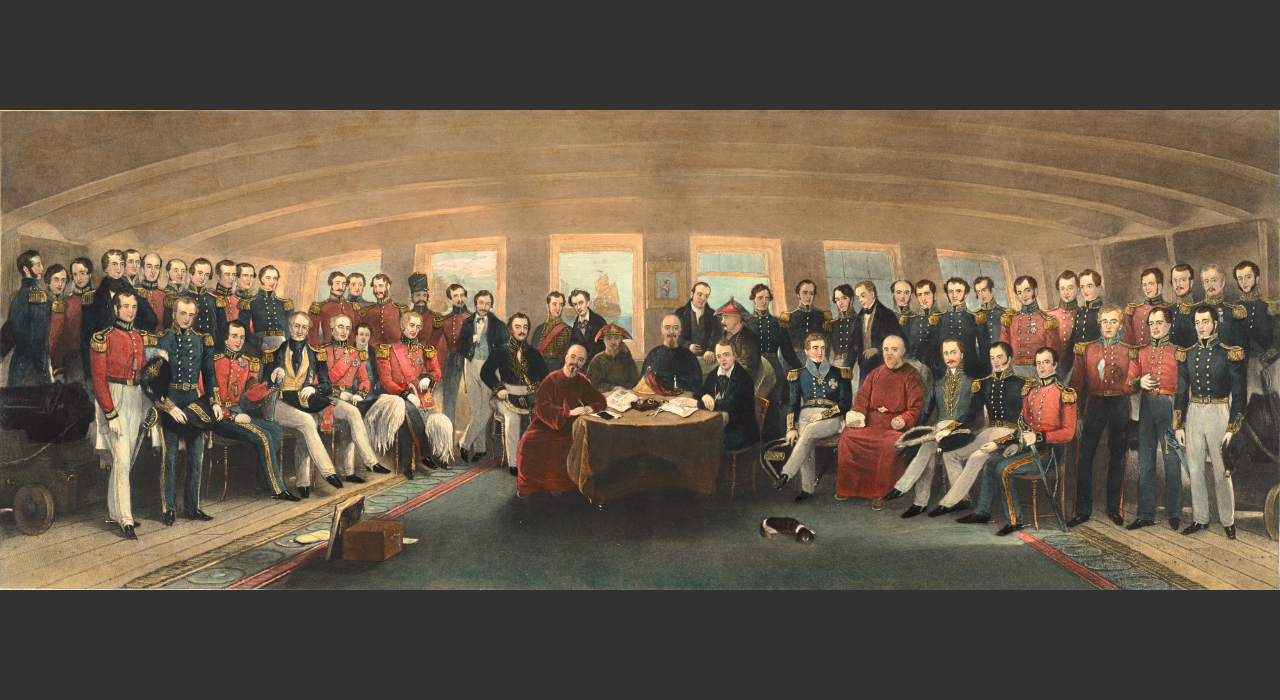
The Treaty of Nanking was signed on August 29, 1842, aboard HMS Cornwallis in Nanjing, officially ending the First Opium War between Britain and the Qing Dynasty.
For China, the consequences extend beyond the treaty itself. The conflict exposed the military weakness of the Qing Empire and marked the beginning of a long period of foreign interference and political pressure by Western powers, a period later described by historians as the beginning of China’s “century of humiliation.”
Empire, medicine, and the contradictions of the Victorian era
Historians generally suggest that the opium trade was not directed personally by Queen Victoria, but was conducted through the wider machinery of the empire, merchants, colonial administrations and the powerful East India Company which controlled large parts of India’s economy.However, this period reveals a striking historical contradiction. While Victorian Britain gained a reputation for strict social values at home, the empire was simultaneously benefiting from a global drug trade that reshaped transcontinental trade and diplomacy.
Was the beloved Queen Victoria a drug addict? 🤔 Historic Royal Palaces | Smithsonian Channel
Kelly also notes an unusual ambivalence in Victoria’s attitudes toward drugs. While the British Empire continued to export large quantities of opium to China, the Queen believed that cocaine was a harmless stimulant, and refused to allow it to be included in the trade. As Kelly put it, she was willing to sell China “all the opium in the world,” but “they wouldn’t touch her cocaine.”