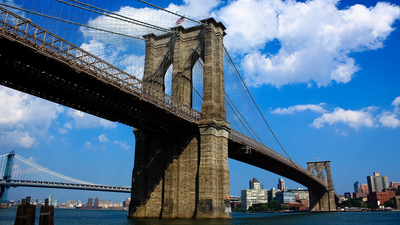
View from Manhattan towards Brooklyn, 2009/Wikipedia
Under the Brooklyn Bridge, a stretch of boarded rooms, long closed to the public, has unexpectedly become part of New York City’s latest budget battle. City council members are now proposing to rent out these hidden vaults to raise revenue, pitching the idea as a way to close a multi-billion-dollar gap without raising taxes, in direct contrast to Mayor Zahran Mamdani’s approach.
Hidden assets under the bridge
The spaces in question are located within the bridge’s stone anchors, a network of vaults and rooms spanning approximately 13,000 square feet. Once used for art galleries, it has remained largely closed since 2001, and is currently used as what officials described as a “glorious parking garage” for city-owned vehicles.
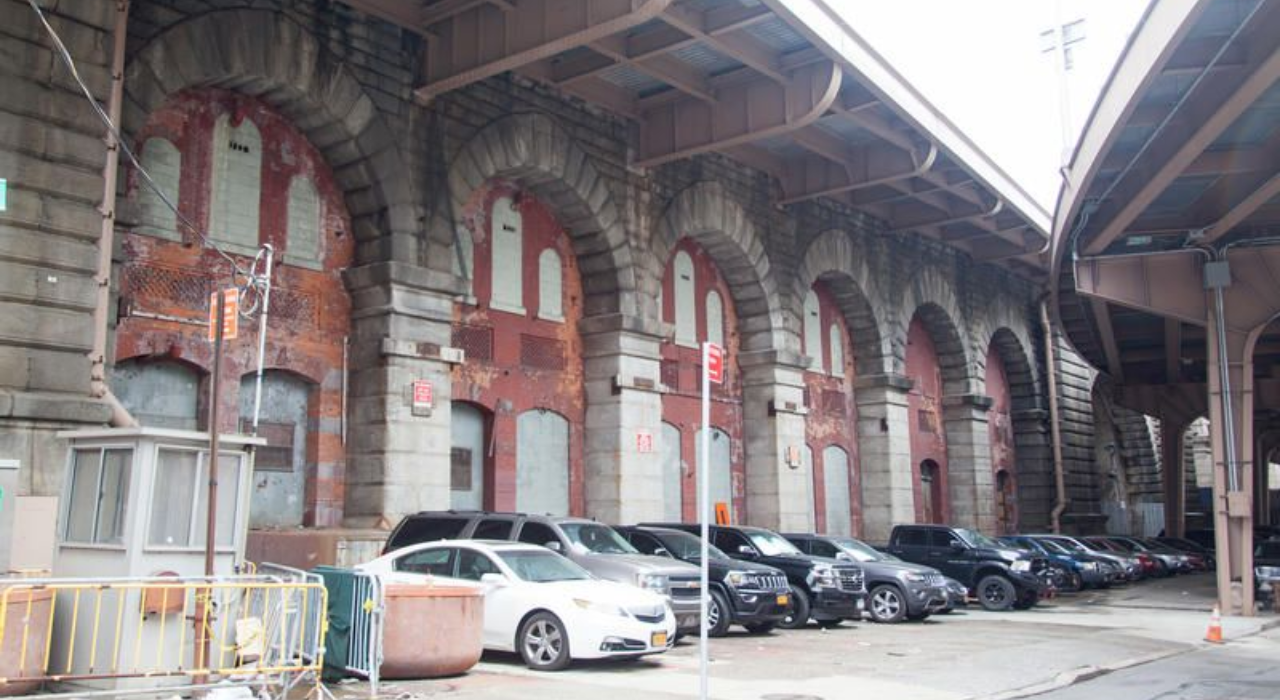
Image: untappedcities.com
Some of these vaults also carry historical layers: During the 1960s, parts of the space were set up as nuclear fallout shelters.
The council’s proposal would change that, by converting the vaults into rentable, potentially commercial, and possibly mixed-use units, to generate income from the space that currently brings in no income.
A $17 million idea, increasing revenue on a larger scale
The proposal forms part of a $127 billion alternative budget introduced by the New York City Council on April 1, which is positioned directly against Mayor Zahran Mamdani’s initial spending plan.Under council estimates, leasing the Brooklyn Bridge vaults at average Manhattan rental rates could bring in nearly $17 million annually, with revenues potentially starting as early as fiscal year 2027.
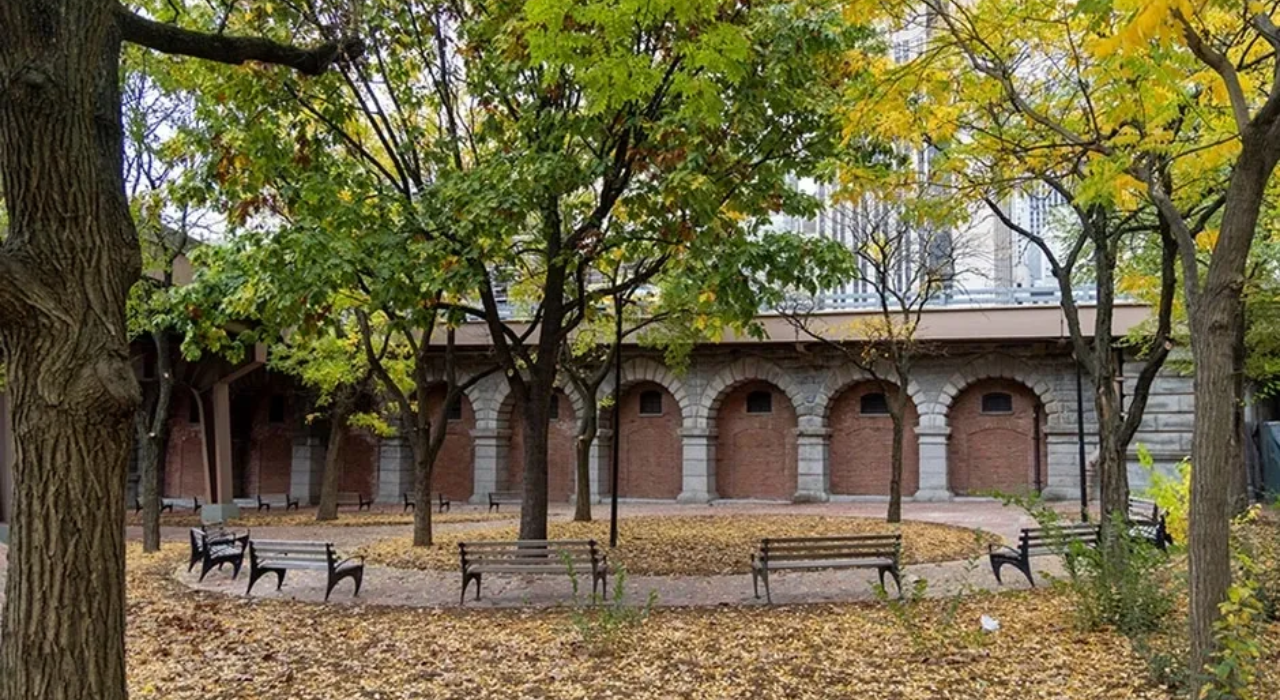
Part of the public park under the Brooklyn Bridge/Photo: gothampark
The idea falls within a broader package of so-called “revenue improvements” totaling $529 million. Along with bunker rents, the council proposed increasing berthing fees at the city’s 15 marinas, rates that have not been raised since 2012, with the goal of generating about $1 million annually from yacht owners.It also proposed expanding “destination concessions” into underutilized park spaces, including food courts, bars and seating areas, which could generate nearly $10 million annually.
The city already operates about 400 of these franchises, from established places like Tavern on the Green to small kiosks and food stands.
The politics behind this proposal
At the heart of the plan is a deeper disagreement over how to manage New York City’s finances.Mayor Mamdani faces a projected $6 billion budget deficit, and has floated a “tax the rich” approach, including potential tax increases on high-income residents earning more than $1 million a year, homeowners, and profitable businesses, along with drawing from reserves.However, the City Council positioned its plan as a direct alternative, arguing that the city could stabilize its finances without raising taxes, cutting services, or relying on emergency funds.
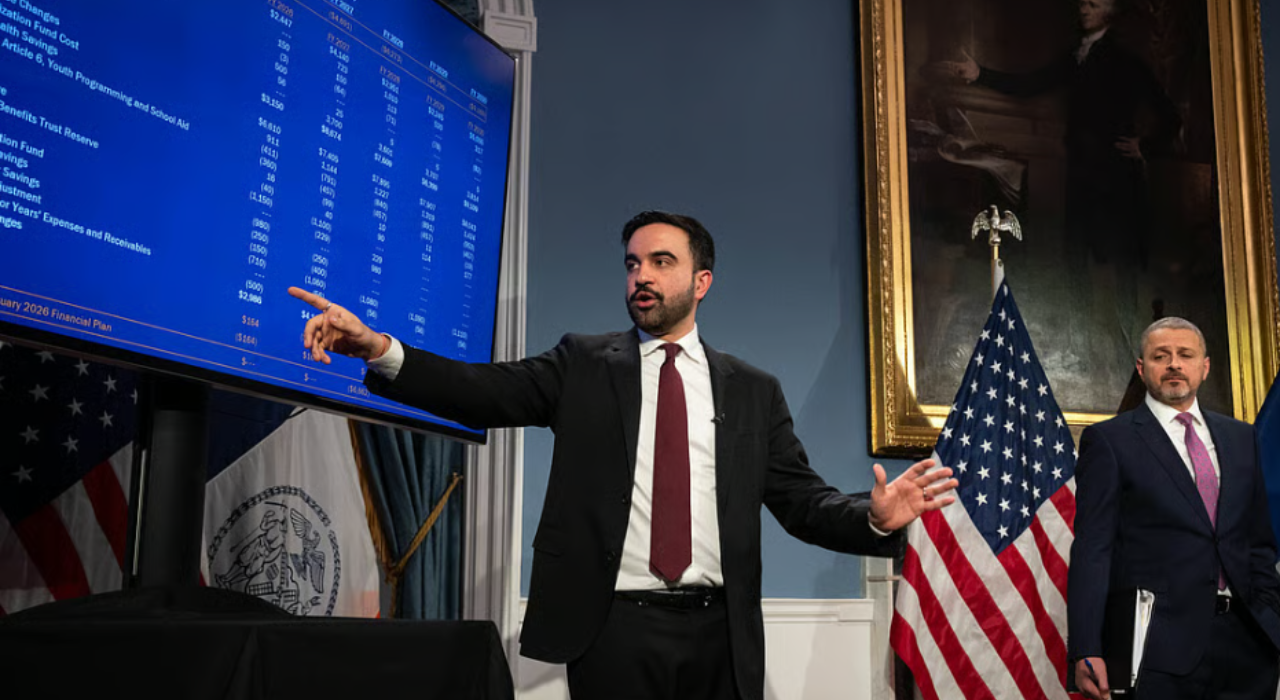
Zahran Mamdani proposes raising taxes on high-income earners, corporations and homeowners to close budget gap/Photo: New York City Mayor’s Office Photography via Daily Tribune
“The Council is establishing an alternative path that the City can follow, providing the necessary resources to fund all spending priorities without having to resort to raising taxes, cutting funding for critical services, or drawing from reserves,” the council said in its official response. “We cannot in good conscience fund the city’s needs at the expense of homeowners or renters, by digging into emergency reserves, or by cutting essential programs,” said Councilwoman Julie Menin, who worked closely on the proposal.She added that the council’s approach “returns the city to a stable position and invests directly in New Yorkers.”
A broader plan to bridge the gap
Along with the new revenue streams, the council says it has identified $3.5 billion through revised revenue projections and spending adjustments, including higher-than-expected income from building permits and savings from vacant city positions, along with an additional $2 billion in agency efficiencies.The proposal also seeks to restore funding for programs that were reduced or eliminated in the mayor’s initial budget, including libraries, cultural institutions, City University of New York (CUNY) initiatives, and legal services for housing and domestic violence issues.It also identifies new investments such as expanding the Fair Prices Program to fully subsidize public transportation for low-income residents and increasing college savings support for public school students.
What will happen next?
For now, the Brooklyn Bridge vault plan remains just a proposal. It still needs approval and further planning before any leasing can begin. But it shows how much new revenue the city will generate. Indoor venues have now been seen for decades as a way to bring in money, driven by budget pressures.