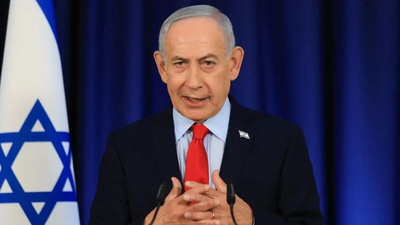
 In his first statements since the extension of the truce, Netanyahu said he had an “excellent conversation” with US President Donald Trump, and credited Washington’s continued pressure on Iran and close coordination with Israel.Netanyahu said: “I promised you that we would change the face of the Middle East, and that is exactly what we are doing… He is putting very strong pressure on Iran, economically and militarily. We are working in full cooperation.”
The ceasefire has been extended, and tensions continue
These statements come after Trump announced the extension of the ceasefire between Israel and Lebanon for three weeks after talks with senior officials from both sides.“They agreed to three more weeks…no more shooting,” Trump said, warning that Hezbollah remained a major concern.US Vice President J.D. Vance called the extension a “major historic moment,” while Secretary of State Marco Rubio said it would provide more time to work toward a lasting peace.
Hezbollah rejects the truce and clashes continue
Despite the extension, facts on the ground remain tense. Hezbollah rejected the ceasefire, describing it as “meaningless” due to the ongoing Israeli military operations, according to what Reuters reported.“It is clear to us that Hezbollah is trying to sabotage this,” Netanyahu said, adding that Israel would retain “full freedom of action” against threats.According to Reuters, Israeli strikes and Hezbollah’s response continued in southern Lebanon, even after the truce entered into force.
Lebanese authorities announced casualties in recent air strikes, while Hezbollah also claimed to have shot down Israeli drones.
The fragile calm in the wider midst Regional conflict
The ceasefire reduced widespread hostilities but did not stop sporadic violence, with Israeli forces maintaining a “buffer zone” inside southern Lebanon, according to Reuters.Netanyahu reiterated Israel’s security stance, saying: “We attacked yesterday and we attacked today.
We are determined to restore security to the people of the north.”The truce in Lebanon is unfolding alongside broader regional tensions linked to the Iranian conflict, complicating diplomatic efforts. While the United States has expressed optimism about a possible breakthrough, the ongoing clashes on the ground underscore the fragility of the ceasefire.With the exchange of accusations between the two sides and the continuation of military actions, the prospects for reaching a permanent agreement remain uncertain despite the temporary cessation of fighting.