Nepali candidates began campaigning on Monday (Feb 16, 2026) for next month’s parliamentary elections, the first since deadly anti-corruption protests toppled the previous government in 2025.
In the key battleground of Jhapa-5 – a constituency in Nepal’s eastern plains with the world’s tallest peaks on the horizon – the fierce political battle that will dominate the campaign is already heating up.
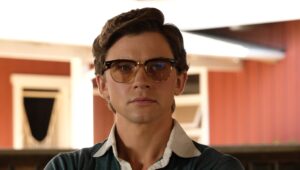
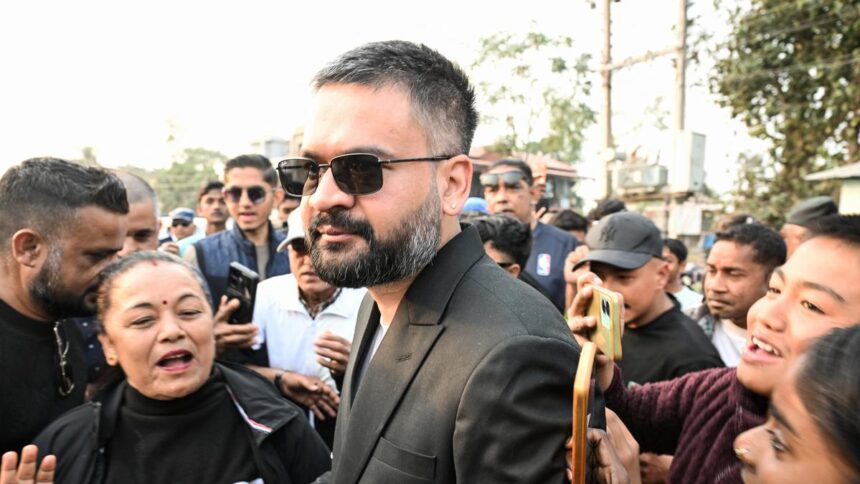
The bid to return to power by the ousted former prime minister – 73-year-old Marxist leader KP Sharma Oli – is being challenged on home soil by 35-year-old mayor Balendra Shah, who has become a symbol of youth-driven political change.

Mr. Both Oli and Mr Shah started campaigning in Jhapa on Monday (Feb 16, 2026), wooing voters to their cause. “This country needs KP Oli,” said Hima Karki, a 66-year-old resident of Jhapa AFPone of 163,000 voters in the constituency, a mix of towns and agricultural settlements. “He is the savior of the race, from here on his victory is assured.”
Others expressed doubts about Mr Oli’s return to power. “Only the youth can bring change,” said Chhabi Khativoda, a 33-year-old Jhapa resident who switched his support from Mr Oli to Mr Shah, who joined the fourth-largest Rashtriya Swatantra Party (RSP) in the last parliament.
“It is high time for all of us to become politically aware and work for a new Nepal.” Youth-led protests in September were sparked by a brief social media ban, but fueled by anger at economic stagnation and aging elitism.
Over two days in September, 77 people were killed, scores were injured, hundreds of buildings were torched – including parliament, the courts and the Hilton Hotel – and Mr Oli was ousted. It was the Himalayan nation’s worst violence since a decade-long civil war ended in 2006.
“This election will be about the future of the country,” Sushila Karki, who is serving as caretaker prime minister until the March 5 vote, said before the start of the campaign.
Young and old
New, young candidates in the two-week campaign promise to bring change, challenging veteran politicians who say they will deliver stability and security. Election Commission spokesperson Prakash Nyupane said today is the first day AFPbut said the parties’ active participation is a “good sign of an election-friendly environment”.
Mr. Shah, who gained national attention through Nepal’s underground hip-hop scene releasing songs against corruption and inequality, has built a devoted following on social media. But Hima Karki, a Mr Oli-loyal, said the election battle would not be won online.
Others may win on social media but we will win the actual election, he said. Nepali Congress, the country’s oldest party, is also in the race. It was once mr. Oli was part of a coalition government, but elected a new leader since the coup – 49?years? Old Gagan Thapa.
And, at the other end of the spectrum from Gen Z politics, supporters of former king Gyanendra Shah, 78, who was deposed in 2008, ending a 240-year monarchy, also campaign.
The Rashtriya Prajatantra Party (RPP), which draws support from royal nostalgia and frustration with mainstream politics, rallied in Kathmandu on Friday (Feb 13, 2026) as the former king waved through the streets from his car.
‘The Way Out’
Nearly 19 million people registered to vote, including 800,000 first-time voters. They elect members to the 275-seat House of Representatives, the lower house, 165 by direct vote and 110 by proportional representation.
More than 3,400 candidates are contesting the direct vote, with 30% under the age of 40. Campaign banners and party flags have already been hoisted in towns, with a series of rallies planned as candidates try to woo voters.
Former Chief Justice Karki, who oversaw the polling preparations last week, said, “These elections are being held in a special situation.” “It should provide a way out for the country.”
The Election Commission said it was ready to hold the polls as planned despite concerns over weather conditions, as most of the highlands were likely to experience snowfall earlier this year.
Voting was held unusually early in the year due to the accelerated election schedule due to the September unrest. Additional security forces were deployed to ensure calm with around 300,000 officers and provisional election police.