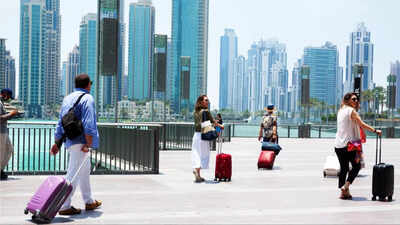
Stuck in Dubai? What should stranded tourists do amid flight chaos in the UAE linked to the conflict between Iran, the US and Israel?
As air travel across the Middle East continues to grind to a halt due to the escalating US-Israeli war on Iran, many tourists and travelers are finding themselves stranded in the UAE due to widespread flight cancellations and airspace closures.
Major UAE airlines, including Emirates, Etihad Airways, Flydubai and Air Arabia, have suspended flights across their networks, affecting departures and arrivals to key hubs such as Dubai International Airport (DXB), Zayed International Airport in Abu Dhabi and Sharjah International Airport. This unprecedented disruption has been caused by several governments closing or restricting airspace as a safety precaution amid rising geopolitical risks.
What do flight cancellations look like in the UAE now?
Since the outbreak of hostilities, airlines have issued extended flight suspensions:
- Emirates has suspended all operations to and from Dubai until at least the early afternoon of March 1, and affected passengers are being offered options to rebook or request a refund.
- Etihad Airways has suspended departures from its Abu Dhabi hub until March 2, urging passengers to check flight status online, rebook for free on future dates, or opt for a refund.
- Air Arabia and Flydubai also temporarily suspended their services as authorities continue to monitor safety conditions.
- Many international airlines fly to and from
Gulf Airlines have canceled or rerouted flights due to continued airspace closures, describing the closures as the biggest disruption to air travel in the region since the pandemic.
The global airspace closure has left hundreds of thousands of travelers stranded, with airports that normally handle thousands of flights daily, especially in the UAE, unable to operate normally.
The UAE is taking measures to support stranded tourists
Recognizing the scale of the disruption, the UAE authorities and their airline partners have intensified support for affected travellers:
- The General Civil Aviation Authority (GCAA) has confirmed that the UAE will cover the costs of accommodation and meals for passengers whose departure or arrival was canceled due to the conflict. Hotels in Abu Dhabi and Dubai are extending stays for travelers who have reached their check-out dates but cannot leave normally.
- National airlines are facilitating free rebookings and refunds for canceled flights, giving travelers more flexibility to adjust their itineraries without additional penalties.
- Temporary social support, including meals and refreshments, is being provided at airport terminals as part of emergency plans to assist those waiting for scheduled flights.
In some unexpected acts of community solidarity, local businesses, such as home rental companies in Dubai, have offered free accommodation to travelers stranded by cancellations, particularly targeting families with children and elderly travellers.
Practical tips for stranded tourists
If you are currently stuck in the UAE due to a flight cancellation, here are the important steps you should take:
- Check flight status before going to the airport – Airlines and airport authorities stress that passengers should confirm their flight status with their carriers before departing for the airport to avoid unnecessary travel.
- Update contact details – Make sure your contact information on your airline reservation is accurate so you receive the latest notifications regarding your reservation cancellation, rebooking and refund options.
- Know your passenger rights – Most UAE airlines are offering free changes and full refunds for flights canceled due to the ongoing conflict. Do not cancel your flight yourself before the airline does; This may affect your eligibility for refunds or waivers.
- Seek official help if necessary – Tourists can also seek assistance from consulates and embassies of their home countries, which often coordinate assistance and may provide updates on travel advice, emergency helplines or repatriation options.
Flight cancellations do not occur in isolation, but are part of a broader disruption in global and regional airline networks. Airports across the Gulf, including those in Qatar, Bahrain, Kuwait and Iraq, implemented closures or restricted operations, resulting in flights being canceled or diverted. International airlines from Europe and Asia have suspended services to the region, forcing travelers to reroute their flights via alternative hubs or delay their plans.
The UK and other foreign governments have updated travel guidance, urging citizens to avoid all but essential travel to the UAE amid continuing uncertainty.This unfolding travel crisis has turned cities like Dubai and Abu Dhabi, once major global transit hubs, into waiting areas for travelers from all over the world, with logistical and psychological impacts on those trying to resume their journeys.
For tourists stranded in the UAE due to flight cancellations due to the US-Israel war on Iran and resulting airspace closure, the situation remains volatile and challenging.
While the authorities and their airline partners are actively supporting affected travelers with refunds, accommodation and food provision, patience and regular communication with airlines is essential during this period of travel uncertainty.Further updates on the reopening of airspace and the resumption of flights are expected once military tensions ease and civil aviation authorities clear the skies for safe operations. In the meantime, travelers are advised to stay informed through official aviation channels and government alerts.