

This image is used for representation purpose only (AI generated image)
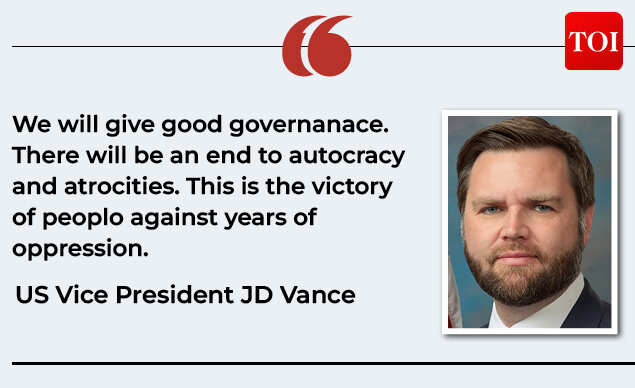
After months of war, crippling sanctions, a blockade of the Strait of Hormuz, and repeated threats of escalation, the United States and Iran digitally signed a memorandum of understanding that temporarily halted one of the most significant conflicts in the Middle East in recent years.The agreement opens a 60-day window for negotiations on Iran’s nuclear program, sanctions relief and regional security, while temporarily easing tensions that have rocked global energy markets.However, the ceasefire raises more questions than it answers. Even as Washington and Tehran describe the agreement as a breakthrough, disagreements persist over easing sanctions, freezing Iranian assets, nuclear inspections, and Lebanon’s future.Uncertainty emerged almost immediately, with renewed tensions over Israeli operations in Lebanon and public disagreements between US President Donald Trump and Israeli Prime Minister Benjamin Netanyahu.“We have laid a very good foundation for a successful final agreement,” US Vice President J.D. Vance said after the talks in Switzerland. “The final agreement is the house. We did not build the house, but we laid a successful foundation.”
.
As the dust settles, a bigger question emerges: Who actually emerged stronger? Did Washington achieve its basic goals, or did Tehran turn its losses on the battlefield into negotiating leverage? With crucial issues unresolved, can the next 60 days determine whether the war will truly end or merely enter a new phase?
From “unconditional surrender” to negotiations
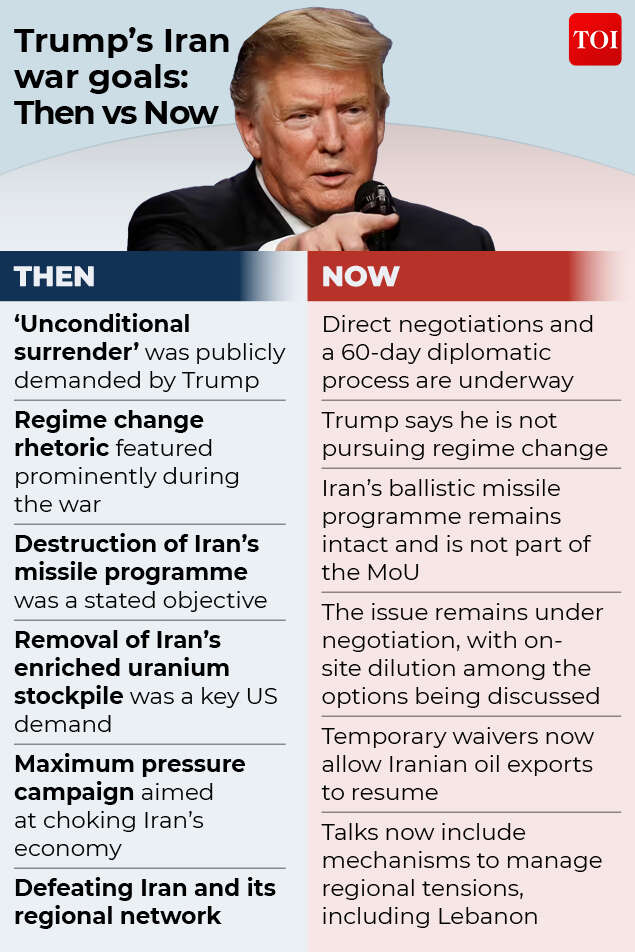
When the United States entered the conflict in late February, President Trump set ambitious goals: crippling Iran’s missile program, preventing it from rebuilding its nuclear capabilities, and creating conditions that might weaken or change the Islamic Republic’s leadership.
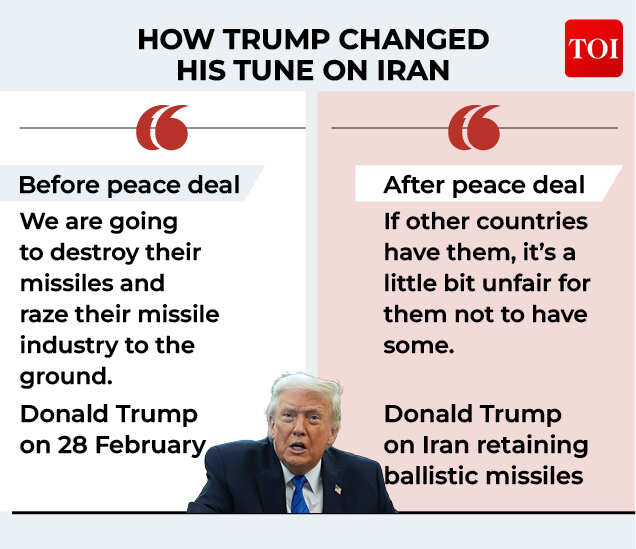
“There will be no agreement with Iran except unconditional surrender!” Trump announced early in the conflict.He even encouraged the Iranians to “take over” their government, sparking speculation that regime change was an unofficial goal of the war. Israeli Prime Minister Benjamin Netanyahu supported a strategy aimed at fundamentally weakening Tehran and reshaping the regional balance.
.
Months later, the peace agreement between the United States and Iran reflects much narrower goals.
The memorandum of understanding contains no provisions on regime change, no commitment by Iran to dismantle its ballistic missile program, and no immediate delivery of its stockpile of enriched uranium.Instead, the two sides agreed to continue negotiations on Iran’s nuclear activities, sanctions relief, and regional security during a 60-day period. Trump has softened his previous positions, indicating openness to limited civilian nuclear activity and downplaying calls for regime change.
What the United States gained
Despite criticism that Washington has not achieved its original goals, the Trump administration can point to tangible gains.Most urgently, the agreement creates a path to reopen the Strait of Hormuz and end the crisis that has disrupted a vital energy corridor and led to higher oil prices. The dedicated communication channel for Hormuz aims to prevent future accidents and ensure the safe passage of commercial ships.The agreement returned Iran to the negotiating table after months of direct confrontation.
For the first time since the conflict began, the two sides formally committed to a 60-day diplomatic process focusing on nuclear issues, sanctions and regional security. US officials see this as an opportunity to impose restrictions on Iran’s nuclear activities through talks rather than force.
.
Among other potential gains are Iran’s reported willingness to discuss renewing international oversight of its nuclear program. Vance called Iran’s alleged agreement to allow IAEA inspectors back a “major milestone” and “the first step in permanently denuclearizing Iran.”
Tehran has denied finalizing such a concession, but inspections are now central to ongoing negotiations.The deal also resulted in a temporary regional calm. The ceasefire framework aims to stop direct hostilities between the United States and Iran, reduce tensions in Lebanon through the proposed “deconfliction cell” and create mechanisms to manage conflicts before they escalate.It is important for the White House that the agreement relieves pressure on global energy markets.
Reopening the Strait of Hormuz, along with a temporary waiver on Iranian oil exports, could stabilize supplies and reduce the risk of another energy shock, which is politically important ahead of the US midterm elections.These gains remain temporary. The Strait of Hormuz has not fully returned to normal, nuclear talks are just getting started, and many aspects of the agreement are in dispute. Washington’s success will be judged by whether it is able to turn the memorandum of understanding into a final, broader and permanent agreement.
What Iran gained
Tehran can plausibly argue that it has secured many basic goals without conceding the more controversial points.One immediate benefit was a US waiver that allowed Iranian oil exports for 60 days, allowing Tehran to resume crude oil and petrochemical sales. Iranian officials also claim that $300 billion worth of frozen assets could be released as part of a broader operation.The agreement opens the door to broader sanctions relief if a final settlement is reached.
For a country suffering from economic pressure, restricted exports and frozen funds, the mere prospect of monetary easing is a major diplomatic win.
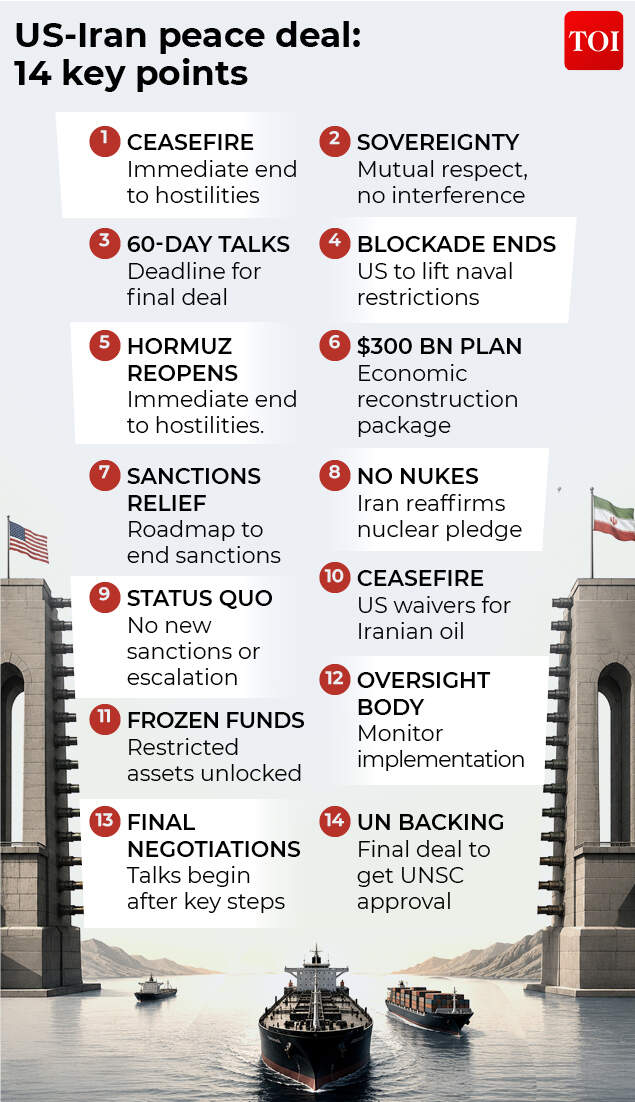
Politically, the agreement represented a retreat from many of Washington’s demands. Trump’s previous calls for “unconditional surrender” and regime change are absent from the MOU. Iranian leadership remains intact, its missile program has remained intact, and the nuclear issue has been postponed rather than settled.Iranian negotiators emphasized provisions related to Lebanon, saying that the agreement’s focus on ending hostilities and respecting Lebanese sovereignty protected Tehran’s regional interests. Foreign Minister Abbas Araqchi framed the economic concessions and exemptions as meeting many of Iran’s conditions.This helps explain why some analysts say Iran has borne the military costs but has gained enough leverage to keep core strategic interests at the negotiating table.
The next 60 days will show whether this feature will lead to a permanent settlement or a temporary halt.
Netanyahu’s dilemma
The US-Iran agreement reduces the immediate risks of a broader war, but it poses a political and strategic problem for Israeli Prime Minister Benjamin Netanyahu.The memorandum of understanding not only stops tensions between the United States and Iran; It creates mechanisms aimed at ending hostilities in Lebanon, putting the Israeli campaign against Hezbollah under the microscope.
This contradicts the central goal of Israel’s war: to weaken Hezbollah’s capabilities and push the group away from the northern border.

Israeli forces advanced into Lebanese territory and took control of strategic sites that they pledged to keep. Indeed, the new agreement’s “de-escalation cell” is designed to support a ceasefire in Lebanon, and Iranian negotiators have linked developments in Lebanon directly to broader diplomacy between the United States and Iran.Timing is difficult for Netanyahu. With elections expected later this year, the war against Hezbollah remains politically popular in Israel. Opinion polls show strong support for continuing military operations, even with the risk of friction with Washington.But tensions with the United States are clearly visible. Trump criticized Israeli strikes in Lebanon that threatened to derail the talks, and senior US officials dismissed Israeli concerns.
Netanyahu must balance internal pressures to continue fighting with reliance on American military, financial, and diplomatic support.One of the big unanswered questions is whether Israel will fully commit to the diplomatic roadmap now sought by its closest allies.
Nuclear test
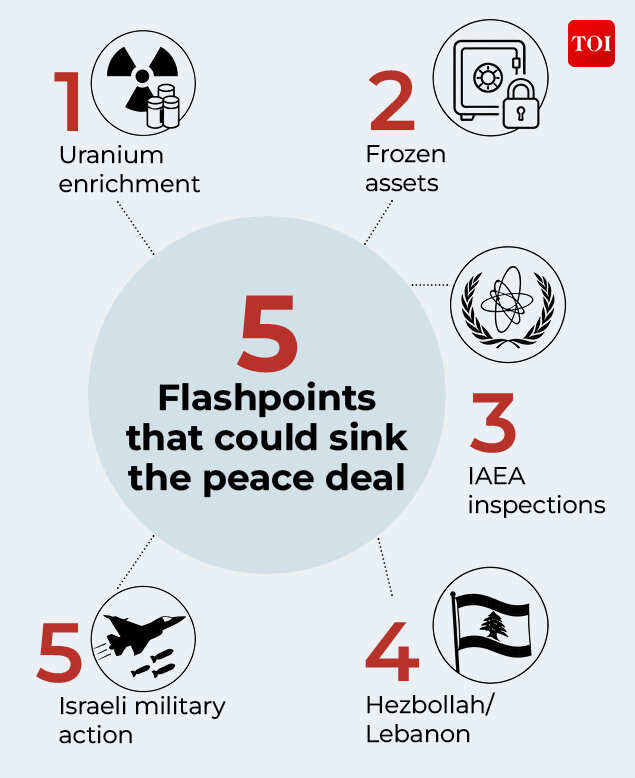
The core dispute that sparked the conflict – Iran’s nuclear program – remains unresolved.The talks must now address the future of Iran’s stockpile of enriched uranium, permissible enrichment levels, and the scope of international inspections and verification mechanisms.The main sticking point is Iran’s estimated enrichment stockpile of up to 60%, just below the levels needed to make nuclear weapons. The United States has pushed for strict restrictions and strict inventory control; Iran refuses to hand over the materials but has indicated that site mitigation or reduction could be discussed.
.
The dispute also centers on inspections. Tehran has denied Vance’s claim that Iran agreed to allow IAEA inspectors to return, underscoring how disputed the explanations really are.
Seven unanswered questions
- Is the deal fully valid? The memorandum of understanding was digitally signed and the ceasefire extended, but many provisions depend on implementation timelines and the formal signing ceremony.
- Will the Strait of Hormuz really reopen without restrictions? US says shipping will resume freely; Iranian officials hint at retaining supervisory or administrative roles.
- What economic benefits will Iran actually get? Tehran claims that frozen assets will be released and sanctions will be eased; Washington says broader relief will depend on compliance.
- Do the two parties agree on what was agreed upon? There are already disputes over frozen assets, sanctions relief and inspectors, raising questions about interpretation.
- Will Israel adhere to the Lebanese conditions? The agreement links the cessation of escalation to a ceasefire in Lebanon, but Israeli leaders expressed their reluctance to give up freedom of military action against Hezbollah.
- Can Washington and Tehran reach a final nuclear agreement? Key issues – such as limits on enrichment, the fate of stockpiles, inspections, and easing sanctions – remain highly controversial.
- Can the war resume if the talks collapse? US officials warn that military options remain; Iran maintains its influence, making the sustainability of the ceasefire uncertain.
Next 60 days: Where the deal could fall apart
The most difficult issues have been left unresolved and will dominate the next 60 days.The nuclear talks are of central importance: limits on enrichment, the fate of highly enriched uranium, and a robust inspection regime are likely to determine whether the agreement stands.Economic issues can be equally thorny. Iran is seeking broader sanctions relief and access to frozen assets; US officials say the concessions will depend on compliance. Disagreements have already begun to emerge over how to use the frozen funds and which sanctions will be lifted.Lebanon is another test. The Memorandum of Understanding mechanisms are intended to end hostilities, but Israeli operations or Hezbollah retaliations could quickly derail the fragile process.Implementation disputes – over inspections, sanctions relief, and frozen assets – could revive the mistrust that characterizes US-Iran relations.A senior American official told Axios that the coming weeks will reveal whether the understandings so far can develop into a permanent agreement or whether they are just a temporary pause. For now, the war may have stopped, but the real negotiations are only just beginning.