A suspected international smuggling network allegedly collects about 200 kilograms of human placenta from hospitals every month, dehydrates the tissue and processes it at an illegal facility in Islamabad before shipping it abroad to be made into expensive anti-aging injections, according to Pakistani investigators.The operation came to light after Pakistan’s Federal Investigation Agency (FIA) raided a house in Islamabad last week and recovered 500 kilograms of what officials believe to be human placenta. Five suspects were arrested during the raid.Photos released by the agency showed trays of dried placentas stacked on trolleys inside the home, which investigators said had been converted into a storage and processing facility.
The airport seizure exposes a huge network
The scope of the investigation widened on Wednesday when Federal Investigation Agency officials intercepted another 100-kg consignment of suspected human placenta at Islamabad airport. Authorities said the shipment was destined for Vietnam. According to investigators, the suspects bought placentas from hospitals in Islamabad and Rawalpindi for about PKR 800 each. The tissue was then allegedly dried, processed and prepared for export.
Officials believe the substance was intended for use in anti-aging injections. According to the financial intelligence agency, each injection can be sold for about 700 thousand Pakistani rupees.The agency now suspects that the network extended beyond Islamabad. Investigators are examining possible links in Lahore, Peshawar and Rawalpindi, while also investigating the possible involvement of immigration officials, waste management companies and hospitals.
What is the human placenta?
An FIA official told BBC Urdu that the agency “has previously taken several measures against illegal human organ transplants, but this is the first case involving a regulated international network dealing in human placentas.”The five suspects initially claimed they were handling sheep placenta. Officials said they later admitted during interrogation that the substance was human placenta.
How does the racket work?
Hina Kanwal, an official at the Pakistan Human Organ Transplant Authority, said the suspects obtained the placenta from hospitals in Islamabad and Rawalpindi.Investigators believe the group purchased the tissue, dried and processed it at the illegal facility before arranging shipments abroad.In Pakistan, commercial harvesting of human organs is a criminal offense. Those convicted could face a prison sentence of up to 10 years and a fine of up to one million Pakistani rupees.
Why is the placenta so tightly regulated
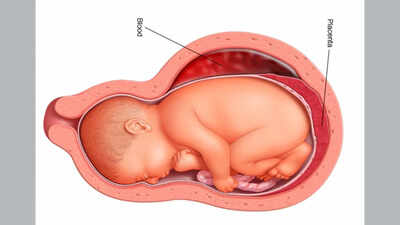
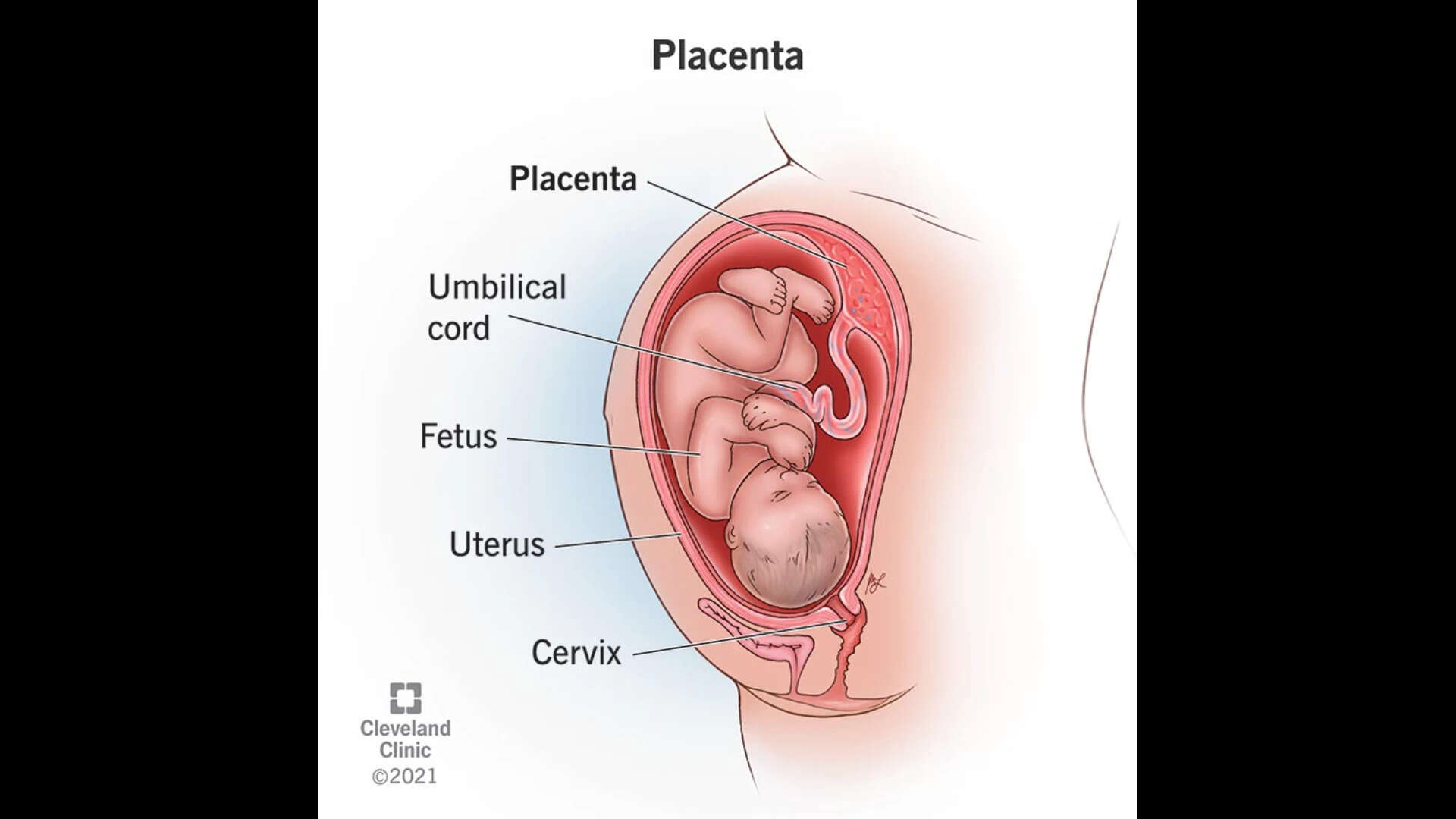
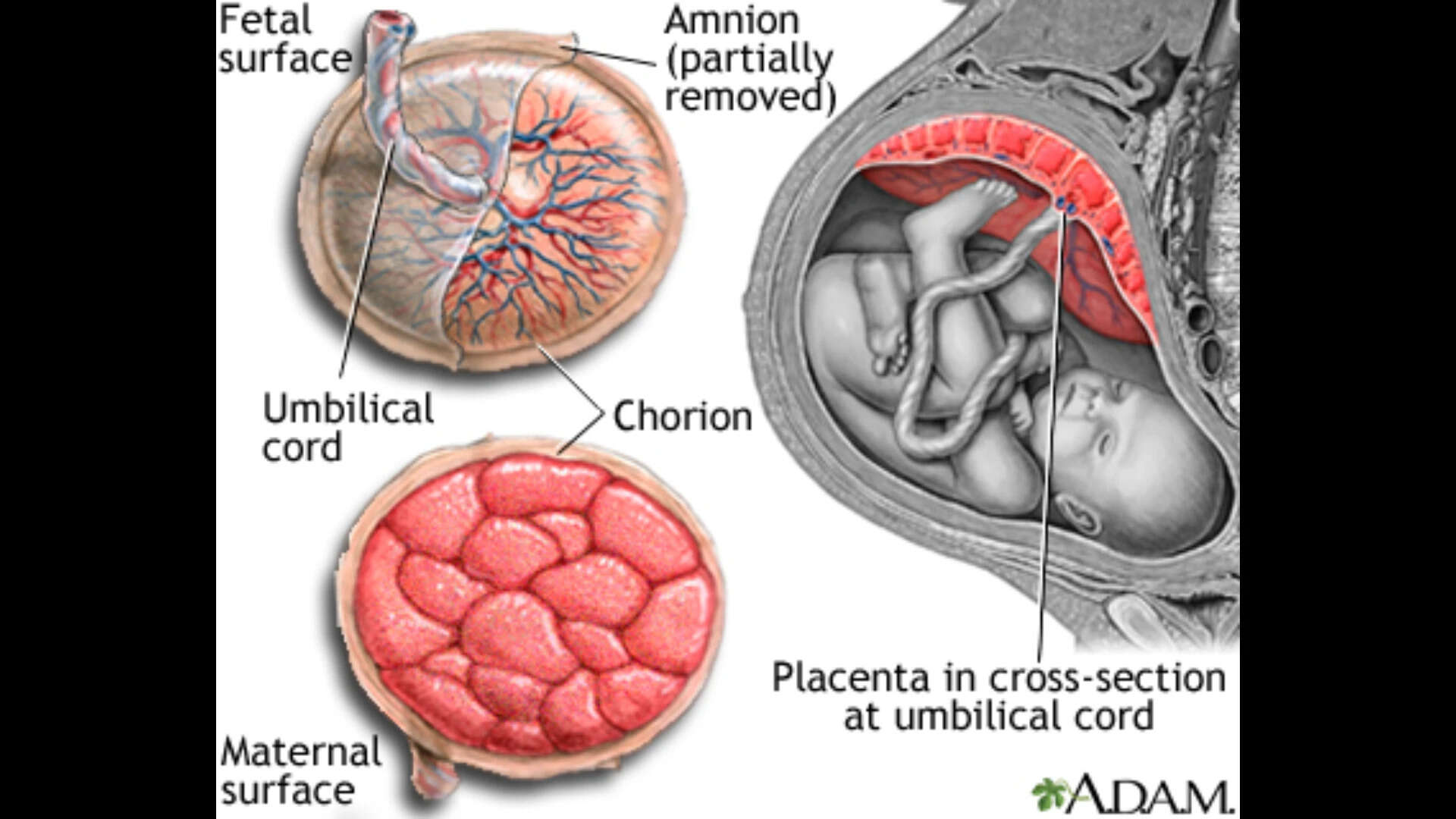
The placenta is a temporary organ that develops during pregnancy and connects the baby to the mother via the umbilical cord.
It supplies oxygen and nutrients to the developing baby while removing waste. After birth, it is usually disposed of as medical waste unless the mother chooses to keep it for approved personal, cultural or medical reasons.Sadaf Tariq, a gynecologist in Pakistan, said there are strict regulations around the disposal of the placenta, which is considered “highly infectious medical waste.”Hospitals generally require the mother’s consent before releasing the placenta for research or personal use.
If unclaimed, they will be disposed of under biomedical waste regulations by government-approved companies, keeping strict records throughout the process.
Demand and health risks
Although the placenta contains proteins, iron and fat, some people believe it has health benefits for adults. It has been processed into tablets and injections that are claimed to support tissue regeneration, although scientific evidence remains mixed and regulations vary from country to country.Health experts warn that human placenta can carry viruses, bacteria and other infectious diseases if it is not collected, stored and tested properly. Illicit trade bypasses these safeguards, increasing the risk of contamination and misuse.
Anatomy of a normal placenta
Similar cases have been reported around the world
Authorities have investigated similar cases in several countries over the years.China has repeatedly uncovered networks accused of purchasing placentas from hospitals and selling them on the black market, often for use in traditional medicine or health supplements despite official health warnings.South African police have investigated the theft of placentas from hospitals, with authorities believing some were destined for illegal traditional medicine markets. Kenya has also reported cases of placentas disappearing from hospitals due to beliefs regarding their spiritual significance. Nigeria has also recorded cases involving suspected theft or illegal sale of placentas due to traditional rituals or financial gain.Health authorities around the world emphasize that although the placenta can be legally used in medical research or approved pharmaceutical purposes, this requires informed consent, ethical approval and strict regulation. Unauthorized collection, sale, or transportation of human placenta is illegal in many countries and can lead to charges ranging from theft of human tissue, illegal handling of medical waste, fraud, forgery, public health crimes, and trafficking in human biological materials.