For generations, people have debated whether money can truly make life happier. Some believe that happiness comes from relationships, purpose, and health, not wealth, while others point out that financial security can eliminate many of the stresses that dominate daily life.
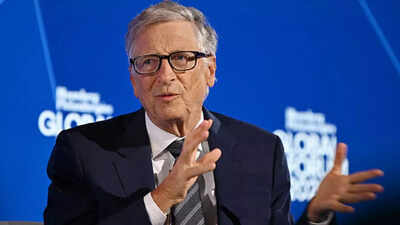
This controversy came back into the spotlight after Bill Gates made candid statements about how wealth changed his life. In a resurfaced Reddit AMA, Gates admitted that being financially secure has made him happier in an important way, freeing him from constant worries about health care costs, education expenses, and financial emergencies that affect millions of families around the world.
What did Bill Gates say about happiness?
The comments originally came during a 2019 Reddit “Ask Me Anything” session when Gates responded to a user asking if his vast wealth had truly improved his happiness.“Yes,” Gates replied. “I don’t have to think about health costs or college costs. Being free from worrying about finances is a real blessing.”However, Gates immediately added an important clarification that is often overlooked when the quote is circulated online.“Of course you don’t need a billion dollars to get to this point,” he wrote, arguing that it is financial stability, not excessive luxury, that makes the biggest difference in people’s daily lives.
A comment that resonated with a lot of people
This quote has gone viral because it touches on a truth familiar to millions of families: that financial stress can shape almost every aspect of life.Unexpected medical bills, rising tuition fees, debt, and inflation continue to stress families around the world. Gates’ answer stood out because he framed wealth not as access to mansions or private jets, but rather as freedom from constant anxiety about basic security.For many people, the idea that money buys “peace of mind” rather than happiness itself seems more relatable than traditional billionaire narratives centered around luxurious lifestyles.
What do studies say about it? Money and happiness
Researchers have debated the relationship between money and happiness for decades, and most studies suggest that the relationship is more nuanced than a simple formula that says: “More money equals more happiness.”A widely discussed 2010 study by Nobel Prize-winning economist Daniel Kahneman and economist Angus Deaton found that emotional well-being tends to improve as income rises because money reduces stress, insecurity, and daily hardships.
However, the researchers also suggested that the emotional benefits stabilize after a certain point once people’s basic needs and financial stability are secured.More recent studies have challenged the idea of a global happiness ceiling, arguing that well-being can continue to increase as income rises for some individuals, especially when money creates greater freedom, flexibility, and control over life decisions.However, researchers generally agree on one point: Escaping financial insecurity has a much greater impact on happiness than accumulating massive wealth. In many cases, the biggest emotional gains come not from well-being, but from reducing anxiety about health care, debt, housing, and unexpected emergencies.
Financial security versus extreme wealth
One reason Gates’ statements continue to resonate is that they shift the conversation away from billionaires and toward financial stability.His comments suggest that the real goal for most people is not necessarily to become super-rich, but to get to a point where a medical emergency, job loss, or unexpected expense doesn’t threaten their future.This distinction has become increasingly important as the cost of living, housing prices and health care expenditures continue to rise in many countries.
The debate that never goes away
The question of whether money can buy happiness has been around for generations, but Gates’ comments have revived the issue in the modern era of high costs of living and economic uncertainty.Although few people would agree on exactly how much money is “enough,” Gates’ comments highlighted a point that many economists and psychologists increasingly acknowledge: that money may not guarantee happiness, but freedom from constant financial fear can dramatically improve daily life.