Bomb cyclone explained: Why this powerful winter storm is paralyzing the United States
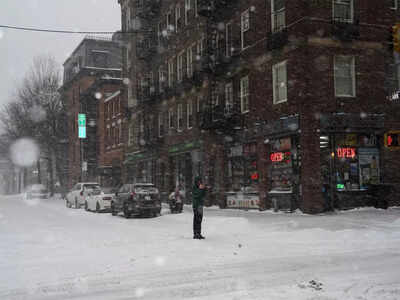
Heavy snow and strong winds are moving across the northeastern United States as a powerful winter storm intensifies off shore. Forecasters say the system now meets the definition of a bomb cyclone after a rapid drop in central pressure over a 24-hour period.
Blizzard warnings were in place for major cities along the I-95 corridor, including New York City, Boston and Philadelphia. Snowfall rates of up to three inches per hour were recorded in some areas, with wind gusts of up to 60 miles per hour. According to FOX News, there are more than 250,000 customers without power across the Northeast and Mid-Atlantic, with New Jersey reporting the highest number of outages. Travel conditions are deteriorating as whiteout conditions reduce visibility and snow continues to accumulate.
Bombogenesis causes severe winter weather in the United States
Meteorologists classify the system as a bomb cyclone because its central pressure quickly dropped to about 988 millibars. This process, known as bombogenesis, occurs when a midlatitude hurricane intensifies rapidly within 24 hours.
Mamdani declares state of emergency in New York City; Travel ban and cancellation of thousands of flights He watches
The pressure drop required depends on the location. Near the latitude of New York City, approximately 17 to 18 millibars per day is sufficient. To the north, the index is higher. The current storm has reached this threshold.
Blizzard conditions disrupt major cities
Blizzard warnings cover parts of New York, Massachusetts and Pennsylvania. Snow falls heavily at times, with steady winds lifting it and pushing it across roads and railway lines.Flights were disrupted and some train services were suspended. Local authorities urged residents to stay at home unless travel is necessary. Coastal areas are also experiencing rough waves and minor flooding in exposed areas.
power failure It rises as winds reach 60 mph
Utility companies reported widespread power outages, especially in New Jersey, where more than 100,000 customers were without power. Wet snow and strong winds cause tree branches and power lines to fall. Crews work in difficult conditions. The recovery process may take some time as snow continues to fall and winds remain strong. Forecasters expect the storm to gradually move toward the northeast, although the cold air is likely to persist after the heavy snowfall ends.