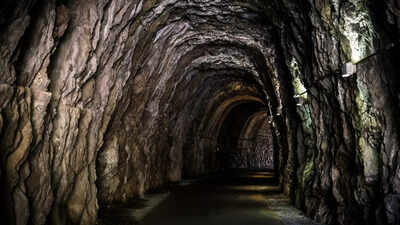
An ancient Italian tomb, sealed for 2,600 years, has been opened to reveal jewellery, ritual vessels and human remains (Image source: Canva)
Archaeologists have discovered a tomb that has remained closed for nearly 2,600 years, providing a rare look into ancient burial traditions and social structures. Such findings are important because sealed graves often preserve things such as objects, art and even human remains in better condition than sites that have been disturbed over time.
If a burial chamber remains sealed for hundreds of years, it could be like a time capsule. Researchers can learn about how people lived, what they believed, and how they honored the dead by looking at pottery, jewelry, tools, and inscriptions. In this case, experts carefully opened the ancient tomb under strict conditions so that they could record every detail. According to researchers involved in the excavations, the findings help historians compile new information about early civilization and burial practices in the region.
A 7th century BC tomb was found intact in Greece during an excavation
According to reports published by the Greek Ministry of Culture, and covered by international archaeological media, the sealed tomb was discovered in Greece during a systematic excavation. The burial dates back to around the 7th century BC. Archaeologists have identified it as part of a larger ancient cemetery that was used by an organized community.The researchers stated that the tomb was not looted, which is not common in many ancient burial sites.
Because of this, the contents were found largely intact. The site has been documented through photographs, mapping and careful removal of soil layers to preserve as much information as possible.
Human remains and ritual offerings found inside an ancient Greek tomb
The Greek Ministry of Culture’s official update on the excavations says the tomb contained human remains and burial items. These included pottery, decorative items, and objects believed to have religious or symbolic meaning.The pottery discovered inside the room is currently being studied to determine its style and origin. Archaeologists often use pottery design to obtain a more accurate dating of burial sites. Some of the vessels may have been used to store oils, perfumes, or foods left next to the dead person.In addition to pottery, researchers reported finding personal decorations. Such items can help experts understand the social status of the individual buried inside.
In ancient times, jewelry and handcrafted goods may have been a sign of wealth or status.
Why are finds of sealed tombs important in archaeology?
Sealed tombs provide significant scientific data. The original arrangement of objects remains intact in the burial chamber, undisturbed. This helps archaeologists identify burial rituals rather than just looking at scattered remains.Institutions such as the British Museum and the Archaeological Institute of America have published guidelines for archaeological research saying that context is very important during excavation.
The arrangement of objects, soil layers, and even the smallest pieces can show how people lived and what they believed.The researchers said the tomb was in good condition, allowing them to take a look at how the offerings were arranged around the body. This can help us understand what people believe about the afterlife.
How did archaeologists open a 2,600-year-old tomb?
It takes a long time and a lot of skill to open a sealed tomb. In accordance with standard archaeological practices, teams first make sure the structure is secure so it does not fall.
They remove the soil layer by layer and write down what they find.There are often specialists on site, such as osteologists who study bones and conservators who protect sensitive objects. Objects found inside the cemetery are transported to laboratories to be cleaned and protected.Researchers working on these excavations said careful record-keeping was very important. Before moving any object, measurements, pictures and drawings are taken.
This ensures that the scientific value of the discovery is not lost.
What human remains might reveal
Skeletal remains found within a tomb can provide information about age, gender, health, and even diet. According to studies in bioarchaeology, bones can show signs of disease, injury, or nutritional deficiency.Laboratory tests may include carbon dating to confirm the age of the burial. Isotope analysis can sometimes reveal the type of food a person ate during their life.
These techniques help researchers build a clearer picture of ancient populations.
What happens next in the research process?
After excavation, the artifacts and remains undergo detailed analysis. The pottery was studied for stylistic comparison with other sites from the same period. Organic materials, if preserved, are examined for traces of plant or animal remains.According to experts quoted in the excavation report, more results will be published once laboratory studies are completed. Archaeological discoveries are usually shared through academic journals and official announcements of the Ministry of Culture.Sealed graves like these continue to add new information to the historical record. Each excavation contributes to a better understanding of how ancient societies lived, organized themselves, and honored their dead.