


Yale University’s David Geffen School of Drama has eliminated tuition with a $150 million donation. This step has opened doors to talented students who were previously excluded due to financial barriers. Image credits: Wikipedia
The cultural environment is quick to assume that creativity is entirely merit-based. We all believe that as long as a person is talented enough, determined, and has a unique ability to create works of art, he or she will surely make his way into the limelight.
However, what we tend to forget is the reality of the financial cost involved. Before an artist can audition for a part or sell their script, there is always a financial hurdle that excludes those unable to pay the price.In 2021, Yale University’s David Geffen School of Drama removed that barrier with a transformation that sent shockwaves beyond its institution. A groundbreaking $150 million donation from the David Geffen Foundation has eliminated tuition costs for all full-time certificate and degree students.
Although the size of the donation was certainly newsworthy at first glance, it is important to recognize how this innovation transformed the demographics of American theater.According to the report issued by the university, what distinguishes this generous gesture is that it did not include funding any construction project or physical expansion of its campus. Instead, it involved reorganizing the financial structure behind the program’s training process by waiving tuition costs for all candidates, thus changing the discussion from an elite educational opportunity to one of real access.
Re-engineering the risk factor in creative professionsWhy this change is important becomes clear when one considers the creative industry’s particular vagaries compared to other industries, such as law or medicine, which require expensive training but ultimately lead to lucrative jobs. The problem is that the performing arts tend to bring highly unpredictable financial rewards.The moment an acceptance letter comes along with tens of thousands of dollars in student debt changes the entire mental calculus.
Young artists have no choice but to consider whether or not they can afford to have their acceptance letters accepted. Financial constraints become a subtle form of filter, making talented students from disadvantaged backgrounds think twice before applying.
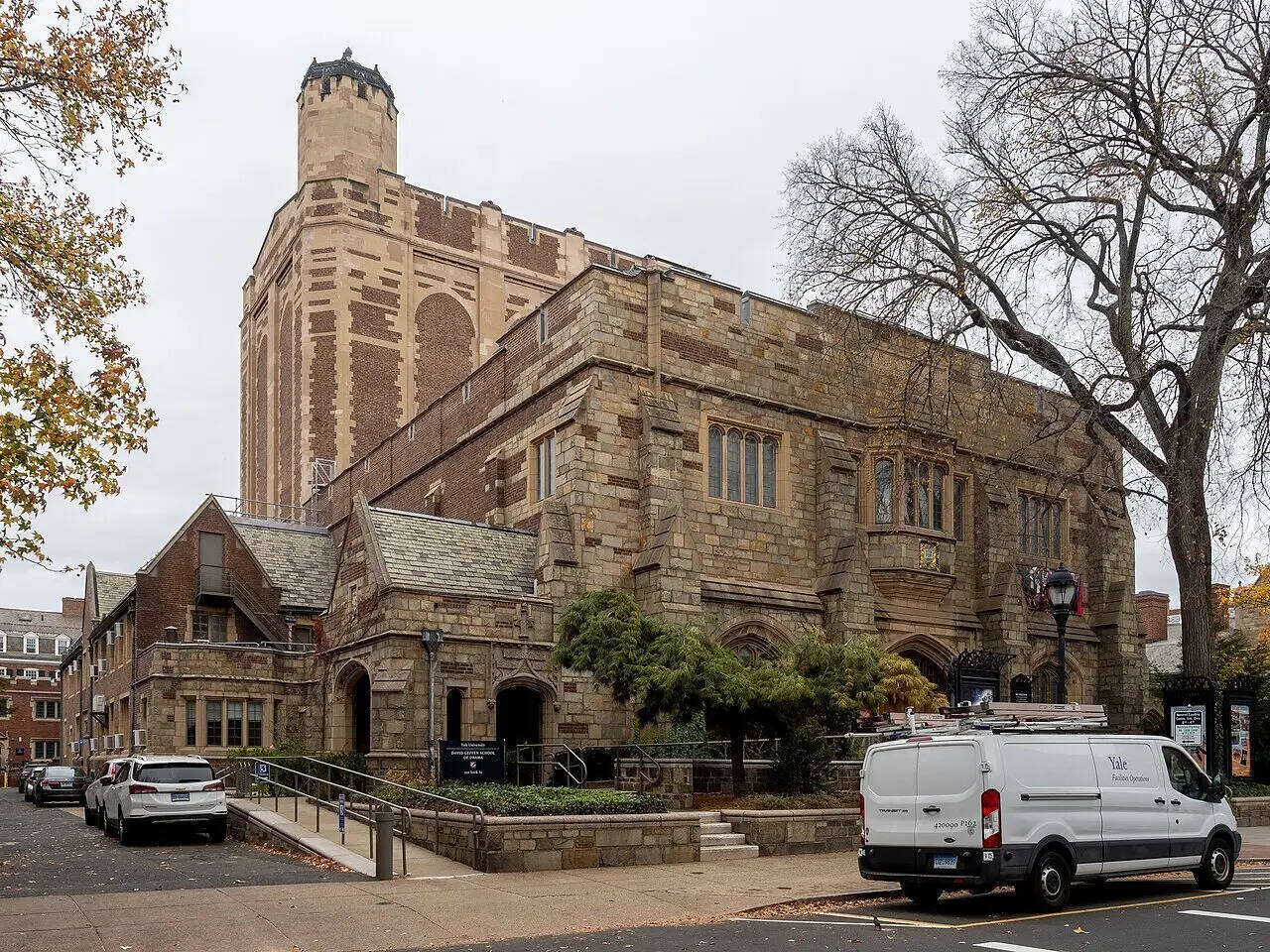
The initiative aims to democratize the theater industry by fostering a more diverse talent pool. Graduates can now pursue their artistic passions without immediate financial burdens, enriching the entire creative scene. Image credits: Wikimedia Commons
This is exactly what the free education framework seeks to achieve. According to the School’s Tuition Fees and Living Expenses Scheme, 100% of full-time students now benefit from 100% automatic tuition fee coverage.
This changes the social implications of receiving an acceptance letter. From being impossible to afford, the opportunity turns into something tangible. It enables the university to recruit and develop a more diverse talent base of people who would otherwise exclude themselves from the industry due to their financial resources.Structural transformation of representation in the long termIn this case, there is a larger lesson to be learned regarding how to make true representation possible within cultural institutions.
Diversity cannot be created artificially; It must be designed from the ground up. Once you change entry requirements, you can automatically change the demographics of those coming through the door.This model of asset-based philanthropy ensures that the donor’s legacy is preserved within the everyday lived experience of students rather than on a cold marble slab. Graduates of this system can enter the professional world without the dire need to take any corporate job just to pay off their student loans.
They are given the freedom to choose ambitious, experimental and community-based projects early in their careers, when their artistic voices are most flexible.In essence, Geffen’s donation serves as an example of how philanthropy can be weaponized to democratize an entire industry. Talents are shared equally among people. However, the means for developing such talents are not. Transforming the institution from a famous educational institution into a free institution was evidence of the most important thing one can create: not a hall for performances, but a wide entrance to all stories.