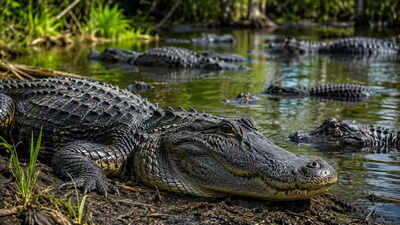
Throughout the southern United States, rivers tend to blur the line between open water and terrestrial habitat in a way that is difficult to separate on a map. Wide channels slide through swamps, cypress trees and low-lying floodplains, carrying sediment, fish and submerged plants in slow motion.
In these same waters, crocodiles remain a constant presence, sometimes obvious and sometimes only hinted at by a ripple or pair of eyes above the surface. Their distribution is not random, but it rarely follows clear boundaries either. It changes with rainfall, temperature and the changing shape of river banks after floods. Some rivers maintain dense, constant populations that appear to recur year after year, while others show more sporadic encounters.
According to WorldAtlas, looking across a few of these systems gives a clearer sense of how closely linked river ecology and reptile behavior are in this part of North America.
The rivers in the United States that have the largest population of alligators
| river | location | Habitat description | Crocodile behavior and pattern |
| St. Johns River | Florida | A wide, slow, black-water river associated with swamps and lakes | It spreads along the edges of swamps and shallow streams, frequents along the banks, and is a strong presence throughout the year |
| Pascagoula River Basin | Mississippi | Swamp basin with wetlands, forests and standing water | Moving through a network of connected wetlands, juveniles live in sheltered ledges, and larger crocodiles in deeper, shaded channels |
| Pearl River | Louisiana | Freshwater to salt marsh system with cypress stands | It changes locations when floods occur, uses forest floodplains seasonally, and is consistently found in quieter junctures. |
| Savannah River | Georgia and South Carolina | Lower tidal river with marshes and side creeks | It is concentrated in low tidal areas, preferring side channels and low-disturbed wetlands |
| Brazos River | Texas | A long river with reservoirs, bends and stagnant lakes | Distribution is patchy, local populations are in low lying stretches and managed wetlands |
| Waccamaw River | Carolinas | Blackwater Swamp River with cypress forest floodplain | It is sedentary in protected swamps, uses tree trunks and banks for long rest periods, and moves during floods |
Most of the rivers are infested with crocodiles In the United States
Saint John River, Florida
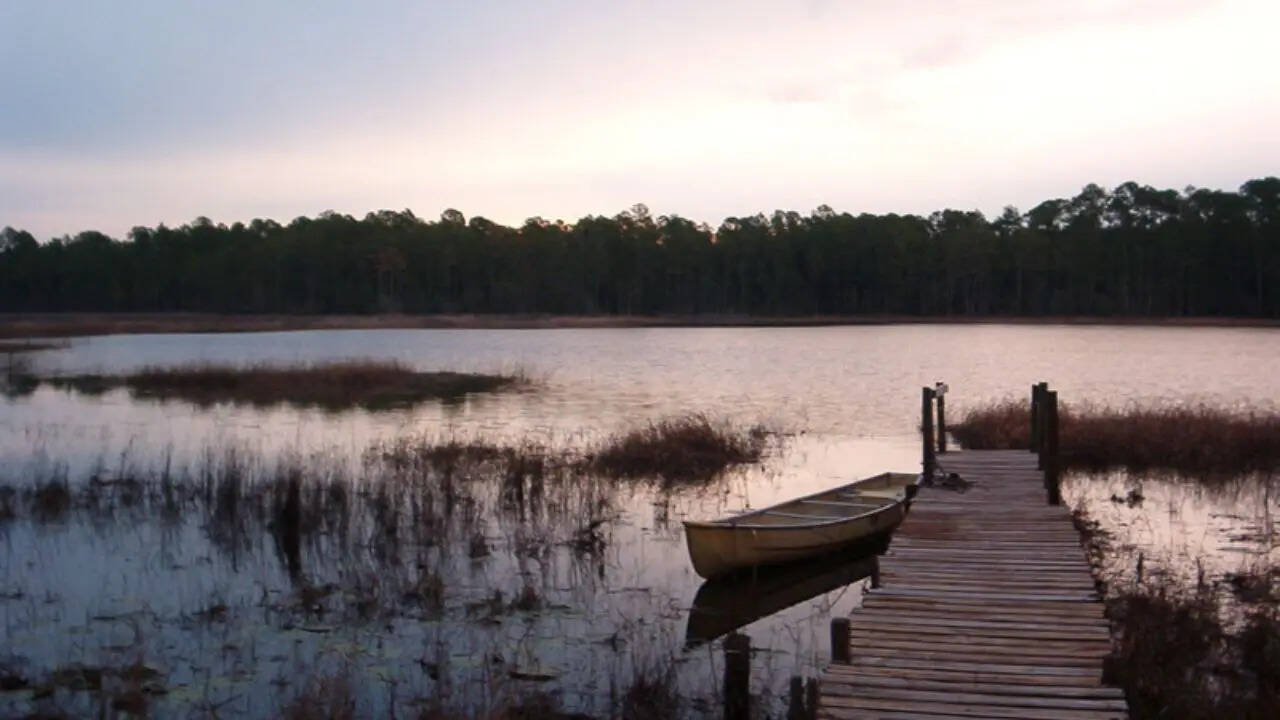
The St. John River moves differently than most rivers in the region. Drifting north rather than east or west, it is broad and slow, often darkly shaded by tannins from the surrounding wetlands. This slow pace suits crocodiles well. There is little urgency in the water, and this same stillness allows them to spread across the edges of the marshes, lake-like expansions and shallow streams that feed the main channel.
In places like Lake George and south toward Blue Spring, viewing becomes routine and not great. On warmer days, shapes line the banks almost casually, as if they belong to the landscape in the same way as reeds. The river connects a group of wetlands, which means movement is not limited to one channel. It behaves more like a network than a single water line.
Pascagoula River Basin, Mississippi
PC: The Nature Conservancy
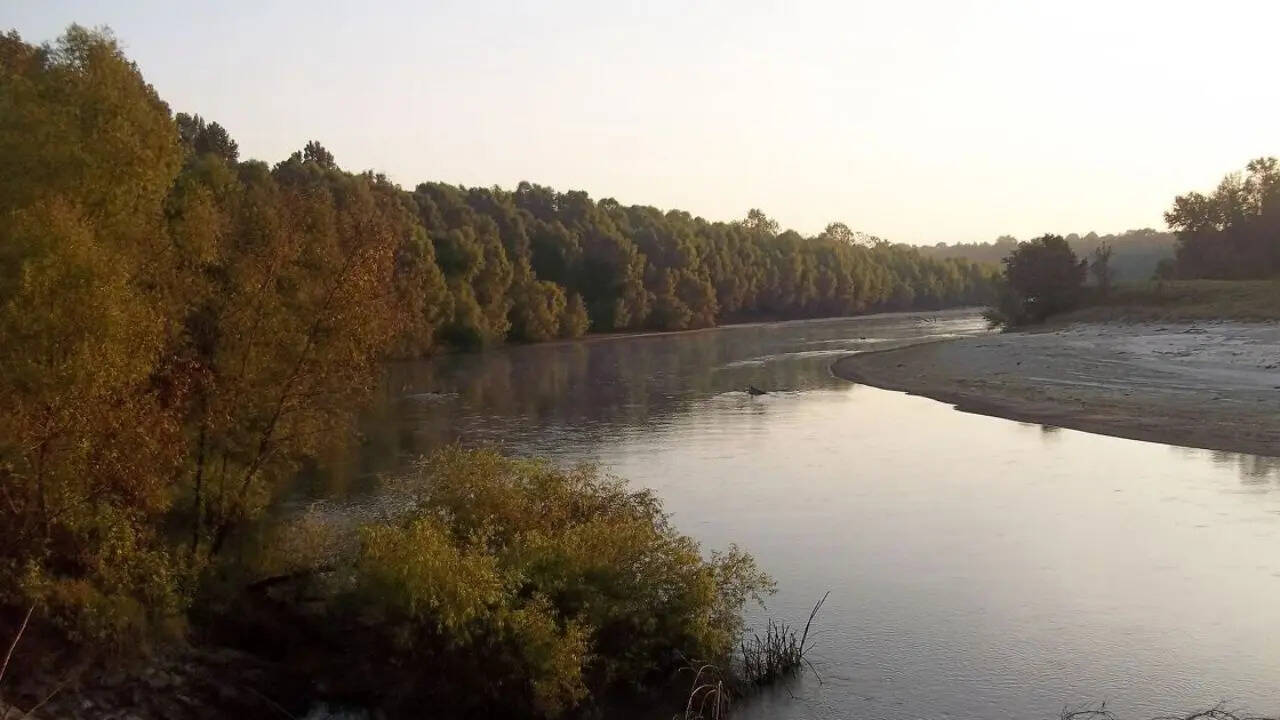
The Pascagoula system appears less affected by cities and roads than many other rivers along the Gulf Coast.
It spreads through a network of forested swamps and slow standing waters before reaching the sea. This spread is part of what allows crocodiles to remain present here.Water levels rise and fall with the seasons, revealing mudflats and shallow pools that quickly fill with fish and amphibians. Younger crocodiles tend to stay on quieter edges, where the cover is thick and movement is easier to hide. Larger trees drift across deeper sections, especially where fallen trees create shade channels.
Much of the basin remains only slightly developed, leaving long areas undisturbed for long periods.
Pearl River in Louisiana
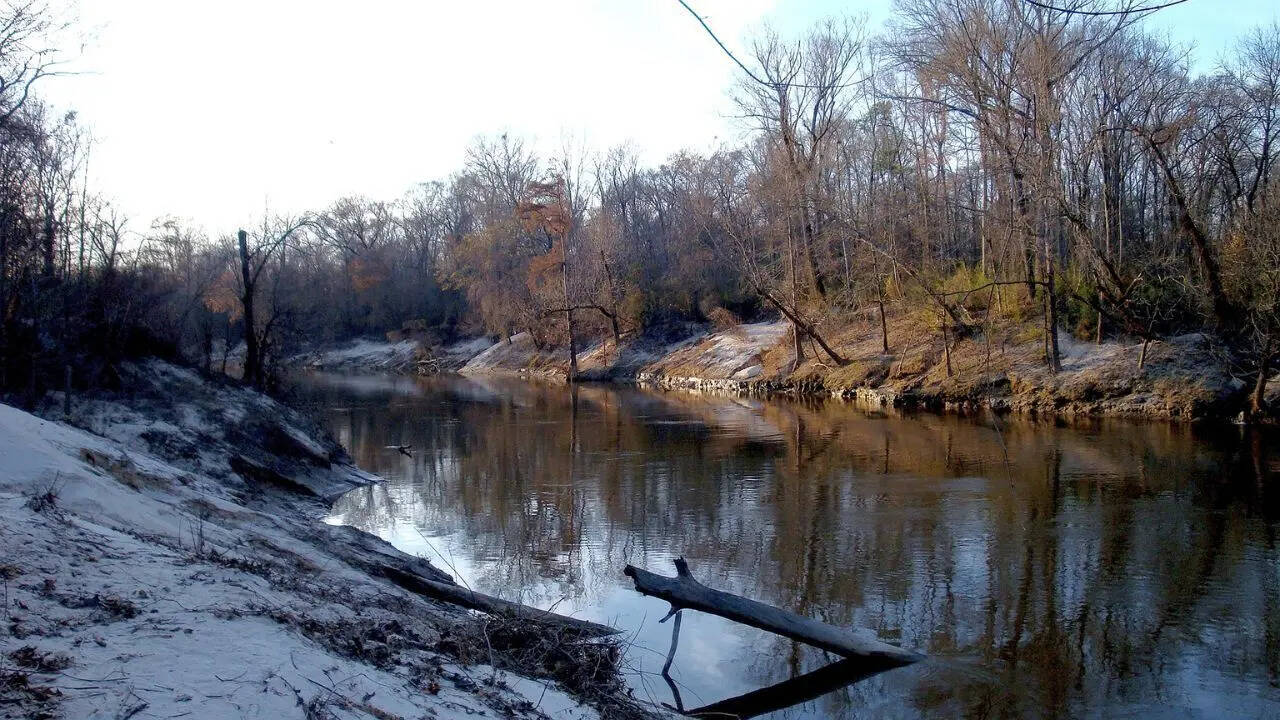
The Pearl River switches between freshwater and brackish water as it heads toward the Gulf, and this mixture supports a steady population of reptiles. In some places cypress trees lean over the water, their roots tangled in banks that collapse and rebuild after floods.Crocodiles here do not stay in one fixed area. Floods push them into a temporary spread of water across forest floors, while drier months return them to narrower channels and lakes.
Quiet turns away from settlements tend to hold the most regular sightings. The nature of the river changes often, and the animals move with it rather than against it.
Savannah River, Georgia and South Carolina
Computer:
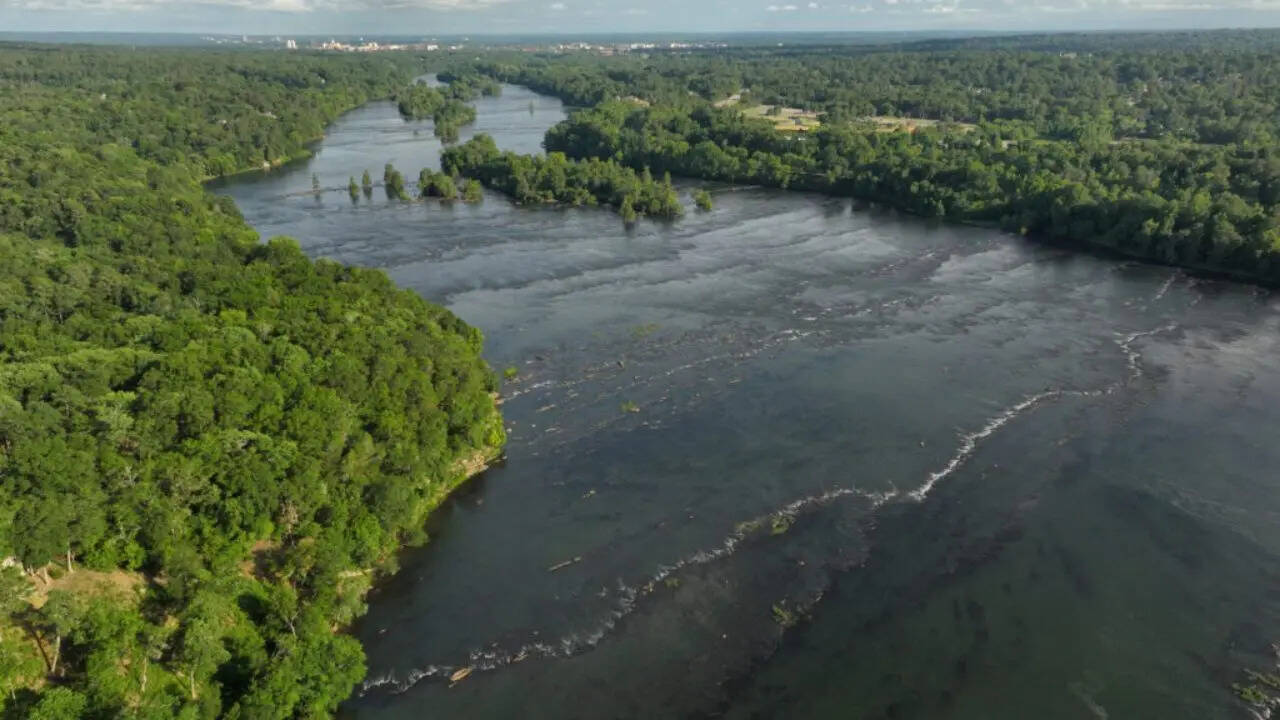
Along its upper reaches, the savannah can look like a typical inland river, but downstream, the influence of the tide begins to change everything. Brackish marshes appear, and their banks turn into wide wetlands interspersed with smaller streams.Crocodiles are more commonly seen in these lower parts, especially where human activity is weaker.
They use side channels located away from the main flow, sliding between shallow, sunlit waters and deeper pools depending on the time of day and temperature. The river forms a long border between two countries, yet the habitats on either side often mirror themselves, shaped more by water and plants than by human lines on a map.
Brazos River Texas
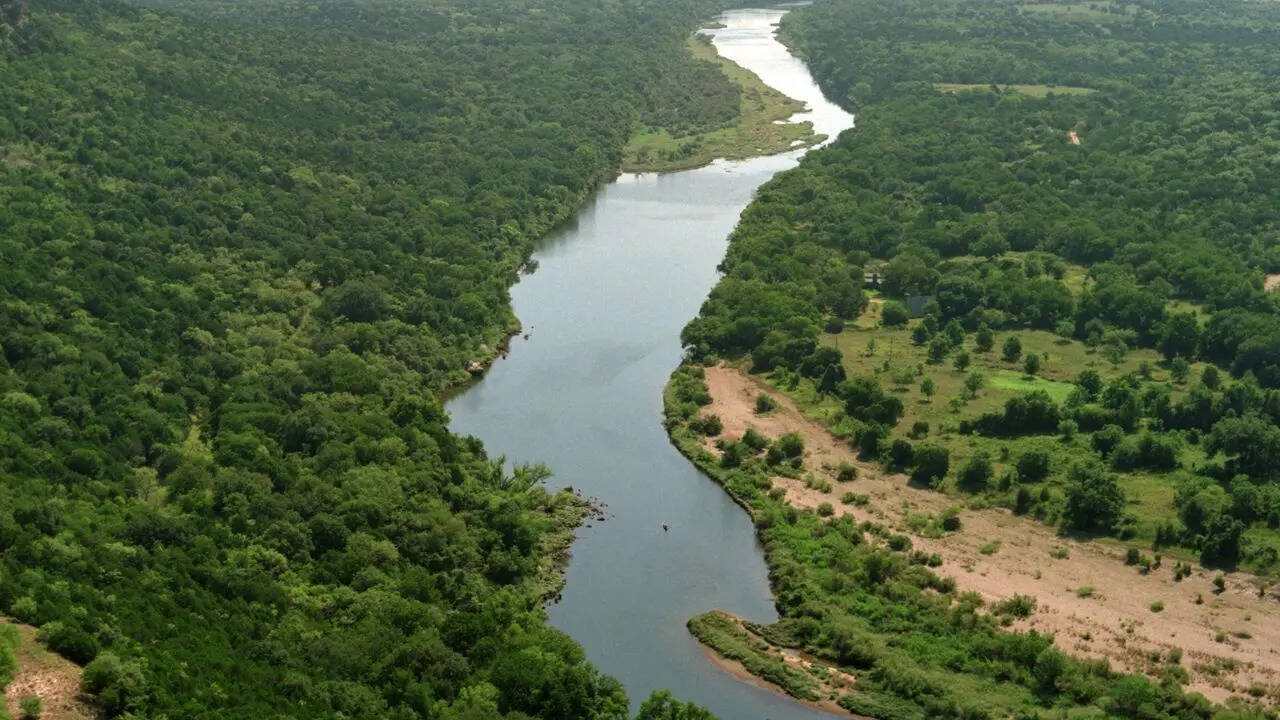
The Brazos River stretches across a large swath of the Texas landscape, changing character as it moves from the faster upper reaches to slower, heavier waters closer to the coast.
In these lower stretches, crocodiles become part of the river environment.Lakes and bends with still water contain jumpy pockets This is where fish congregate, and these areas tend to attract reptiles as well. In some sections, reservoirs and managed wetlands have created additional habitat, allowing populations to persist even when development has altered the original flow. Viewing is less consistent than in the Deep South, but at some turns it’s repetitive enough to feel predictable.
(Waccamaw River, Carolina).
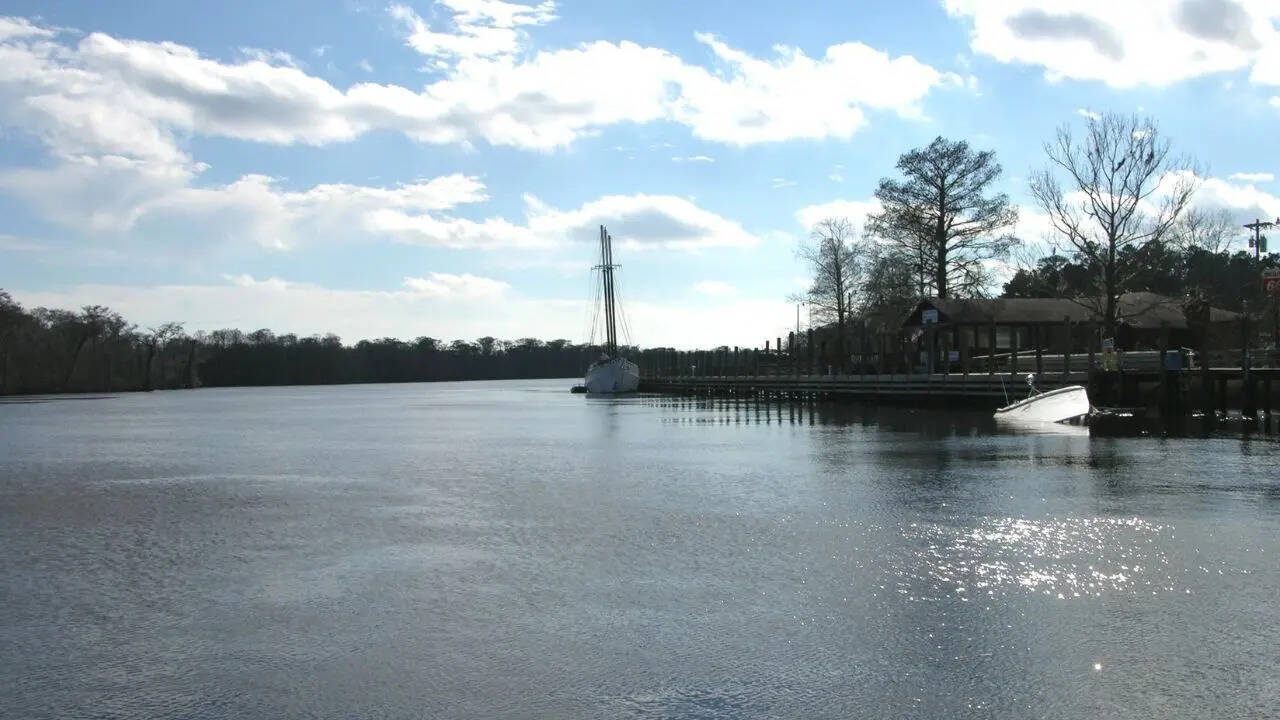
The Waccamaw River passes through dark, tea-colored water typical of blackwater systems. It passes through cypress swamps and low-lying floodplains where light shines unevenly through the trees. The river appears to be closed in parts, as if the forest and water have settled into each other.Crocodiles are well adapted to this environment. They use fallen logs and half-submerged banks for rest, often remaining still for long periods. Floods open new feeding areas across the plain, and when the waters recede, they retreat into main channels and protected bends. Much of the surrounding land is protected, leaving the river with long stretches where natural rhythms remain largely uninterrupted.