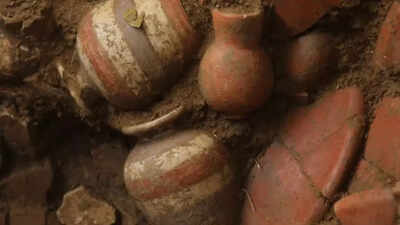
The archeology of Panama continues to amaze. Deep in the Nata region, researchers have discovered a tomb that had been hidden for more than a thousand years. It is more than 1,000 years old and contains human remains, gold jewelry and intricately decorated pottery.
Experts say the discoveries may rewrite what we know about social structures and rituals in pre-Hispanic Mesoamerica. The tomb is part of the El Caño site that has been under excavation for twenty years. These burial places were reportedly reserved for high-ranking individuals.
The gold-filled tomb reveals a high-profile burial from 800 to 1000 AD
The tomb is said to date back to between 800 and 1000 AD. Inside, skeletal remains were surrounded by gold bras, bracelets and earrings.
Some jewelry features bats and crocodiles. These animals had strong symbolic meanings for communities in the region. It seemed that the person wearing gold had the highest rank among the group. Ceramics decorated with traditional decorations were also placed next to the body.
Experts point out that the objects were not just decorations. They may reflect beliefs about life after death or ongoing social status.
The site of El Caño reveals centuries of high-status tombs and gold craftsmanship
El Caño is located about 200 kilometers southwest of Panama City. Archaeologists have been digging there for about 20 years.
So far, nine similar graves have been found. The work continues, and each season brings new discoveries. Researchers say the graves give clues about social hierarchy, trade and rituals in pre-Hispanic societies. It appears that gold was highly valuable. Repeated designs of jewelry across tombs indicate shared beliefs and cultural connections.Making gold at that time required skill and the right materials. It seems that only some people have access to it.
The tomb had breastplates, bracelets and earrings, indicating literalism and symbolic meaning. The bat and alligator designs match patterns found elsewhere nearby. This may refer to shared mythology or religious ideas. Experts say these items may have been used to show rank, whether in life or after death.
Burials indicate social status, and rituals continue after death
Precious items placed with corpses indicate what people believe will be necessary in the afterlife. Experts say El Caño gives a rare glimpse into pre-Hispanic Mesoamerican culture before the arrival of Europeans in 1492. The exact age of the tomb and the material of gold are being verified. It may take months before detailed results appear in journals.