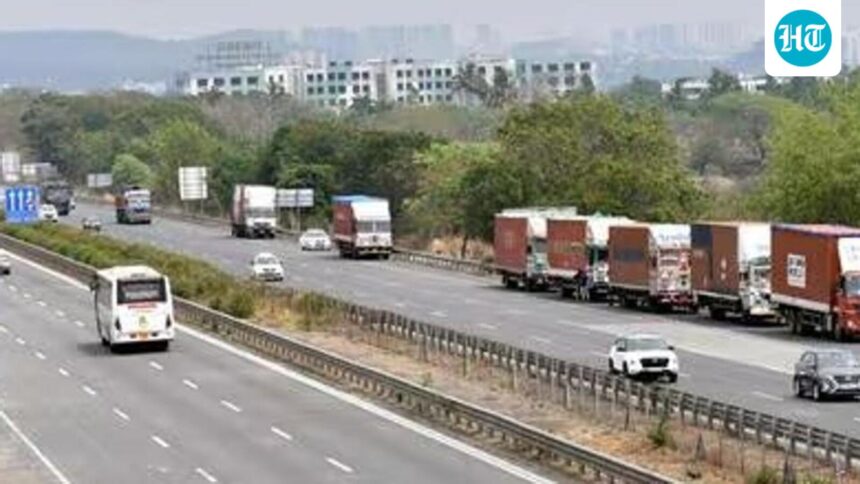
The Union Cabinet on Saturday approved extension of the third phase of Pradhan Mantri Gram Sadak Yojana (PMGSY) from March 2025 to March 2028, with a revised outlay of Rs. $83,977 crore, up from the original $80,250 crores.

The extension covers roads and bridges in plain areas and roads in mountainous areas. Bridges in mountainous areas get an additional boost until March 2029.
The Council of Ministers also agreed to approve the construction of an estimated 161 long-span bridges $961 crore was awaiting approval but falls on the already approved road alignment. According to senior officials of the Ministry of Rural Development, “works that were approved before March 31, 2025 but not yet put out for tender will now be put forward for award, ensuring that projects already under implementation do not lapse.”
Launched in 2019, PMGSY-III focuses on developing 1,25,000 km of roads and key rural links connecting households to Grameen agricultural markets, higher secondary schools and hospitals.
The previous phases focused on building new roads for unconnected villages, while the third phase focused on upgrading existing roads.
As of December 2025, 1,22,393 km have been sanctioned, of which 1,01,623 km (83%) have been built. The three-year extension gives states enough time to complete the remaining 17%.
Read also:Himachal has received an extension to complete pending works under PMGSY – I in Dodra Kwar
PMGSY was launched on December 25, 2000, under former Prime Minister Atal Bihari Vajpayee, with the aim of providing all-weather road connectivity to unconnected rural dwellings across India.
Across all phases since its inception, as of December 2025, the scheme has allocated 8,25,114 km of rural roads, of which 7,87,520 km (95%) have been completed. As of September 2025, a total of 9,891 bridges have been built.
According to the scheme’s performance report, the first phase, launched in 2000, targeted dwellings with a population of more than 500 in the plain areas and more than 250 in the mountainous and northeastern states. Of the 1,57,178 sanctioned dwellings, 1,56,711 have been linked, with 467 remaining as of early 2025.
The second phase, launched in 2013, focused on upgrading 50,000 kilometers of existing rural roads to improve overall network efficiency.
The third phase was launched in 2019 and improved the main roads leading to markets, schools and hospitals.
The fourth phase, approved in September 2024, proposed the construction of 62,500 km of new all-weather roads to connect 25,000 still disconnected dwellings at a cost of $70,125 crore, and is targeted to be completed by 2028-29.
Read also: Building on the gains of the rural roads scheme
For the period 2025-26, the government has allocated $19,000 crore for the scheme in the Union Budget. Progress at all stages is tracked through the Online Management, Monitoring and Accounting System (OMMAS), which allows real-time visualization of physical and financial progress at the project level.
Quality inspection is conducted at three levels, including field-level inspections by implementing agencies, independent evaluations by government quality inspectors, and spot audits by national quality inspectors.