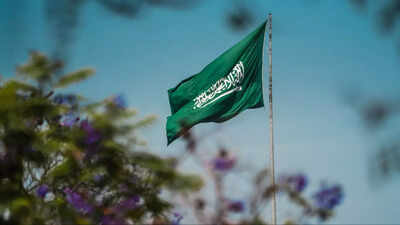
Saudi Arabia summons Iran’s ambassador over regional attacks, leading to escalating tensions between Iran, the United States, and Israel
Saudi Arabia has officially summoned Iran’s ambassador, Ali Reza Enayati, to Riyadh over a series of Iranian attacks on its territory and neighboring Gulf states, marking a major escalation in diplomatic tensions linked to the ongoing US-Israeli war on Iran and its rippling effects across the region.
The Saudi Ministry of Foreign Affairs condemned the attacks, describing them as a blatant violation of national sovereignty, and warned that it would take all necessary measures to defend its security and territorial integrity.In a rare and strong diplomatic move, Deputy Foreign Minister Walid Al-Khuraiji conveyed Riyadh’s strong rejection of Tehran’s actions, which Saudi Arabia says have targeted its eastern regions and many of its Gulf neighbors.
The recall reflects deep concerns among Gulf Cooperation Council countries about Iranian retaliatory strikes following an intensified military campaign by the United States and Israel inside Iran.The Ministry of Foreign Affairs said, in a statement, that Saudi Arabia “expresses its strong condemnation of the blatant and cowardly Iranian attacks that targeted the Riyadh and Eastern Province regions, and which were repelled.”
In light of this unjustified aggression, the Kingdom affirms that it will take all necessary measures to defend its security and protect its lands, citizens and residents, including the option of responding to the aggression.
“
What prompted Saudi Arabia to summon
The diplomatic crisis erupted after Iran responded with drone and missile strikes across the Gulf region following US and Israeli military action deep into Iranian territory, including attacks that reportedly killed top Iranian leaders and disabled major cities and military installations.
Since then, Iranian retaliatory operations have extended beyond Israel and US bases to include Gulf Arab states, prompting heightened security alerts and defensive responses in Bahrain, Kuwait, the United Arab Emirates and now Saudi Arabia.
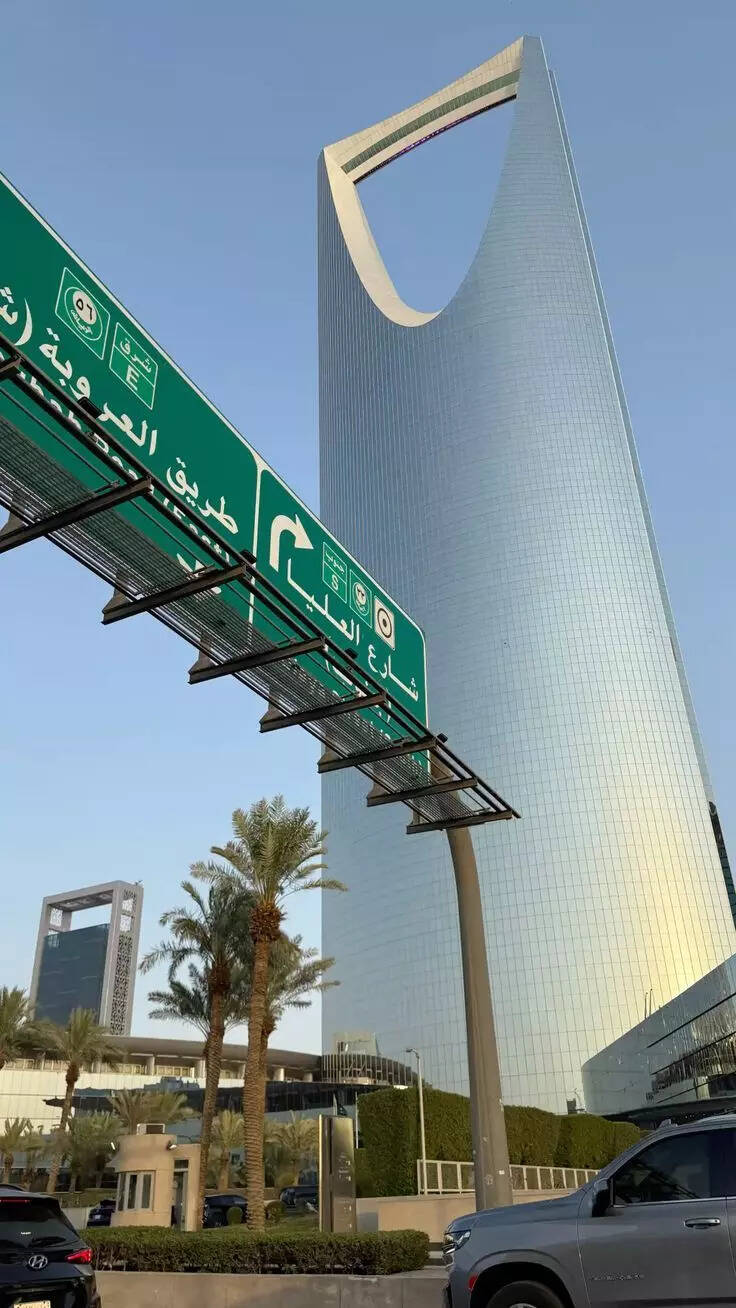
Riyadh red flag: Saudi Arabia confronts Iran over ‘unprovoked’ strikes on US bases in Gulf amid wider war with US and Israel
Saudi Arabia’s announcement affirmed that it “categorically rejects any violation of state sovereignty that would undermine the security and stability of the region,” and affirmed its right to defend its land, citizens, and residents.
Riyadh also reiterated its solidarity with other Gulf states, many of which similarly protested Iranian strikes on their capitals or military assets.
Gulf unity and diplomatic ripples
Saudi Arabia’s move to recall Tehran’s envoy is part of a broader regional trend. Several Gulf states, including Kuwait and Qatar, have also called on Iranian diplomats to lodge formal protests over what they see as a violation of their sovereign territory. These diplomatic actions underscore a rare moment of coordination among Gulf states in response to perceived Iranian aggression and growing insecurity linked to the broader confrontation between Iran, the United States, and Israel.In parallel, Gulf Cooperation Council (GCC) foreign ministers are reportedly preparing to hold an emergency meeting amid the worsening US-Iran conflict, highlighting the urgency and urgency of collective diplomacy in the face of shared strategic threats.
Broader context: The ripple effects of the war between Iran, the United States, and Israel
The recall comes against the backdrop of a rapidly escalating conflict that erupted after coordinated US and Israeli strikes on Iran, including on key military and leadership targets, to which Tehran responded with a wave of missile and drone attacks in the Arabian Peninsula.
These exchanges have caused civilian casualties, flight disruptions, emergency alerts, and the shutdown of critical infrastructure across the Gulf, as countries rush to protect their populations and assets.

Iran attacks on US bases in the Gulf: Will summoning Saudi Arabia ignite a broader regional conflict?
The Saudi diplomatic position indicates its frustration and alarm at the spread of hostilities beyond the initial battlefield between the United States, Israel and Iran and growing fears of a region-wide war that could engulf all Gulf states.
Saudi Arabia summoned Iran’s ambassador to Riyadh after what it described as Iranian attacks targeting its territory and its Gulf neighbors. The move came amid Iranian military retaliation following joint US-Israeli strikes inside Iran.Other Gulf countries, such as Kuwait and Qatar, took similar diplomatic measures. The Kingdom of Saudi Arabia reiterated its rejection of violations of state sovereignty and its readiness to defend its security. The crisis highlights the depth of regional instability and the increasing coordination between Gulf states in response to the threats.