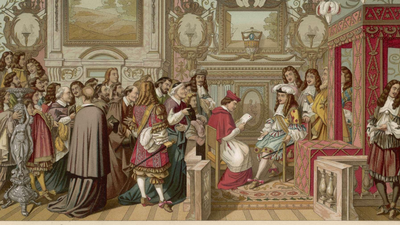
Court life in seventeenth-century France under royal authority.
Imagine a world where the most powerful people in the country are quietly terrified of their own dinner plates. Where a wealthy noble dies suddenly and no one believes it was of natural causes.
As the woman selling perfume on the corner might also be selling something more sinister to the lady of the palace next door. This was Paris in the late 1670s, resplendent and dangerous and sitting atop a shadow world that would eventually shock an entire kingdom and reach the bedroom door of the Sun King himself.
The beginning of the poison scare in France
It started, as many major scandals do, with someone who simply couldn’t stay silent.In 1679, a woman named Marie Bosse made a disastrous mistake when she bragged at a dinner party about how reliable her poisons were in making people widows.
The news reached Nicolas de la Renie, the sharp and uncompromising police chief of Paris, who had already been suspicious of several unexplained aristocratic deaths for many years. He had Boss arrested, and as the investigators began pulling on the thread she had given them, the entire fabric of the secret underworld unraveled in their hands.And in the middle of it all there was an extraordinary woman: Catherine Deshaies Monvoisin, known simply as La Voisin.
The woman who served the darkest desires of the nobility
La Voisin was a midwife and fortune teller who operated out of a house in Villeneuve sur Gravois, and her client list was an index of French aristocracy. But she was selling much more than just towers. Her network, which included rogue priests, clandestine pharmacies, and self-proclaimed alchemists, provided love potions, aphrodisiacs, and poisons carefully disguised as cosmetics. For the truly desperate, there were black masses erected on the bodies of young women, providing supernatural insurance on the client’s romantic prospects.
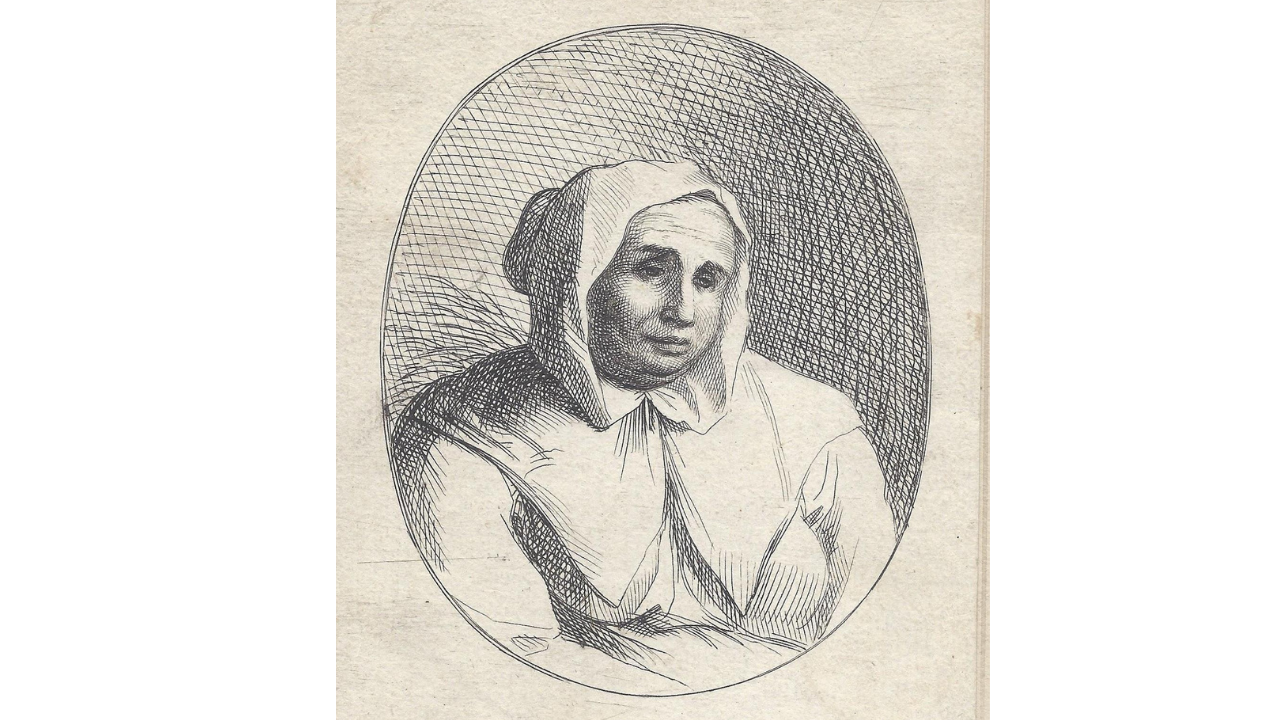
Catherine Deshaies Monvoisin, the central figure in the poison case.
What makes Lavoisin’s story so compelling is that she was not just a criminal. She was, in a dark and twisted sense, a businesswoman. She identified a gap in the market, the desperate and unacknowledged needs of women trapped in loveless marriages, impotent inheritances, and impossible social situations, and quietly built a thriving business to serve them. As historian Anne Somerset has noted, its operation was less a conspiracy than a service industry that grew to meet needs that the official world refused to acknowledge.
When the panic began to feed itself
Louis These numbers alone tell you something important: Panic has long outpaced actual crime.This is where the story becomes something darker and more global.
Under torture, the defendants had every incentive to name as many people as possible, to spread suspicion so widely that trying everyone cleanly became impossible. Produced name confessions. Names of proposed plots. The conspiracies demanded more arrests. The investigation had become a machine that created its own evidence, and no one knew how to stop it.
Poisoning has always been a crime committed by women
There is a phrase circulated through French publications and court documents during this period that tells you all about the concerns of the era: powder of succession, powder of inheritance.
In three words, murder, sex, and economic despair collapsed into one compelling idea.Women were structurally suspect in this investigation even before it began. In a legal system that gave them almost no economic agency, a wife who inherited upon her husband’s death automatically became a person of interest. Historian Lynn Wood Mollenauer said the prosecution disproportionately targeted women precisely because poisoning had been classified as a women’s crime long before a single person was arrested.
The panic did not create this bias, it simply amplified the bias that already existed.
The moment she arrived at Versailles
Then came the revelation that threatened to unravel everything.In 1680, testimonies began to point directly to Françoise Athénais de Rochechoire, Marquis de Montespan, the most powerful of Louis XIV’s mistresses. The allegations were extraordinary: black mobs, attempts to poison a romantic rival, and even plots against the king himself.
La Reynie meticulously documented every word. His personal papers, preserved today in the French National Library, show a man who took the accusations seriously and had no idea what to do with them.Louis XIV made the decision for him.
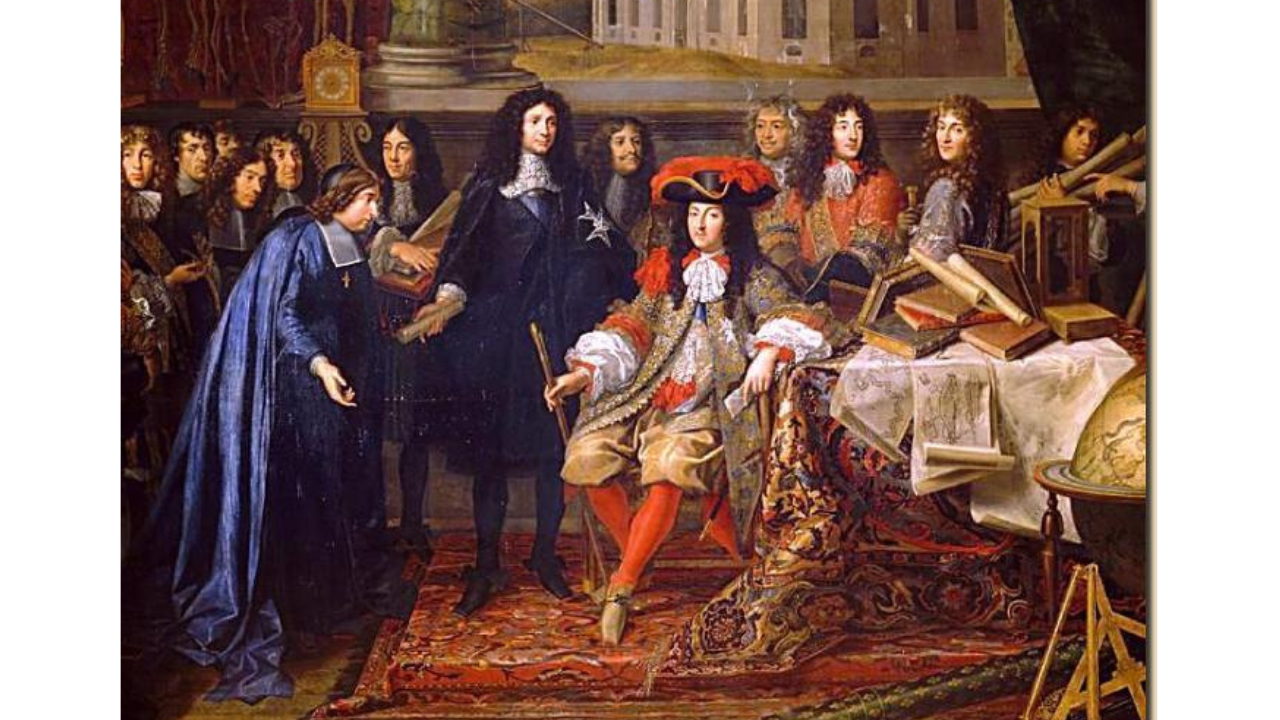
Louis XIV and his court at Versailles.
The king quietly closes the trapdoor
In 1682, Louis dissolved the Chambre Ardente. The most sensitive defendants, those who directly mentioned Montespan’s name, were imprisoned indefinitely under sealed letters, royal orders that kept them locked up without trial.
They cannot be publicly convicted or acquitted. The question of Montespan’s guilt was permanently closed, and could not be intentionally answered.The poison issue wasn’t really about the poison. It was about what happens when the hidden world of the desperate and powerful becomes briefly and dangerously visible, and what the king will do to make sure it disappears again before he says too much. The trapdoor opened, France looked down into the darkness, and Louis closed it quietly.Some doors, once closed by kings, remain closed forever.