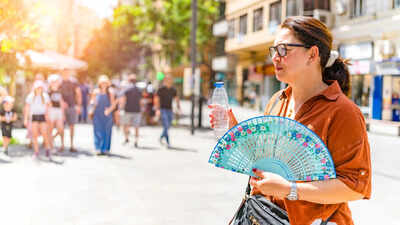
A “long and dangerous heat wave” is sweeping the central and eastern United States, just hours before the Fourth of July holiday. The temperature is expected to reach 105 degrees Fahrenheit (40.5 degrees Celsius), according to the National Weather Service.
The high temperatures are raising concerns as US President Donald Trump hosts a celebration marking the 250th anniversary of America’s birth and many World Cup matches are being held outdoors.In the United States, hundreds of people die from heat-related illness. Heatstroke can cause permanent disability or death if a person does not receive emergency treatment, according to the CDC. As extreme conditions are likely to continue over the festive weekend, it’s important to follow some safety guidelines, especially if you’ll be going outside due to the heat.
Assess temperature conditions before heading out

Before going out, check the warnings in your area, issued by the National Weather Service. Symptoms of heat illness can vary from person to person, Bharat Venkat, director of the Heat Laboratory at the University of California, Los Angeles, told the Associated Press. The risk of a heat wave depends on each person’s tolerance, how well they adapt to the heat, and the duration of exposure. Therefore, it is not possible to say the absolute temperature at which heat becomes dangerous.
Humidity also plays a role. If it is a very humid day and there is no wind, you may be more vulnerable, even though the air temperature is lower.
Pre-moisten and re-moisturize

If you’re spending time outside, it’s important to hydrate beforehand. “Drink a glass of water or a sports drink before going outdoors.” Momen of Memorial Hermann Health System told NPR. Neil Gandy, a doctor at Houston Methodist Hospital, stressed the importance of carrying plenty of water while going out.
It is suggested to sip water throughout the day. Don’t wait until you feel thirsty. “The moment you start feeling thirsty, you are likely 10 to 25 percent already dehydrated.” The doctor said.Water is the best liquid for hydration. Under normal circumstances, there is no need for electrolytes. You can save it for activities that require physical effort or if you sweat a lot. UNICEF suggests drinking water at regular intervals and carrying a water bottle when going out.
High-risk individuals should take extra caution
Although a heat wave can affect anyone, some people are more at risk than others. According to the NHS, people aged 65 or over, infants and young children under 5, and pregnant women are at increased risk. Those with long-term conditions such as heart problems, breathing problems, dementia, diabetes, kidney disease, Parkinson’s disease, mobility problems, mental health problems, or drug or alcohol addiction are also at high risk.
People who take multiple medications should also take extra caution. If you are already sick or dehydrated due to diarrhea and vomiting, you should also remain vigilant. Those who engage in manual labor should also be extremely careful.
Be aware of the symptoms

Heat-related illnesses can be serious and even life-threatening. Heatstroke is the most serious condition, according to the CDC. This occurs when the body cannot control temperature.
The body temperature can rise to 106 degrees Fahrenheit or higher within 10 to 15 minutes of heatstroke. Therefore, it is important to know the symptoms. Confusion, altered mental status, slurred speech, loss of consciousness, seizures, high body temperature, hot or dry skin, or profuse sweating are symptoms of heat stroke.
It can be fatal if treatment is delayed.Heat exhaustion is caused by the loss of a large amount of water and salt due to sweating.
People may experience headache, nausea, dizziness, weakness, thirst, heavy sweating, and high body temperature.
Wear protective clothing
When going out in the sun, it is important to protect your skin. Wear lightweight clothing that blocks the sun’s rays. Loose clothing is best during this hot summer weather. Avoid anything that is too tight, as it traps sweat. Feel free to wear a hat and apply sunscreen to protect your skin from dangerous UV rays. If possible, get a hand-held fan or cooling vest.Following these simple steps can help you stay safe and enjoy your festive weekend.