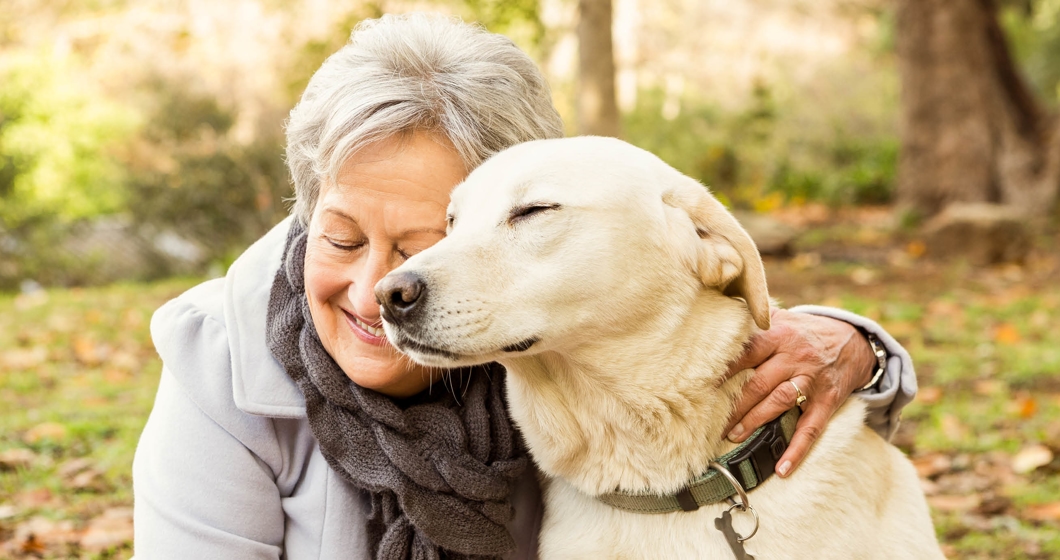
Seniors who welcome a wagging tail or gentle purr into the living room often discover an unexpected boost in confidence. Whether living independently or within memory care facilities, everyone finds that the constant presence of a pet turns ordinary hours into comforting rituals.
Researchers continue to link animal companionship with sharper thinking and calmer moods, however, the most convincing evidence still arrives at breakfast time when a furry friend waits by the chair. The following notes explain why this quiet partnership enhances mental strength later in life.
Spark pets for everyday purposes
A dog anticipating a morning walk or a cat anticipating an early meal immediately sets meaningful tasks for the day. Seniors who may drift during slow mornings are given clear goals — fill the bowl, tie the shoelaces, open the door. Completing these expected duties fosters a feeling of competence that easily spreads to other areas, such as budgeting for groceries or learning new hobbies.
Every successful business feeds a story of self-reliance. Over time, these individuals notice that simple, frequent victories form a powerful scaffold for solving larger-scale problems, making them feel more prepared to take on new challenges. This series of objects gives structure to the day.
Companionship reduces loneliness
Emotional isolation can weaken resilience, but pets eliminate loneliness in ways technology cannot. The soft nudge of a wet nose or the rhythmic buzz of a cat’s purr reminds seniors that affection does not require complex conversation, just shared presence. Stroke after stroke of warm fur releases oxytocin, a hormone associated with bonding and stress reduction.
This biochemical elevator acts like a daily antidote to rumination and anxiety. Moreover, pets inadvertently open doors to human connection: neighbors stop to admire a dog, grandchildren stay to feed the fish, and friendly chats flourish. Such social sparks add another layer of emotional armor. Shared laughter over the animals’ antics brightens the horizons.
Interacting with animals enhances cognitive exercise
Teaching a bird to imitate simple whistles or guiding a dog through basic commands is like a portable brain-training program. Seniors must remember sequences, read subtle cues, and fine-tune techniques, all of which stimulate executive function. Even casual observation—such as knowing when a rabbit needs fresh vegetables or observing a long-haired cat’s shedding cycle—intensifies attention to detail.
Cognitive therapists often encourage these interactions because they associate mental effort with immediate positive feedback from the animal. The result is a fun exercise in memory, planning, and problem solving, wrapped in companionship rather than worksheets. Animal challenges keep minds smart.
Routine care encourages physical activity
The mind and body share an intimate feedback loop, and caring for a pet nudges both into healthier rhythms. Seniors who accompany dogs around the block accrue cardiovascular benefits that translate to better moods and clearer thinking. Even small chores — such as fresh water dishes, cleaning cages, and brushing coats — require gentle movement that combats stiffness and lethargy.
Physical activity increases blood flow to the brain, providing oxygen and nutrients essential for cognitive health. Furthermore, the pet’s joyful expectations transform exercise from a chore into a shared adventure, reinforcing positive associations that stimulate constant movement. Each course or session confirms the full potential of care.
conclusion
A devoted pet cannot erase all the challenges of aging, yet the steady heartbeat of a senior’s side often reignites inner strength. Meaningful mornings, caring companionship, cognitive engagement, and gentle exercise weave together to strengthen mental resilience.
In countless families and nurturing settings, a swing mentor or coach calmly demonstrates that growth and happiness are still within everyone’s reach. For seniors looking for a friendly path to stronger minds, welcoming a pet may be the most personal and rewarding therapy. Strength grows.