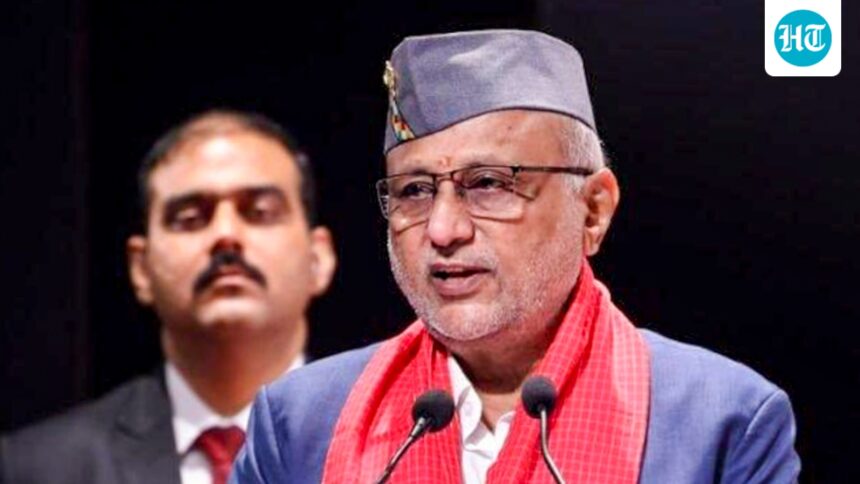
Vice President C P Radhakrishnan on Sunday raised fingers in the media over the emergence of satirical group ‘Cockroach Janta Party’ and claimed that youth will end up following the ‘cockroach’, in a veiled reference to the CJP, if positive activities and achievements are not adequately reported.

Speaking as the chief guest at the 140th anniversary celebrations of Malayalam daily Deepika in Kottayam, Kerala, Radhakrishnan said “constructive journalism” is essential to guide society and “enhance public confidence”. According to the Vice President, positive developments should receive greater media attention so that young people are exposed to “correct information and role models.”
“Positive activities must be well reported. Only then will the youth get the right information. Otherwise, they will lose interest and end up following the ‘cockroach,'” he said.
As India moves “forward with confidence and ambition under the leadership of Prime Minister Narendra Modi”, the role of responsible media organizations becomes more important, Radhakrishnan said.
He said he was not against freedom of expression but questioned the tendency to give disproportionate attention to issues that may not stand the test of time. Seemingly referring to the furore created by the Cockcrouch Janata Party, especially among the youth, he wondered whether anything really deserved so much attention in one day.
“If something is really good, people will still realize its value after a week, 10 days or even a month. Nobody knows about them. Suddenly, they are everywhere. This cannot last,” Radhakrishnan added, stressing that noble ideas and positive messages must reach every nook and corner of society and contribute to nation building.
What is Janta Cockroach Party?
The CJP’s satirical platform recently came to light following a controversy over remarks attributed to Chief Justice of India Surya Kant, who referred to a section of youth as “cockroaches” and “parasites” during a court hearing.
The CJI later clarified that his remarks directed at individuals entering the legal profession through “fake and bogus degrees” had been distorted. But this controversy led to the birth of the CJP.
Founded by political communications strategist Abhijit Debaki, it began as an online satirical project targeting the CJI’s pronouncements and “lazy cockroaches and the unemployed”. But it quickly evolved into a broader conversation about digital dissent and youth frustration, with the platform using memes and sharp political commentary to address issues such as unemployment, exam paper leaks, and education.