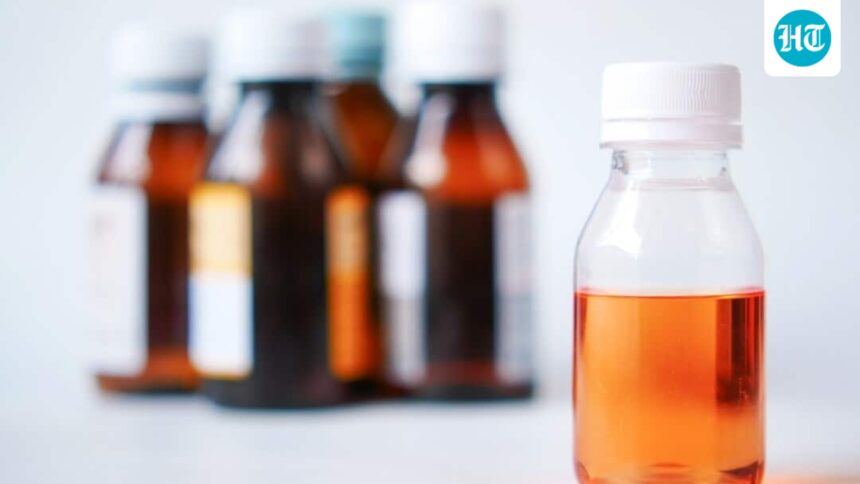
Amid concerns over drug quality and patient safety, the Union Health Ministry has amended rules that had earlier given exemptions to cough medicines from manufacturing, distribution and retail licensing regulations.

The rule states that cough syrup will no longer be available in establishments that do not process a retail drug license.
The move aims to subject syrup-based formulations to stricter regulatory oversight, and comes amid increased scrutiny of oral liquid medicines after reports of child deaths linked to contamination in several countries.
The amendment was notified through the Drugs (Fifth Amendment) Rules, 2026, and came into force immediately upon its publication in the Official Gazette on 15 June.
Read also: The Center imposes only pharmacies’ sales of cough syrup as part of a safety campaign
What has changed?
As per the amendment, the word ‘syrup’ has been deleted from Clause 7 in the ‘Class of Drugs’ column in Schedule K of the Drugs Rules, 1945.
Schedule K specifies the categories of medicines that are exempt from certain provisions relating to the manufacture, sale and distribution of medicines under the Drugs and Cosmetics Act and Rules, subject to prescribed conditions.
Before the amendment, cough syrup was among the products that could be sold under relaxed regulations in villages with fewer than 1,000 people. The exemption allowed vendors with restricted retail licenses, who often operate in small towns and villages without pharmacies, to stock and sell these products.
Consumers can often purchase cough syrup from non-pharmaceutical retail outlets without going through standard pharmacy channels.
Under the latest amendment, cough syrup and other syrup-based formulations have been removed from the list of exemptions.
Therefore, their sale and dispensing is required only through duly licensed pharmacies in accordance with the provisions of the Drugs and Cosmetics Law.
Or simply put, only pharmacies can now sell cough syrup. Pills, tablets, and lozenges continue to remain covered by Schedule K.
Why now?
The Ministry of Health said the amendment was made to strengthen regulatory oversight of syrup formulations and align the exemption framework with contemporary public health and safety requirements.
“This measure is expected to promote responsible distribution and sale of cough syrup while ensuring greater compliance with regulatory standards across the country,” the ministry said.
The move follows a draft notification issued in December last year seeking objections and suggestions from stakeholders. The ministry said comments from the public were taken into consideration before finalizing the amendment after consulting with the Drugs Technical Advisory Board (DTAB), the country’s highest legal body on technical matters related to drugs.
According to official sources, the amendment is expected to enhance traceability and regulatory oversight of syrup-based medicines by ensuring that manufacturers and sellers comply with more stringent licensing and quality control requirements.
Pollution-related deaths
The decision comes against the backdrop of increased regulatory scrutiny of cough syrups and other oral liquid formulations in recent years following reports of child deaths linked to contamination in several countries.
Since 2022, cough medicines manufactured in India have been linked to the deaths of more than 140 children in Africa and Central Asia, damaging the country’s reputation as the “pharmacy of the world.”
In one such case, Coldrif syrup, made by Srisan Pharmaceuticals, was linked to the deaths of 24 children last year.
Since then, India has been under pressure to tighten oversight of the pharmaceutical industry, which is dominated by small manufacturers and is expected to reach $130 billion by 2030.
(With agency inputs)