The Indian government has reduced special surcharges on petrol and diesel, in a move apparently aimed at reducing losses for oil companies amid the conflict in the Middle East. Today, Thursday, the Ministry of Finance decided to reduce special customs duties on gasoline to $3 per liter of $13 earlier. Customs duties on diesel were also reduced to zero $10.

This notification comes amid supply disruptions due to the ongoing US-Iranian war. “…the Central Government, being satisfied that it is necessary in the public interest to do so…”, part of the order read.
The changes have been notified through amendments to the Central Excise Rules and Duty Structures, which will “come into effect with immediate effect,” according to the Gazette notification.
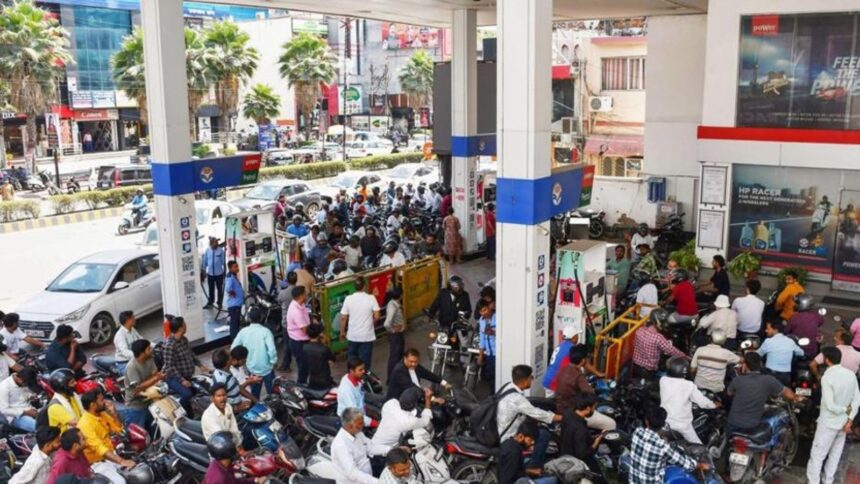
There is unlikely to be any immediate impact on pump prices.
Regarding Aviation Turbine Fuel (ATF), the order states: “Aviation turbine fuel Rs 50 per litre” as special excise surcharge, besides exemptions capping the effective rate at “Rs 29.5 per litre” in some cases.
“A bold decision”: The government explains the reason behind reducing customs duties
The tariff move comes amid the ongoing war in the oil-rich Gulf, sparked by US-Israeli strikes on Iran, which have pushed global crude oil prices above $100 and disrupted key supply routes such as the Strait of Hormuz – the currently choked waterway through which a fifth of the world’s oil and gas passes.
Speaking about the customs duty cut, Petroleum and Natural Gas Minister Hardeep Puri said on X that the Modi government has two options amid rising crude oil prices – either increase prices significantly for the citizens of Bharat as all other countries have done or bear the brunt on its finances so that the Indian citizen is isolated from international fluctuations.
“Global crude oil prices have risen over the past month from about $70 per barrel to about $122 per barrel. As a result, gasoline and diesel prices have risen for consumers around the world. Prices have risen by about 30% to 50% in Southeast Asian countries, 30% in North American countries, 20% in Europe, and 50% in African countries,” Hardeep Puri said.
“The Modi government had two options: either increase prices significantly for the citizens of Bharat as all other countries did, or bear the brunt on its finances so that the Indian citizen is insulated from international fluctuations,” he said.
Prime Minister Modi, “in line with his government’s commitment over the past four years since the start of the conflict in Russia and Ukraine, has decided to once again target its financial resources to protect the Indian citizen,” Puri said.
“The government has taken a huge hit on tax revenues to ensure huge losses to oil companies (around Rs 24 per liter for petrol and Rs 30 per liter for diesel) at this time of rising global prices. At the same time, export tax has been imposed as global prices of petrol and diesel are rising and any refinery exporting to foreign countries will have to pay export tax,” Puri said, thanking PM Modi and the Energy Minister. Finance Minister Nirmala Sitharaman praised the decision, which he described as “bold, visionary and timely”.
India, like other countries, faces rising import costs and inflation risks due to its dependence on imported energy, and such a move by the government – to reduce customs duties – aims to protect consumers and the broader economy from this shock by offsetting rising crude oil prices and preventing a sharp rise in retail fuel prices.