Global major BWH Hotels, which operates brands such as WorldHotels, Best Western Hotels & Resorts (BWHR) and SureStay Hotels, is accelerating its expansion in India, with a major focus on tier II and III cities, religious tourism circuits and highway development.

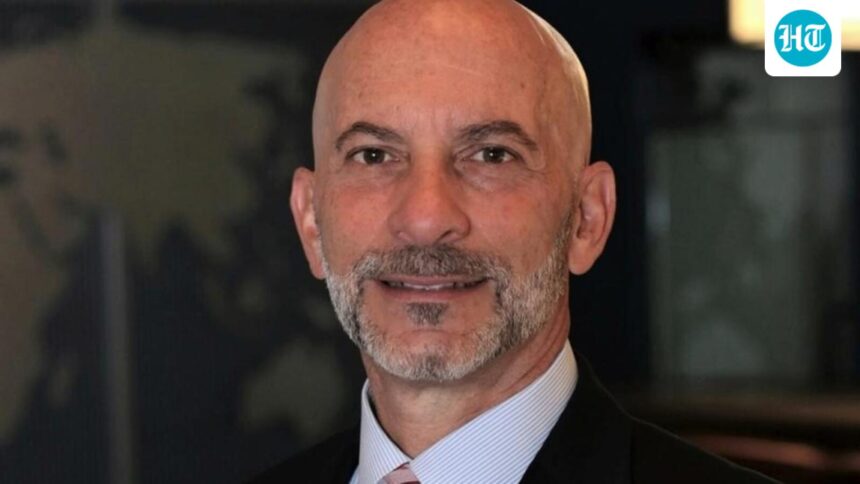
In an exclusive interview with HT during his visit to India to attend the HOPE 2026 Hospitality Conference in Goa, Ron Paul, Head of International Operations at BWH Hotels and President of WorldHotels, explained the company’s India strategy and global outlook. Edited excerpts.
How important is India in your global growth strategy?
India is at the top of our development list globally and hence we established our presence here a decade ago. This is our number one focus. Today, we have 36 operational hotels and 25 hotels under development in India. We are growing at a rate of 15-20 hotels per year and expect to have 160-170 hotels in India by 2030. We are targeting $Revenue of Rs 500 crore by 2030, supported by the addition of new hotels to our portfolio.
While major cities remain important, we are increasingly focusing on tier 2 and tier 3 markets. Expansion of highways under projects like Bharatmala and improved rail connectivity opens up huge opportunities in the hospitality sector. With new corridors like the Delhi-Mumbai Expressway coming online, more Indians are driving across the states. They need good accommodation along these routes, and we see strong potential there.
Our brand has historically grown by identifying strong potential in secondary and tertiary markets rather than focusing solely on major cities. We see Indians traveling for leisure, religious visits, weddings and short vacations, creating sustainable demand in emerging cities and regional destinations.
BWH Hotels in India is replicating the model it has used successfully in the US, expanding along highways and into prime leisure destinations. BWH follows a targeted and conservative growth strategy, entering only those markets where hotels are most likely to succeed and strengthening their brand rather than pursuing aggressive expansion.
Are you targeting any specific segments in India?
Religious tourism is a main focus area for us. It is growing significantly all over India. We are already operating in religious destinations like Vrindavan, Katra, Amritsar, Tirupati and will soon be opening hotels in Mathura and Ayodhya.
We are creating a strategy focused around religious circles because these destinations see consistent demand throughout the year. We want to ensure that our brands adequately meet the needs of pilgrims and leisure travelers visiting these cities.
Apart from traditional hotels, are you exploring new forms of hospitality like branded residences or luxury hotels in India?
definitely. As part of WorldHotels, we are expanding beyond traditional luxury hotels to branded residences, which offer upscale living with hotel-style services, and to luxury venues that combine outdoor experiences with luxury comfort. Traveler expectations are evolving – people want experiential and immersive stays rather than just a room. We see strong potential for both concepts in India, especially in emerging leisure destinations and resort markets.
How important are weddings and banquets for your business in India?
Food and beverages are very important in India – much more than in many other global markets. Indian hotels, including mid-sized hotels, often host weddings and large events. This combination is unique.
Many of our properties in India have large banquet space to meet this demand. Interestingly, more than 50% of the hotels in the US under our system are owned by hoteliers of Indian origin. So we understand this wedding and catering model very well and are leveraging that experience in India.
How do you ensure sustainability in your hotels?
Sustainability is a key priority. I oversee our global sustainability efforts. Two years ago, we mandated that 50% of our global portfolio be sustainably certified by the end of 2025 and 100% by the end of 2026. We are on track to achieve this goal.
In India, we work with agencies aligned with the World Sustainable Tourism Council framework, and our hotels here are on track to achieve green certification by the end of this year.
What role do influencers and digital platforms play today?
Marketing has almost completely shifted to digital. We have moved away from traditional TV and print advertising. Today, travel decisions, especially among Generation Z, are heavily influenced by social media.
We work with over 100 travel influencers globally and collaborate at local levels as well. Travelers are now looking for authentic local experiences. Our strategy is to connect with them digitally even before they arrive and help hotels deliver personalized experiences for them.
Earlier, travel decisions were made by parents. Today, younger consumers are driving these choices.
What is your vision for your three different brands?
WorldHotels currently has 160 luxury hotels globally and another 100 under construction, including in India. Our first WorldHotels hotel in India has already opened in Manesar-Gurugram in January with 116 rooms. We are also expanding into branded lodgings, camping and wellness concepts, which reflect evolving traveler expectations.
Best Western remains our largest growth engine globally, with more than 3,500 hotels. SureStay operates in the upper economy segment and continues to grow steadily. We are also seeing strong interest in the extended stay sector.
How resilient is hospitality amid global uncertainty?
Hospitality has always been flexible. There are always doubts, but the travel continues. We are confident that the industry will adapt and that we will continue to work closely with hotel owners and partners around the world.
Outside India, BWH Hotels is aggressively expanding in Vietnam, Saudi Arabia and South America, especially Brazil.