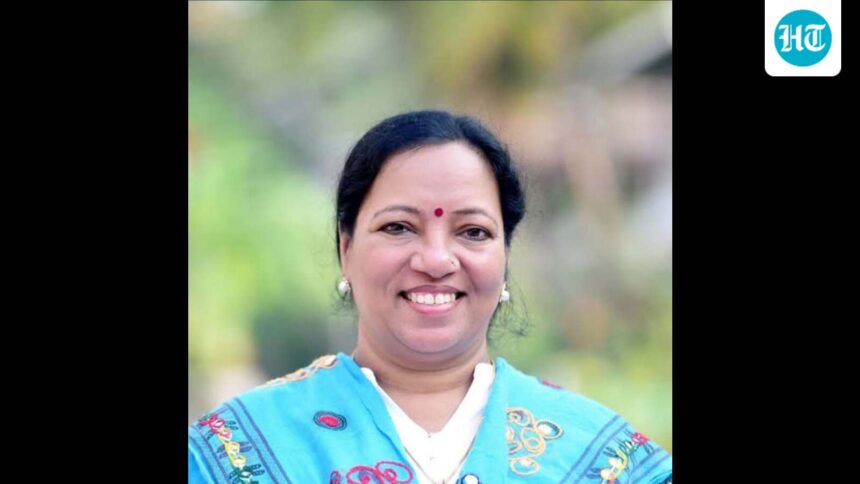
In its latest budget, the United Democratic Front (UDF) government announced a new tribal university in Wayanad, a special housing scheme for SC and ST communities, and special recruitment drives. HT spoke to KA Thulasi, the first MLA and Chief Minister responsible for the welfare of Backward Classes, Scheduled Castes and Scheduled Tribes, about these promises and more. Excerpts:

I have completed a month as Minister in charge of the welfare of Backward Classes/Scheduled Caste/Scheduled Tribe section. What lessons have you learned and challenges associated with the department?
This is a department that deals with delivery of public services in a time-bound manner to people at the grassroots level, especially the ordinary sections of society. On paper, we can see millions of rupees being spent on various schemes, but in practice, the question remains whether the most qualified people are getting the solutions to their problems. This is the challenge. We cannot solve all problems in one day. Over the past month, I have been holding discussions with officials and the public about the gaps in the system over the past 10 years and how we can fix them. I personally visit the offices associated with the department as well as the settlements of SC/ST communities. This way I can discover many issues that I may have overlooked in the officer’s report to me. During my visits, I saw many houses in poor condition and lacking proper roads leading to their homes. If someone gets sick, there is no way for an ambulance to get to their home. There are people who do not receive financial assistance for long-term health issues. There are specific plans, but the reality is that many people do not receive the benefits. There are definite holes in our mechanisms, and we will work to fix them. Only then can our plans reach the rightful beneficiaries.
By lapses in the system, do you mean inherent corruption?
No, for example, I visited the ST settlement and there was a woman sick with cancer. She is alive thanks to the help provided by neighbors and local residents. Now, our department has schemes under which financial assistance is provided to these people. She may not know about it, but there are mechanisms to expand the scheme to include her. Such mechanisms must work actively so that the woman and her only daughter can get help and live better.
Will the current financial crisis of the United Democratic Front government affect the financing of the ministry’s schemes?
Even if there is a financial crisis, we cannot sit idly by and deny assistance to people who need homes, financial aid for health issues, or assistance for students. It is our government policy that those who have not yet received benefits should receive priority for the aid to which they are entitled. We are working hard on this front.
The last budget talked about a tribal university in Wayanad, a special housing project for SC and ST communities, and special recruitment drives. What is the status of those ads?
They have just been announced. They are part of our statement. We will pay special attention to housing. In the last 10 years, the Department’s funds for SCs/Outcastes have been merged with the LIFE Mission scheme. As a result, I see that many deserving people from SC/ST communities are not getting priority. It is better for our administration to distribute the money directly to housing. Under the last government, an external agency identified housing beneficiaries in the panchayat. How could this agency decide such a thing? When the Grama Sabhas meet, the list of legitimate beneficiaries will come out. We need equitable development in all SC and ST settlements. By replacing the word “colony” with “unathi” for such settlements, it appears that nothing has changed on the ground.
Nearly 25% of dropouts in government and aided colleges in Kerala are from SC and ST communities, the RTI reply said. Will there be measures to reduce it?
There are already plans available to reduce the dropout rate among students. We’ll find out if these current schemes are getting results. I think the dropout rate has decreased compared to previous years.
The recent suicide of a Dalit student at a dental university due to caste-based harassment shows that such a problem still exists in our educational institutions. Does the government have a plan to reduce such cases in universities?
We are often called a progressive society, but such incidents raise a question mark. Change is always gradual, it cannot happen suddenly. It is important for people in senior leadership positions in universities to act in a humane and empathetic manner. It is good to put in place laws to reduce incidents of harassment, but there must be a change in people’s attitudes as well. If there was a law, there would certainly be a deterrent to making such mistakes.
The issue of land deprivation remains a pressing concern among tribes. What do you have in mind to find a solution?
We’re definitely looking at it. There are cases where tribals have land titles, but they still do not have access to these lands. And vice versa. We will look into it seriously.
Cases of high infant mortality among tribals are still being reported in places like Attappadi. Are there any specific health measures being planned?
We are considering providing mobile medical units in densely populated tribal settlements in places like Attappady, Nilambur and Edamallakudy.